
Basement insulation in Buckeye AZ - dry walls first, then a room that stays comfortable
Got a damp-smelling basement you'd like to turn into a room? We check for water first, then insulate the walls so it's ready to finish.
I look at every basement myself
The person who looks at your basement is me, and our installers do the work with me on site. So the one who planned the job is right there when the walls get insulated and can answer questions as they come up.
Running our own crew since 2023
I learned insulation on other crews before starting this business in 2023, and I grew up on a farm where you fixed what broke yourself. That's why I explain what I find, so you understand your own house when we're done.
Licensed, insured and guaranteed
We're licensed and insured. Satisfaction guaranteed on every job. If you'd like to talk your basement over first, call (602) 325-8993 or send us the form and tell me what you're seeing down there.
Basement insulation in Buckeye, done in order
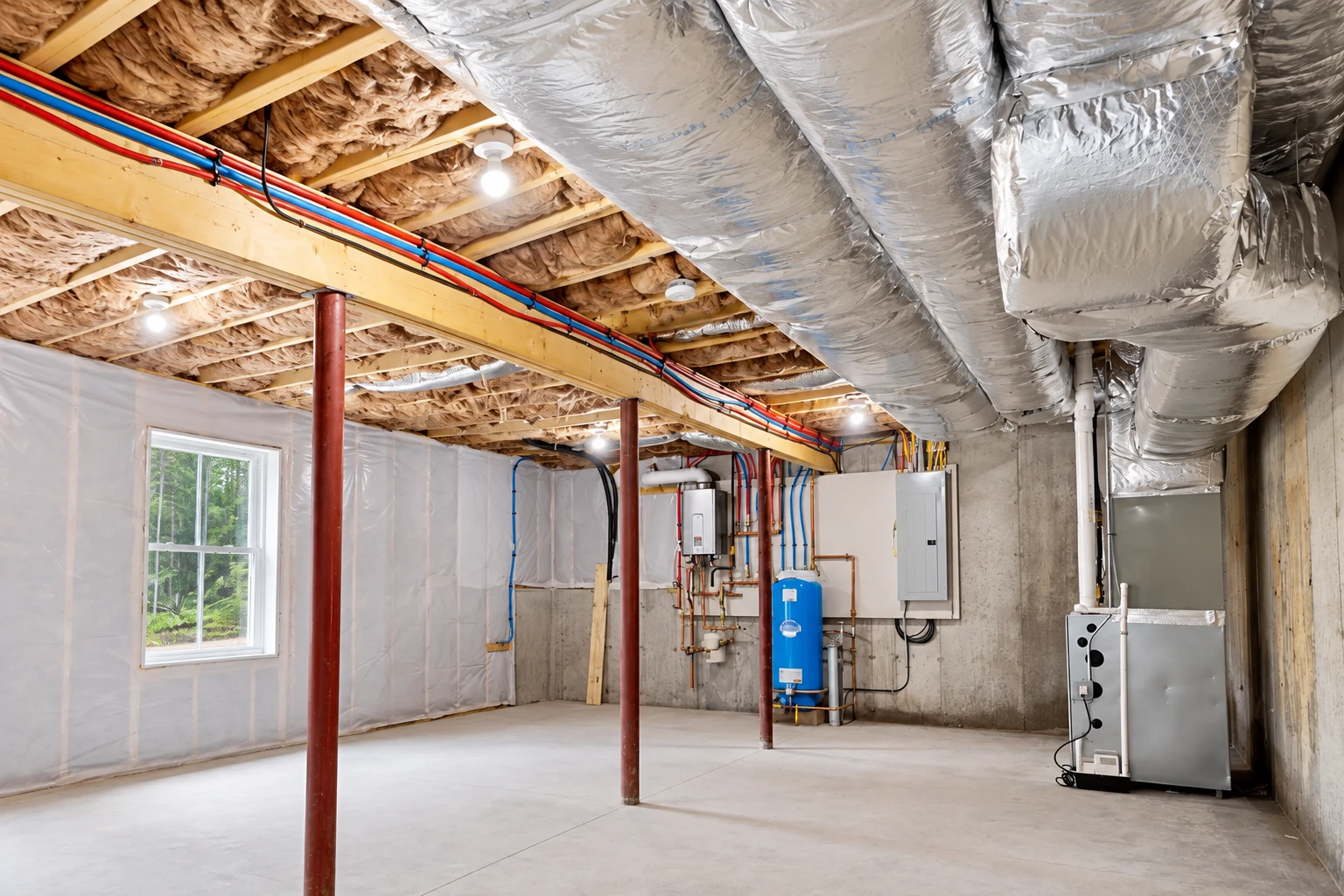
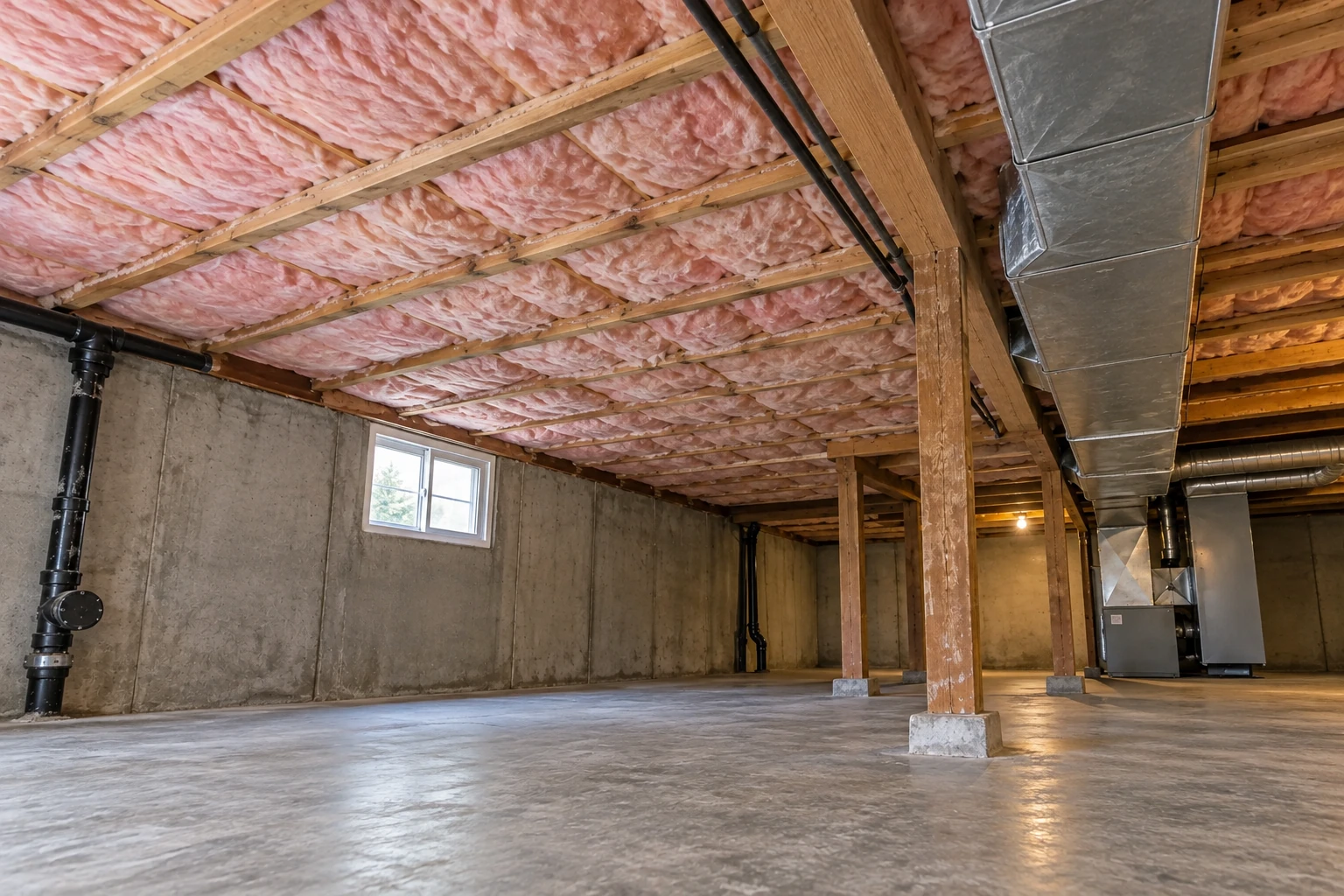
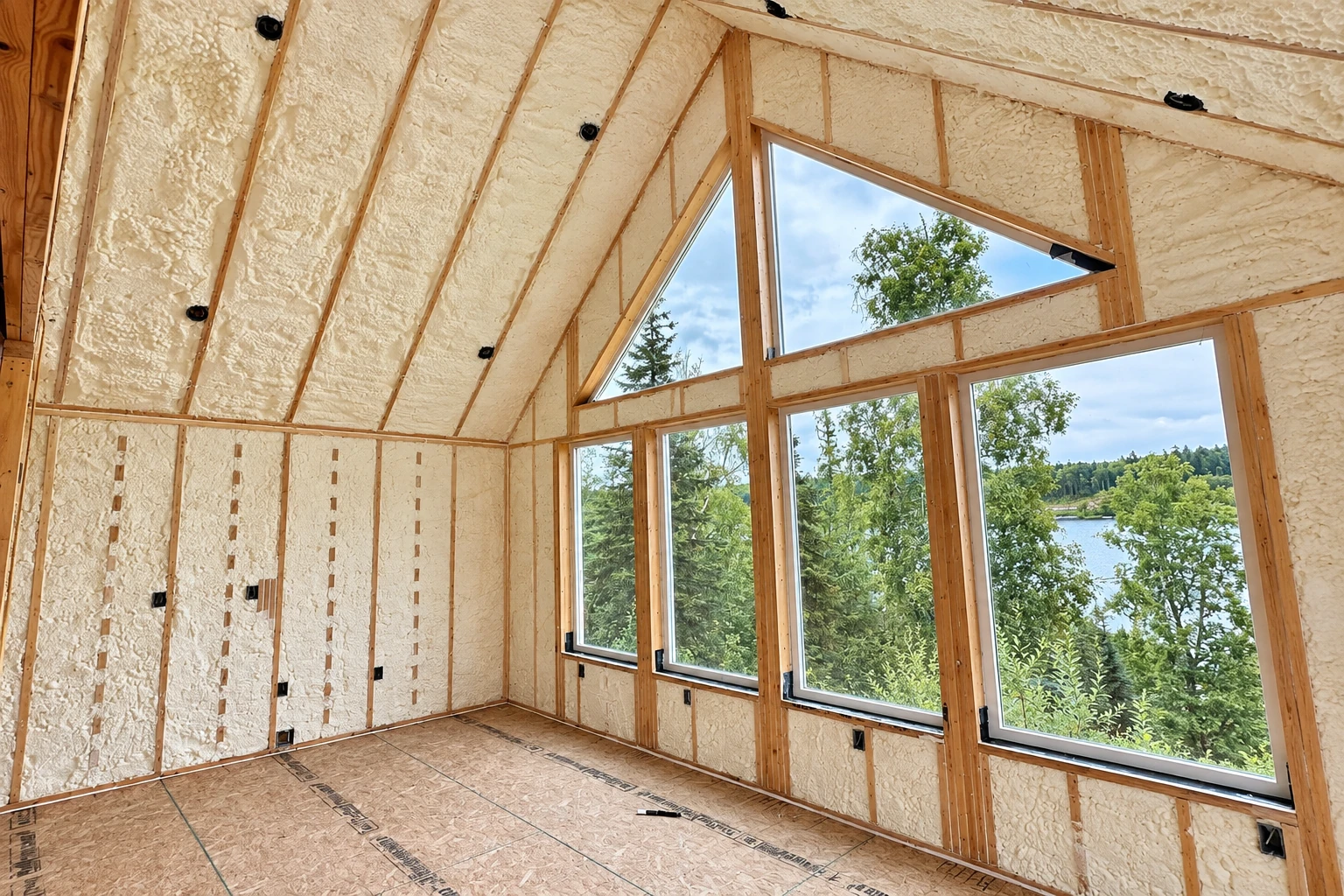
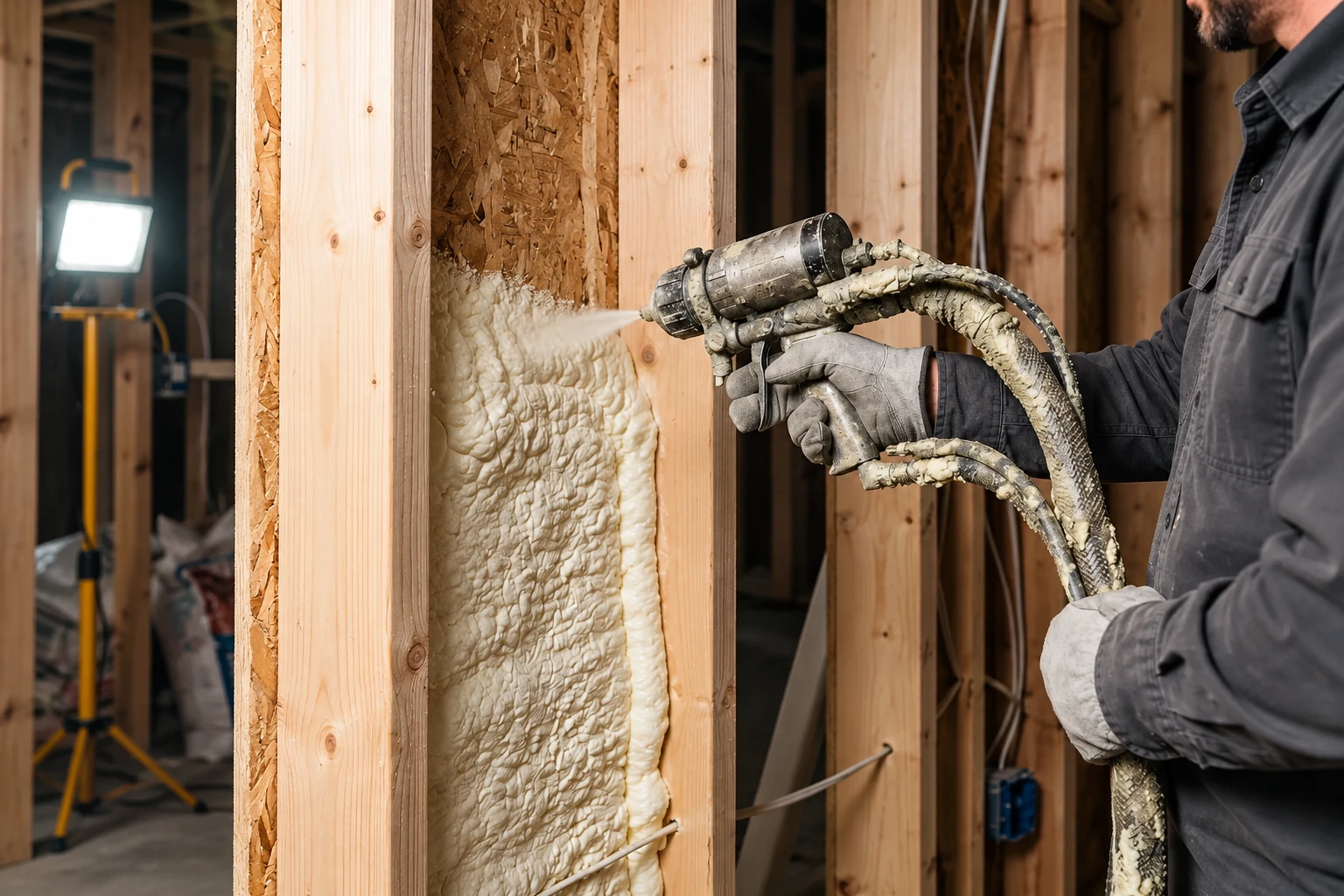
Basement insulation lines your basement walls with spray foam, foam board or fiberglass batts, usually before the room gets finished. At Complete Buckeye Insulation Services we do it in Buckeye, AZ and the cities around it, for homeowners getting ready to turn a basement into living space.
Chances are your basement is headed toward becoming a real room, like a den, an office or a place for the kids. When that's the plan, the insulation belongs on the walls rather than the ceiling, because the walls stand between the room and the ground while the ceiling only sits between you and the rest of the house. Settling that before anyone frames or hangs drywall saves tearing it back out later.
The price mostly comes down to how many square feet of wall you have, whether there's water or foundation work to handle first, and which material you pick, since foam costs more and needs a cover over it. The schedule turns on the same things, plus any permit the job needs. I look at all that on site, and you get a written estimate I go over with you line by line, so you see what each part costs.
How we handle basement insulation
Water and foundation come first
Water comes first in a basement, so before we talk about materials I look for damp spots, stains on the concrete and water collecting on the floor. I also check the foundation for cracks or movement, because insulating over a structural problem can hide it, and sometimes make it worse. It's like patching a barn wall without fixing the post behind it. Whatever I find there decides what we do next, and I'll show you the spots so you can see them for yourself.
Foam or batts, with the cover planned
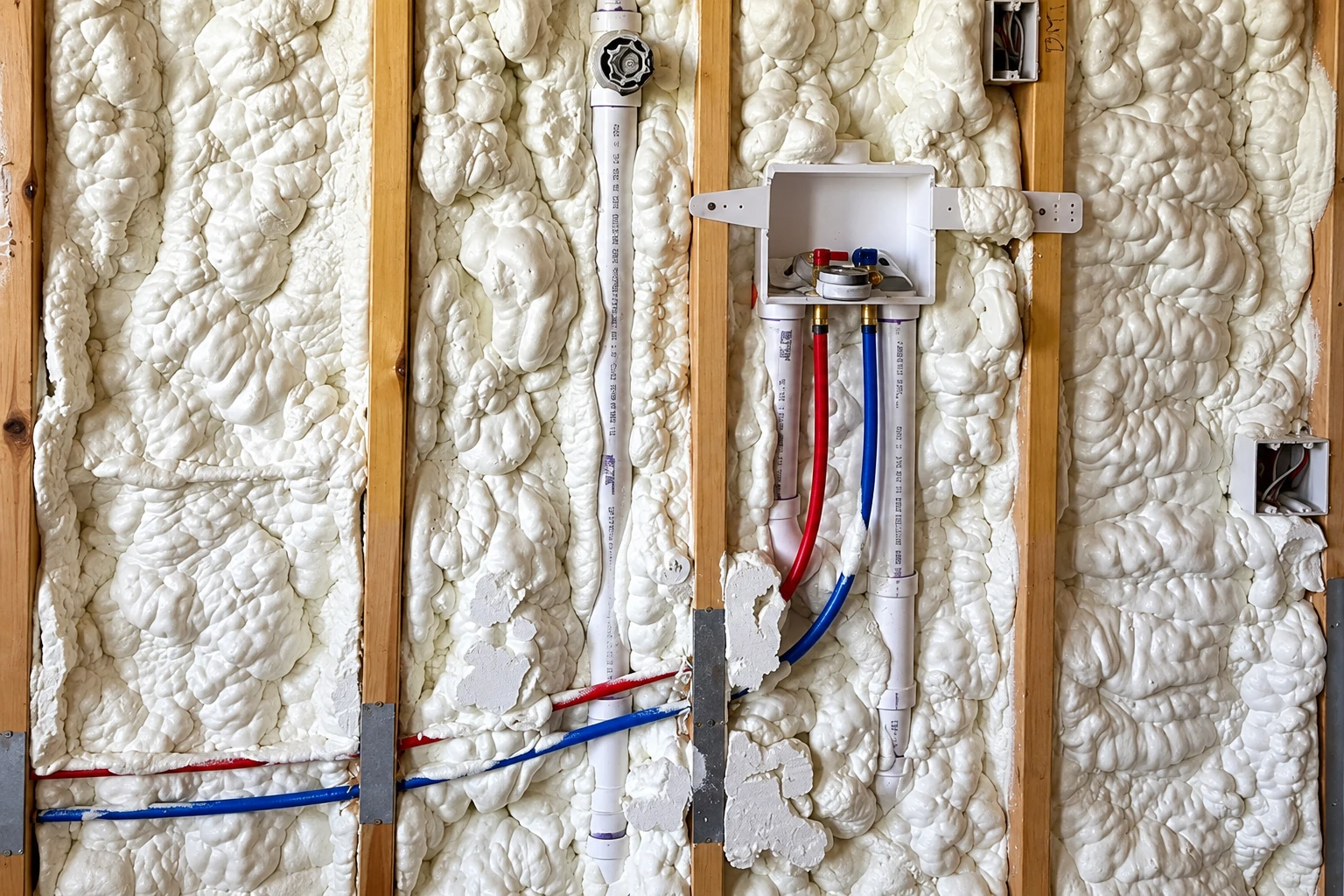
Basement walls usually get spray foam, foam board or fiberglass batts. Closed-cell foam insulation, a dense foam that also blocks moisture, costs more but seals air while it insulates, and open-cell foam insulation is a lighter, softer foam. Spray foam should have ignition-barrier paint, a fire-resistant coating, or gypsum board over it, and foam board should be covered with gypsum board, the same panel as drywall. That holds even in a basement you leave unfinished, so if foam is the pick, I put the cover in the plan and the price from the start.
Keeping moisture out of the wall
A basement wall has to be able to dry, so we watch what goes against the concrete and what goes on the room side. Wood, paper and fiberglass batts take up moisture, so they should be kept off bare concrete walls and floors. Plastic sheeting or foil-faced sheathing on the room side of batts can trap moisture inside the wall, so building guidance points to kraft-faced batts, the kind with a paper facing, or latex paint on the drywall instead. I'll show you which layer goes where before anything goes up, so the order makes sense to you.
Get a written estimate for your basement
Send the form with your basement's square footage and any damp spots you've seen, and we'll reply within one business day. I come out, look it over and give you a free written estimate, with no obligation.
(602) 325-8993What happens after you call
I come out and look
After you call, I come out, look over the basement walls and floor, and take photos as I go. Then I walk you through what the photos show and why it matters, and I'll stop to make sure it all makes sense.
We sort out what's first
We check what has to be dealt with before insulation goes up, like water, cracks, old wiring, old insulation and gas appliances. Anything that needs fixing first shows up on your written estimate, so you know the order before you decide.
We seal, insulate and show you
If you go ahead, we seal the gaps first, because insulation fighting a draft doesn't do its job, and then put the insulation in. Before we pack up, I show you the finished work so you know what's in your walls.
Basement insulation questions in Buckeye
How much does basement insulation cost near Buckeye, AZ?
Insulating a basement in the Phoenix metro area usually costs about $1.50 to $2.50 per square foot. That's a metro-wide figure for the work, not our price, and no source gives one for Buckeye alone. Your square footage, the material and any work that has to come first move it, and your written estimate spells that out.
What should I do if my basement walls get wet?
If your basement walls get visibly wet at times or water drains onto the floor, an interior drain should go in before any insulation. It means cutting out the outer edge of the concrete floor, so it goes first in the budget. With walls that are only damp now and then, skipping it can be weighed against replacing a finished floor that gets wet.
Do I need a permit to insulate my basement in Buckeye?
It may, so ask Buckeye's Permit Center, which issues permits to alter or improve any building in city limits. Its list names fencing, pools and solar but not basement insulation, so reach it at 623-349-6200 or permitcenter@buckeyeaz.gov. Before we start, we check with the city, and if the job needs a permit, we take care of it.
Can I insulate my own basement in Arizona without a license?
Yes, as long as you're improving a home that only you occupy and it isn't for sale or rent. Arizona's contractor rules let an owner in that spot do the work themselves or hire licensed contractors for it. If you'd rather hand it off, I'll still walk you through what your walls need and why.