
Tolleson is a small city a short drive east of us, right next to Avondale, and the calls we get there sound a lot like the ones from Buckeye: a hot room upstairs, the room over the garage that never cools off, a power bill that climbs every summer. The houses run from older homes with whatever insulation went in when they were built to newer ones where the builder stopped at the minimum, so I start every visit by going up the ladder and seeing what's really there. We do the same work up in Youngtown and across the cities around Buckeye.
The weather service's long-term averages for the Phoenix area describe a hot, dry place with very little rain, and those averages have crept a little warmer over the years. For a house here, that means the attic spends much of the year baking right above your ceiling and pushing heat down through every thin spot and gap, so the job in Tolleson is less about piling on more and more about sealing first and getting even coverage.
What sets the price and the schedule
Price and timing come down to what's already in your attic and what has to happen before new material goes in. If the old insulation is soaked or full of droppings, it comes out first, because covering it only buries the problem. How many gaps need sealing, how easy the attic is to get into and whether you want loose fill or foam all move the price. The schedule turns on the same things, since pulling old material out takes longer than topping up. I measure how many inches are up there, note how old the house is and put it all into a written estimate we go over line by line.
Sealing the gaps before we add more
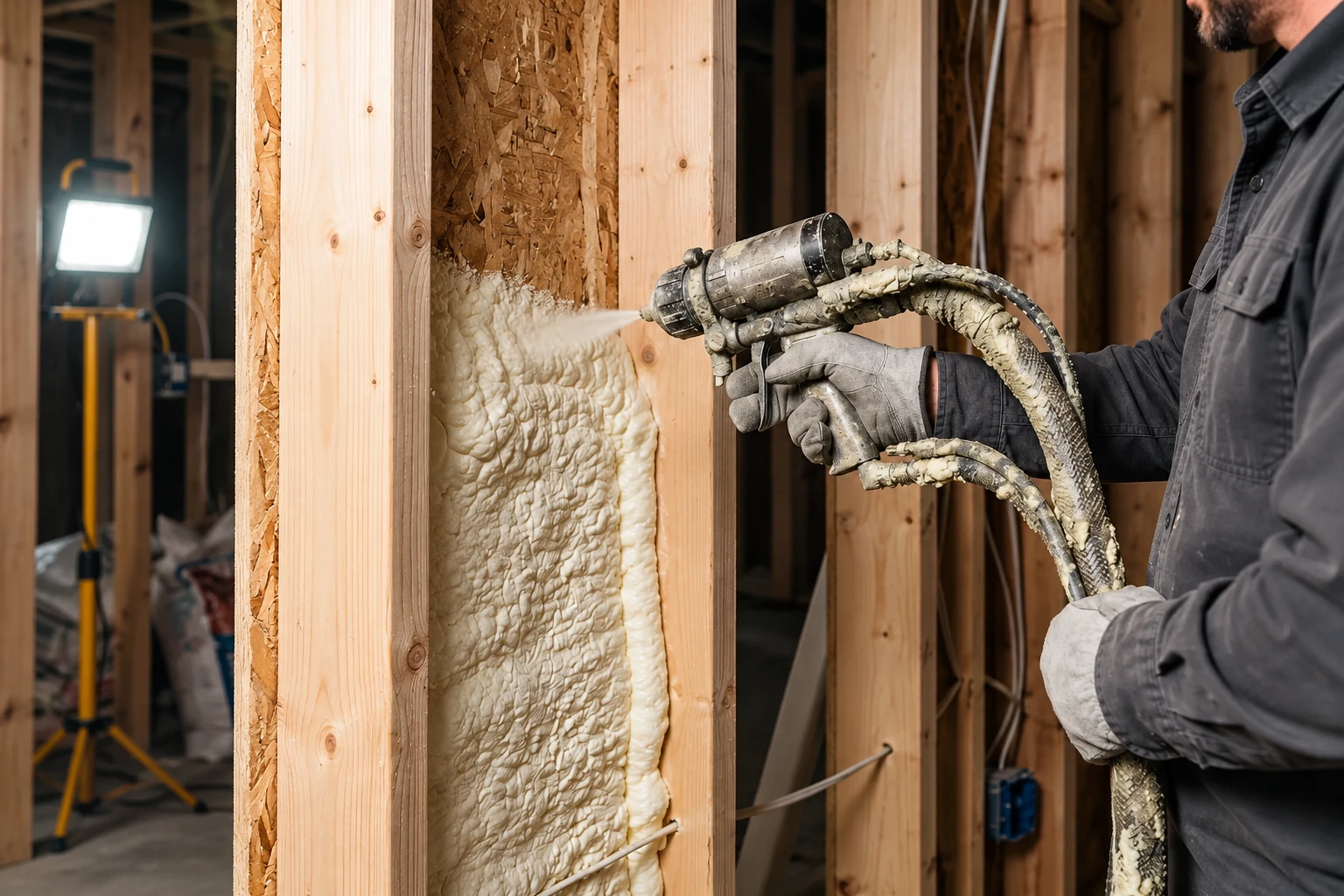
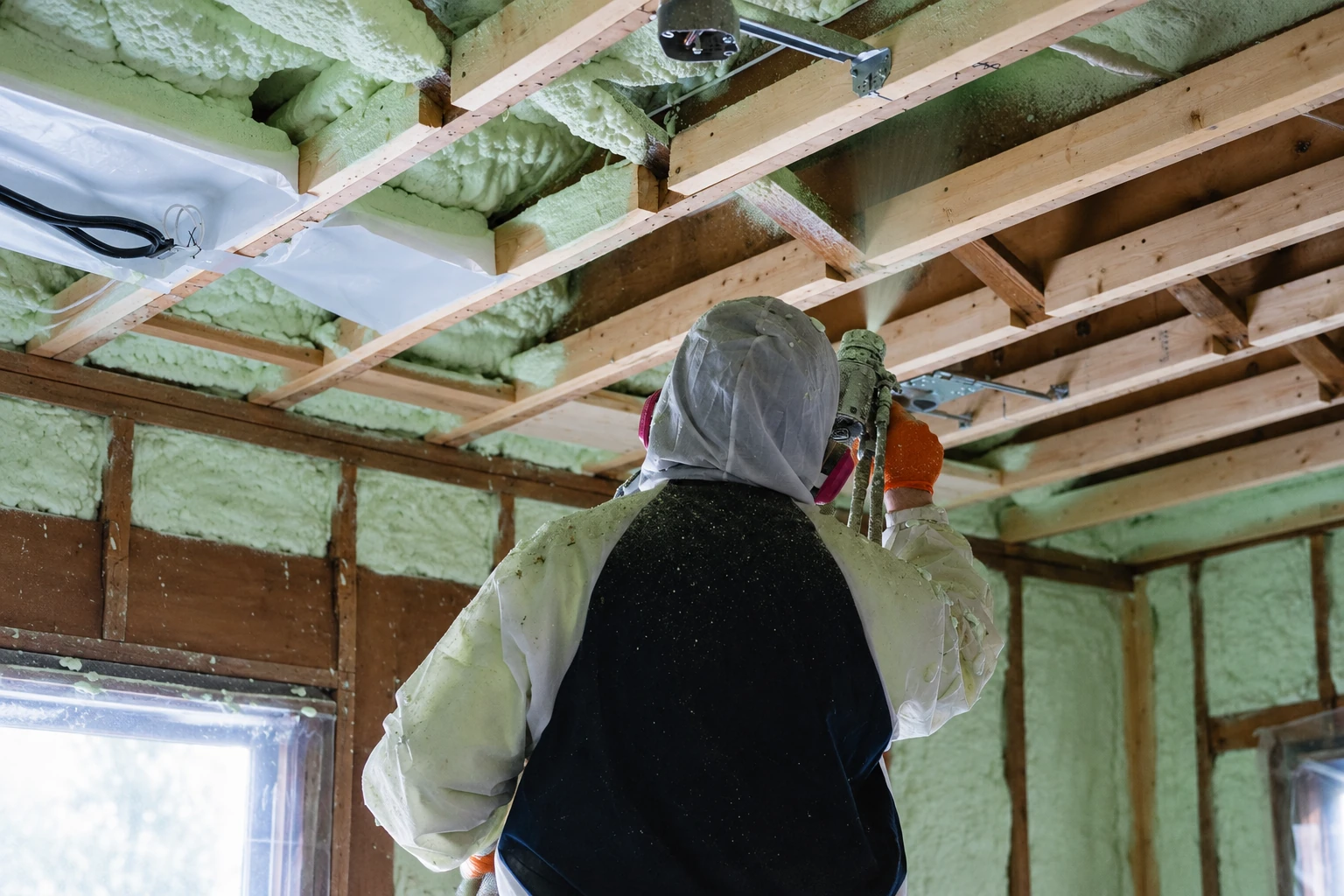
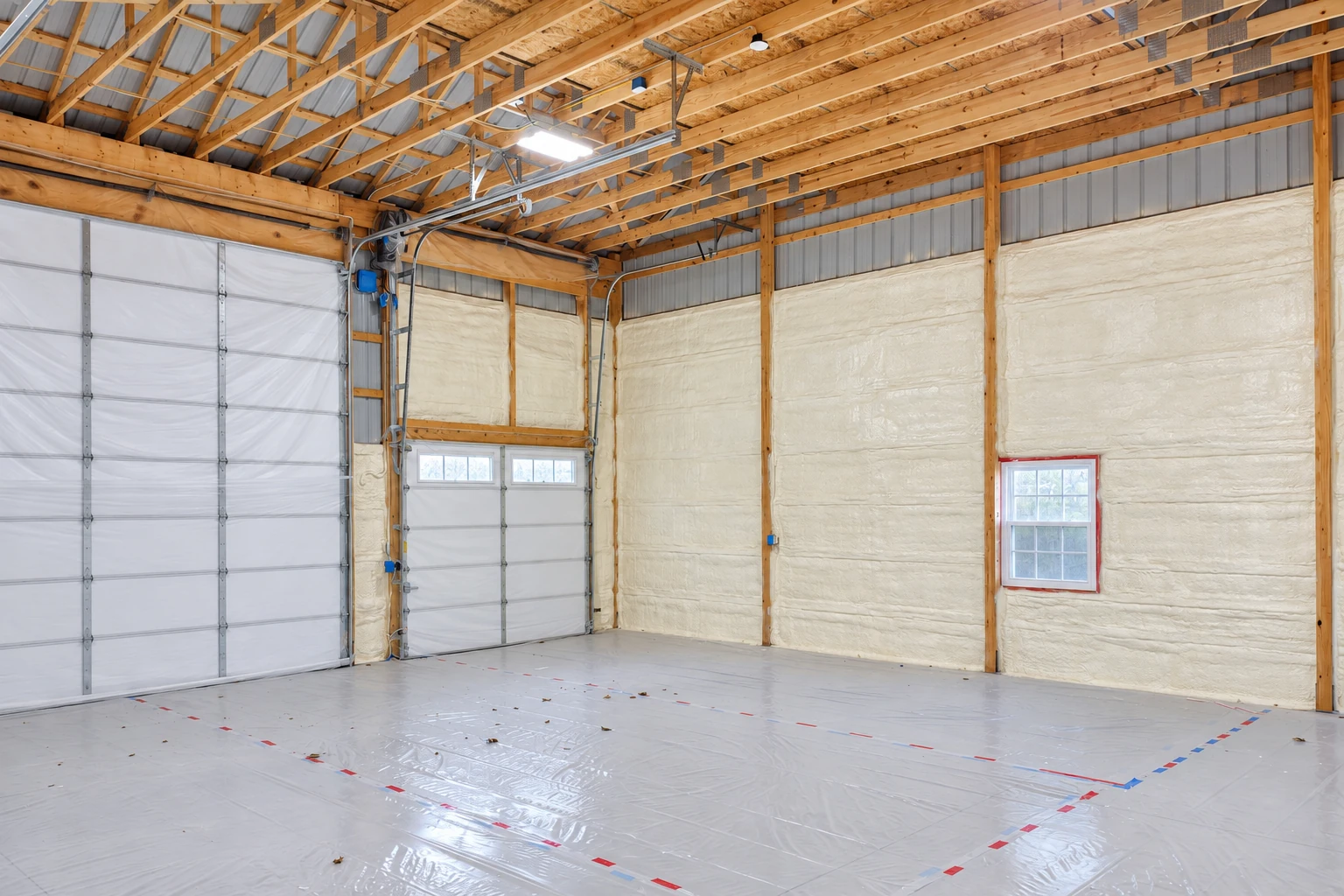
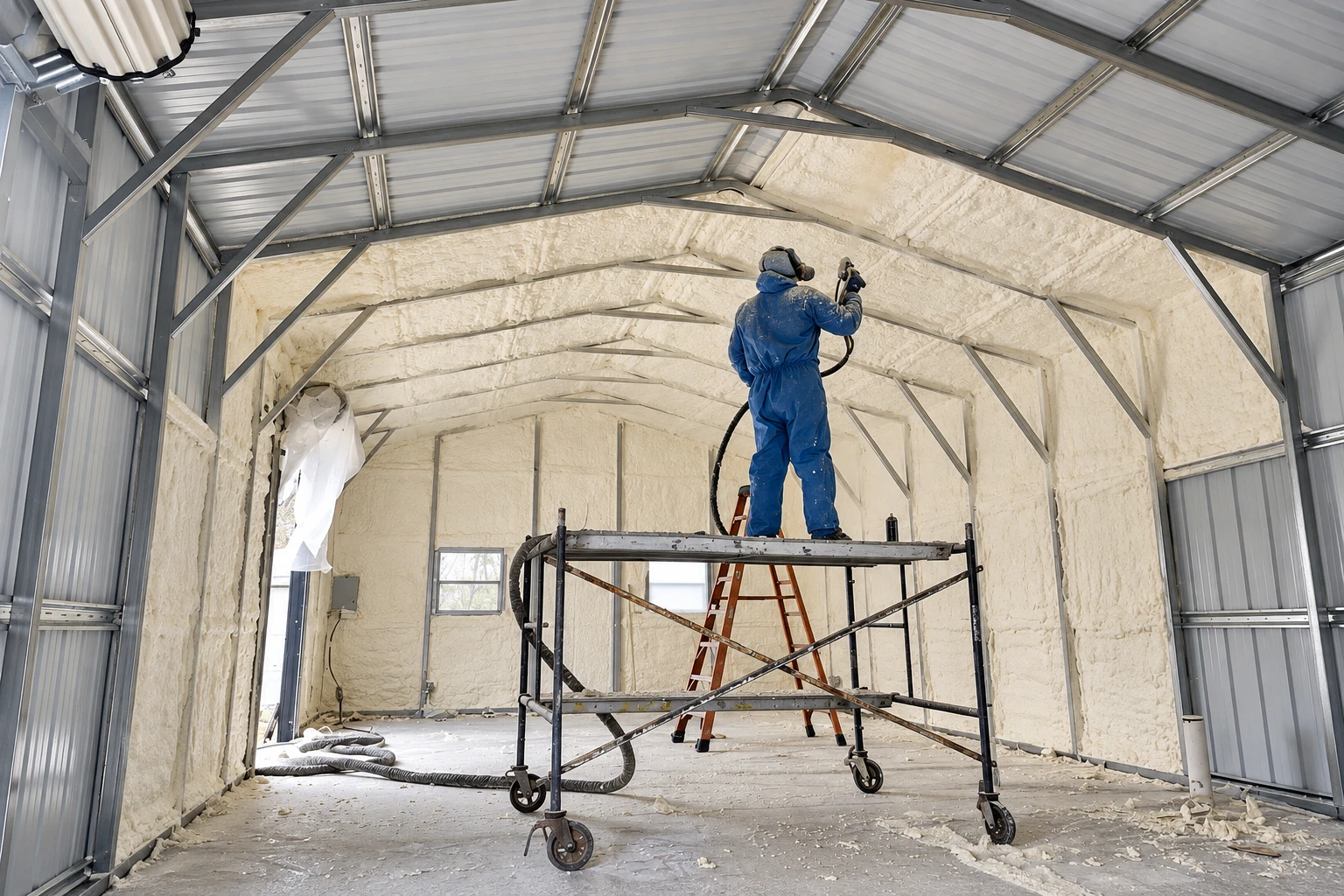
Insulation slows heat but doesn't stop air, so we start with air sealing, closing the gaps around can lights, pipes and the attic hatch. Skip that and the new insulation fights a draft, like hay stacked against a barn wall full of knotholes. We keep the eave vents clear so the attic still breathes, and we fill the edges as deep as the middle, because the edges are where coverage usually runs thin. For most attics, sealing plus a top-up of blown-in, loose fill sent through a hose, is the better buy. Foam costs more, but if your ductwork lives up there, open-cell foam insulation can be worth it because it seals and insulates at once.
Getting your attic ready for our crew
We need a clear path to your attic hatch, so moving boxes out of the closet or garage under it before we arrive keeps the day moving. If the hatch is in a garage ceiling, leave room for a ladder and our hoses. Attics here get hot enough by afternoon in summer to wear a crew down, so we like to start early. Pets are happier shut in a room away from the noise. I'm on site with our installers, and before we pack up I'll show you what's up there now and why we did it in that order.