
Goodyear has a lot of newer neighborhoods, many of them two-story stucco houses with tile roofs, mixed in with older homes that have had a few owners and a few attic projects already. The calls we get from Goodyear sound a lot like the ones from Avondale and Litchfield Park. The bedrooms upstairs won't cool down, the room over the garage is the worst in the house, and the power bill in July is hard to look at.
Most of the time the cause is overhead. In plenty of these houses the ducts and the air handler sit in the attic with whatever insulation the builder left, and it's often thin at the edges and open around the lights and the hatch, which is right where the heat gets in.
What moves the price and the schedule
Price comes down mostly to how big the attic is, how easy it is to get around in, and how many inches are already up there. If the old insulation is wet, packed down or full of droppings, it comes out first, and that adds labor and a haul-away. Sealing the gaps adds time, and it's the part I won't leave out. Foam costs more than loose fill. The schedule turns on the same things, plus the heat, because a Goodyear attic in summer is only workable for part of the day. I come out myself, look at all of it, and go over the written estimate with you line by line.
Why we seal the gaps before adding more
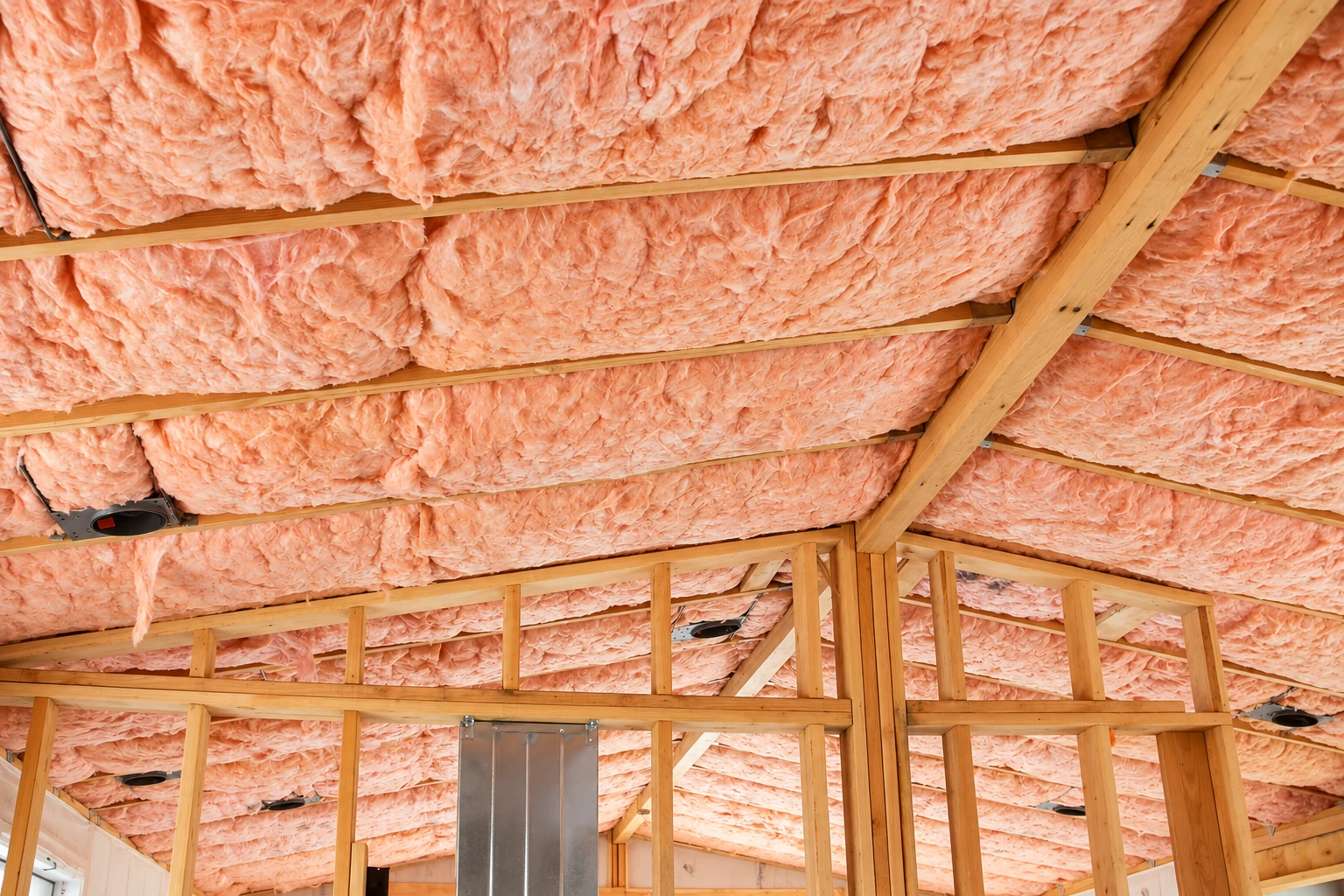
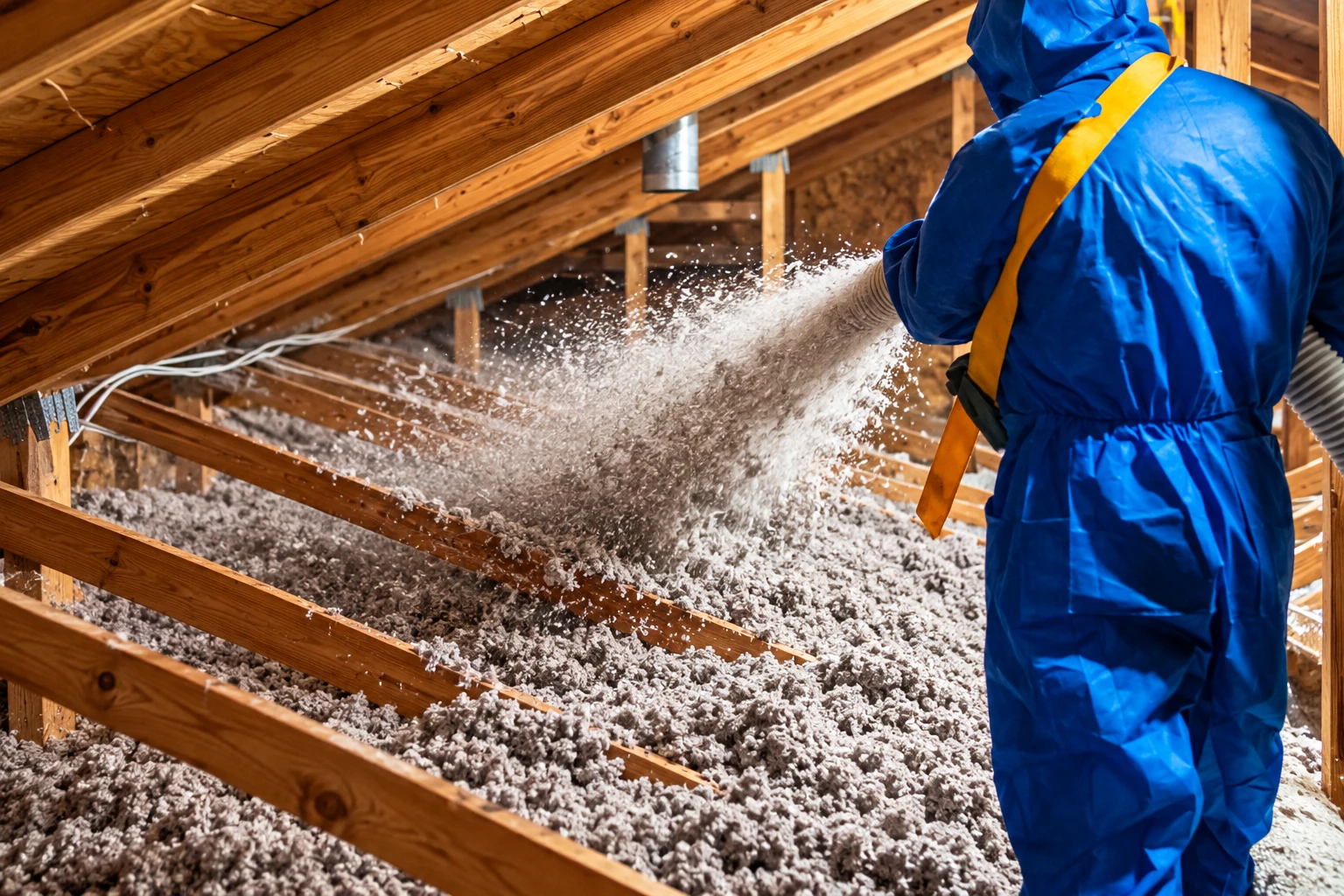
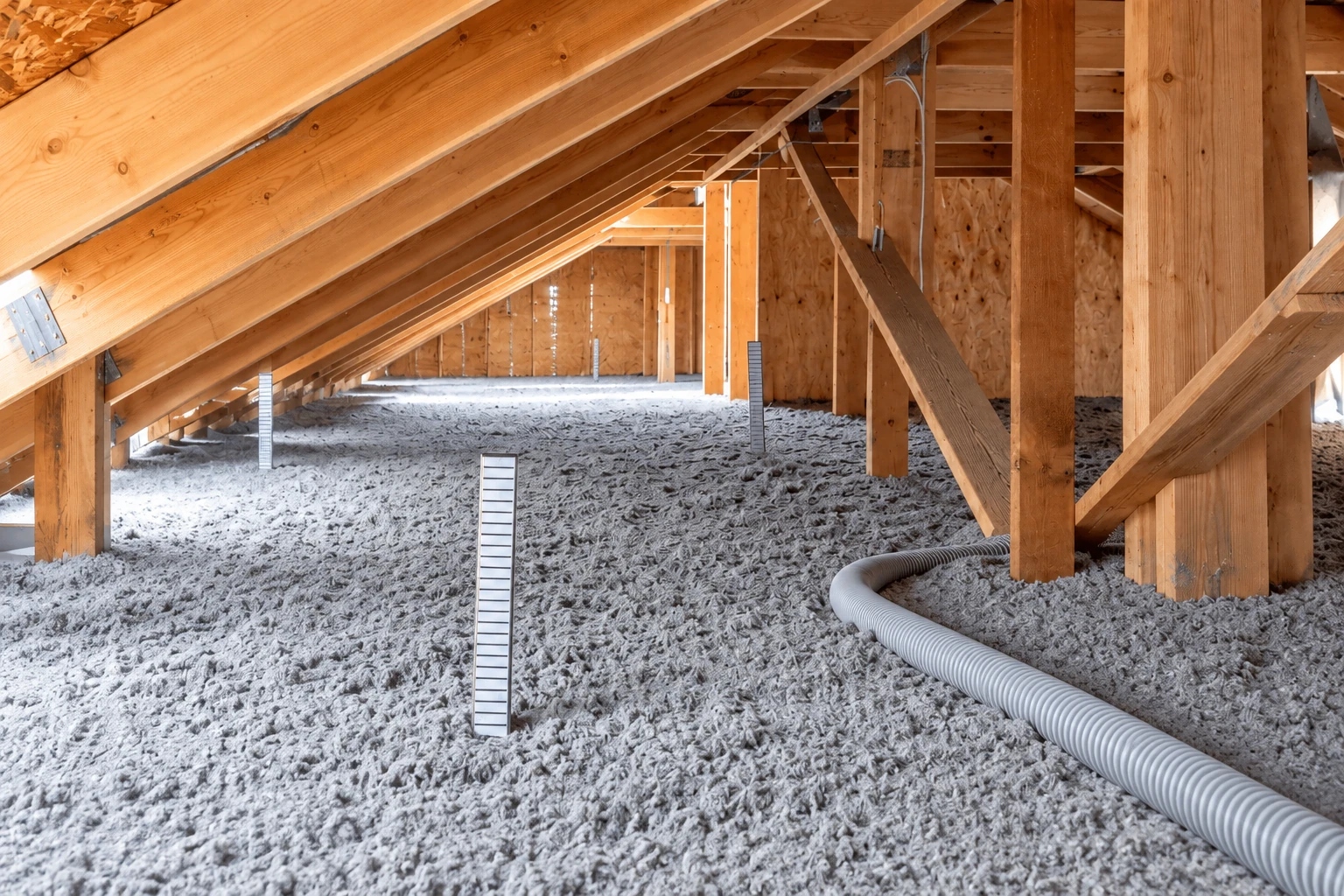
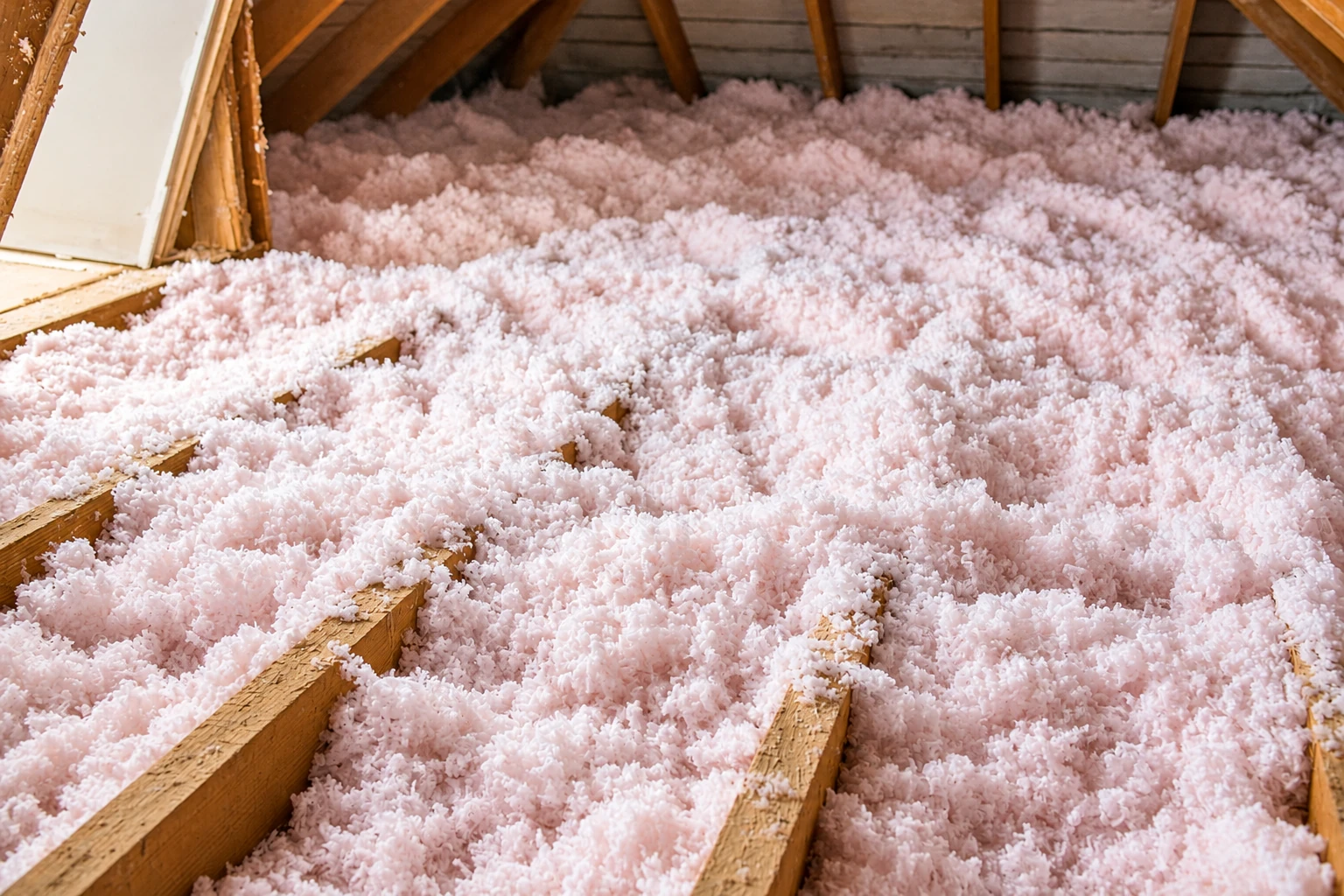
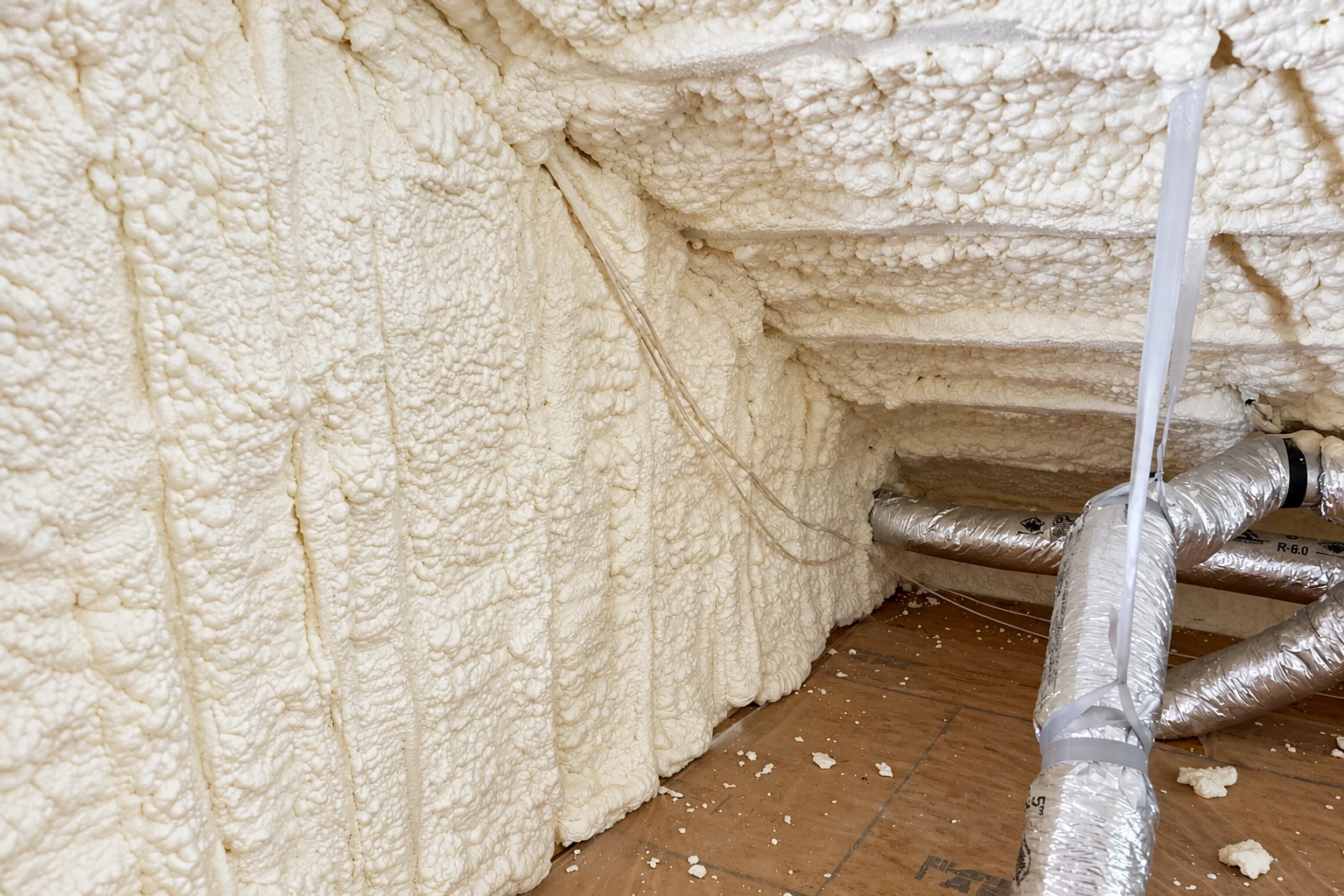
Air sealing means closing the gaps around can lights, pipes, wires and the attic hatch before new insulation goes down. Skip it and hot attic air slips past the fresh material into your rooms, like patching a barn wall and leaving the door open. Then we add attic insulation, usually blown in, which is loose fill sent through a hose, kept deep out to the edges and pulled back from the eave vents so the attic still breathes. Foam costs more and seals while it insulates. When the ducts run through the attic, I'll show you both options, because foam on the roofline keeps them out of the heat. Otherwise sealing and topping up wins.
Getting your house ready for our crew
Most of the work happens through the attic hatch, so we'll need a clear path to it, whether it's in the garage ceiling or a hallway closet. Moving cars out of the garage helps, and so does keeping pets in a closed room while we go in and out. Before anything new goes in, I check the old material for water stains, packed-down spots and droppings, because blowing fresh insulation over that just buries the problem. If something up there worries me, I'll take you up the ladder or show you photos and explain it, because I'd rather you understand your own house than just take my word for it.