
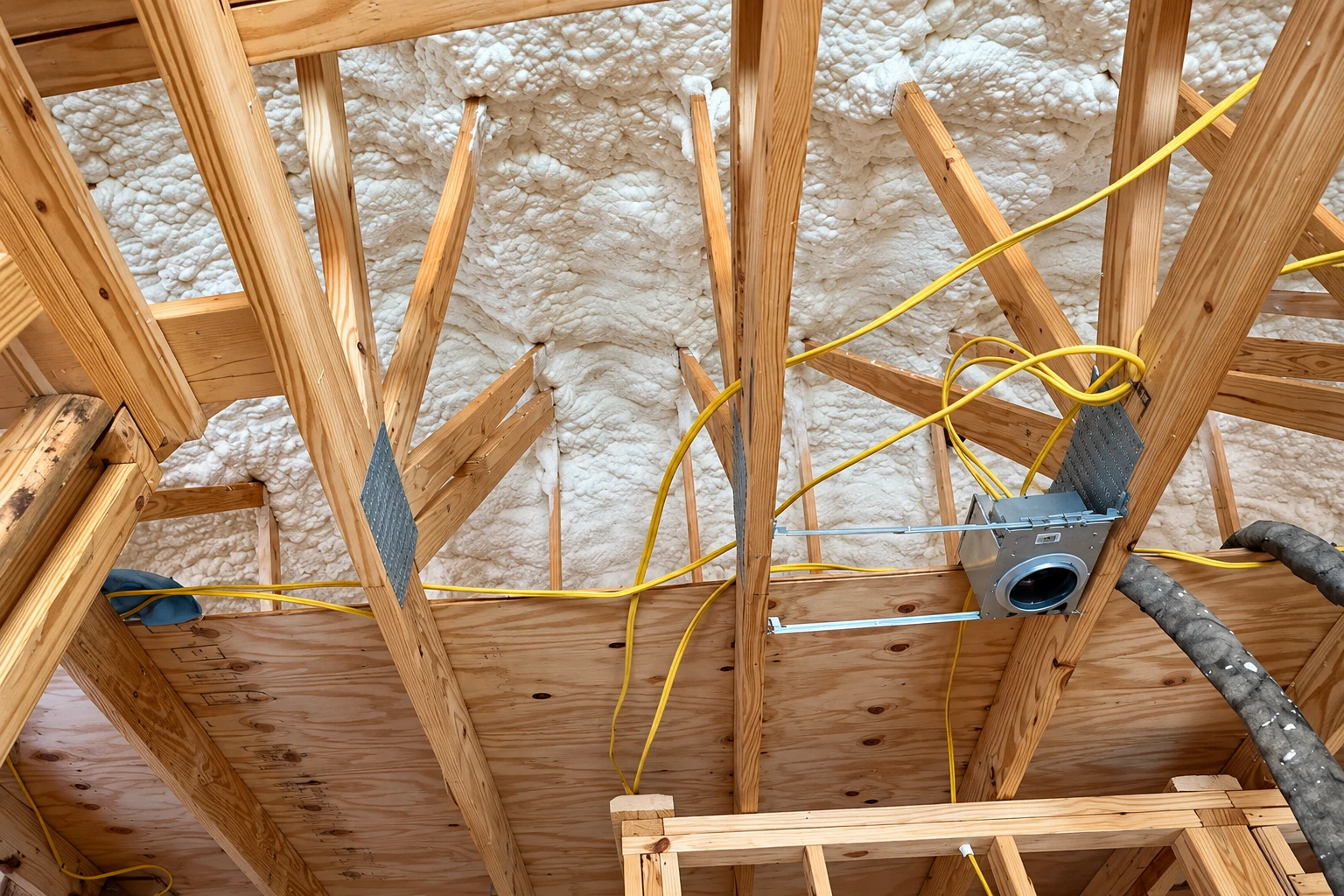
Peoria's summers run extremely hot and its winters stay mild, so most calls I get here are about heat getting into the house, not out of it. It shows up as a hot upstairs, a room over the garage the AC can't keep up with, or a power bill that jumps every summer. We're an insulation contractor based in Buckeye, AZ, and we hear the same complaints up the road in Sun City and next door in Surprise.
Peoria has a mix of older and newer houses, and the attic usually tells you which one you've got. Older attics tend to have a few inches that have packed down over the years, while newer two-story houses often run thin over the garage. In a lot of them the ductwork runs through the attic too, so what we do up there has to account for ducts sitting in that heat.
What sets the price and the schedule
I can only price your attic once I'm up there with a flashlight, because the price comes from what I find. It turns on how big the attic is, how many inches are already down, whether that old material is clean enough to stay, and which material you choose. Air sealing, closing the gaps around can lights, pipes and the hatch before anything new goes in, is handwork and adds time. The schedule mostly depends on removal, since an attic that has to be cleared out takes longer than a top-up. I go over the written estimate with you line by line, so you can see where every part of the cost comes from.
Getting your house ready for us
Before we come, clear a path to the attic hatch, which in a lot of houses sits in a hallway ceiling, a closet or the garage. Move whatever's stored right under it, and plan to keep pets in a closed room, since our installers will be going in and out with hoses and bags. In the hot months we try to get into the attic early in the day, because a Peoria attic in summer gets too hot to work in safely by afternoon. We lay covers along the path and clean up before we leave, so you aren't finding insulation dust in the hallway a week later.
What I look at before adding anything
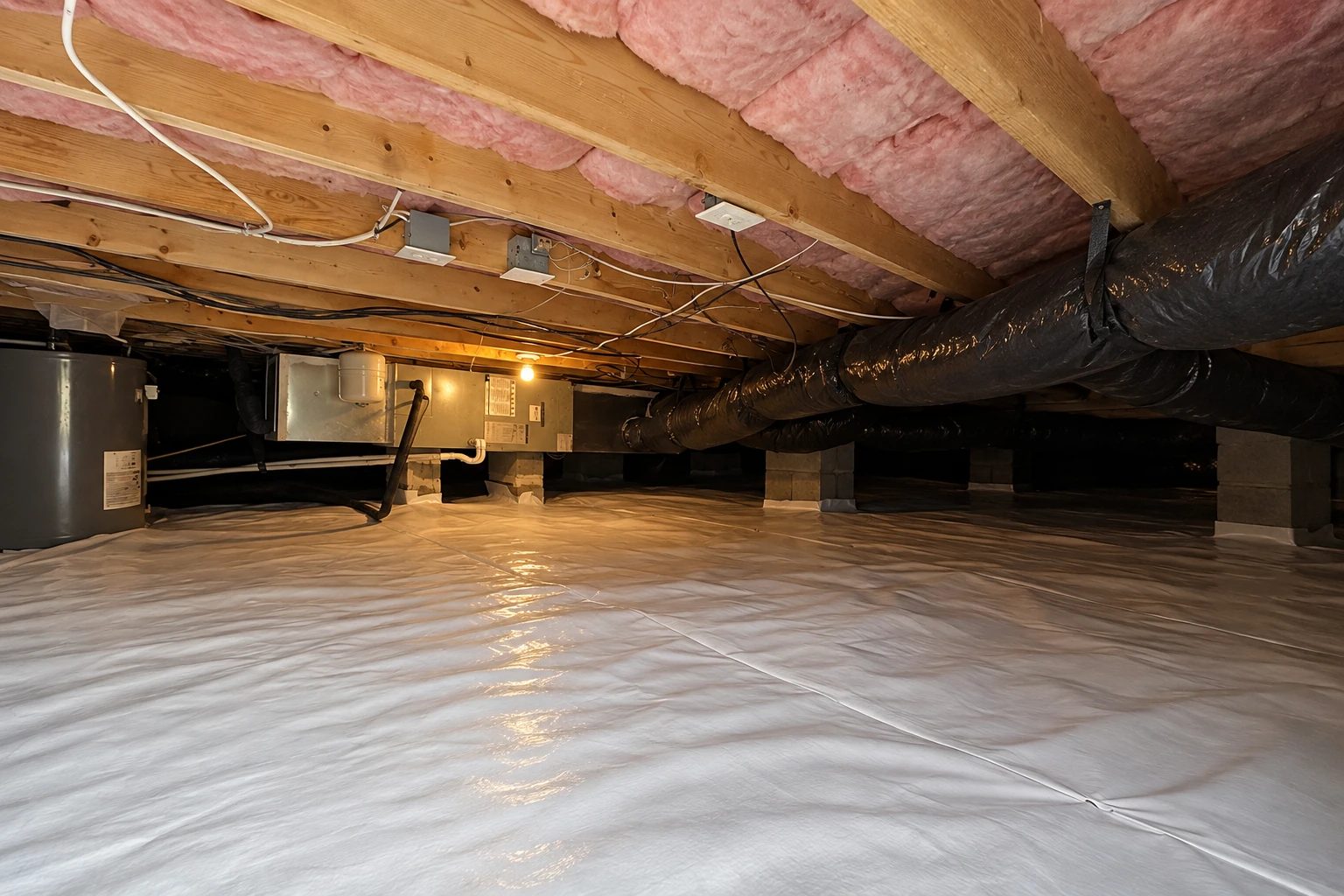
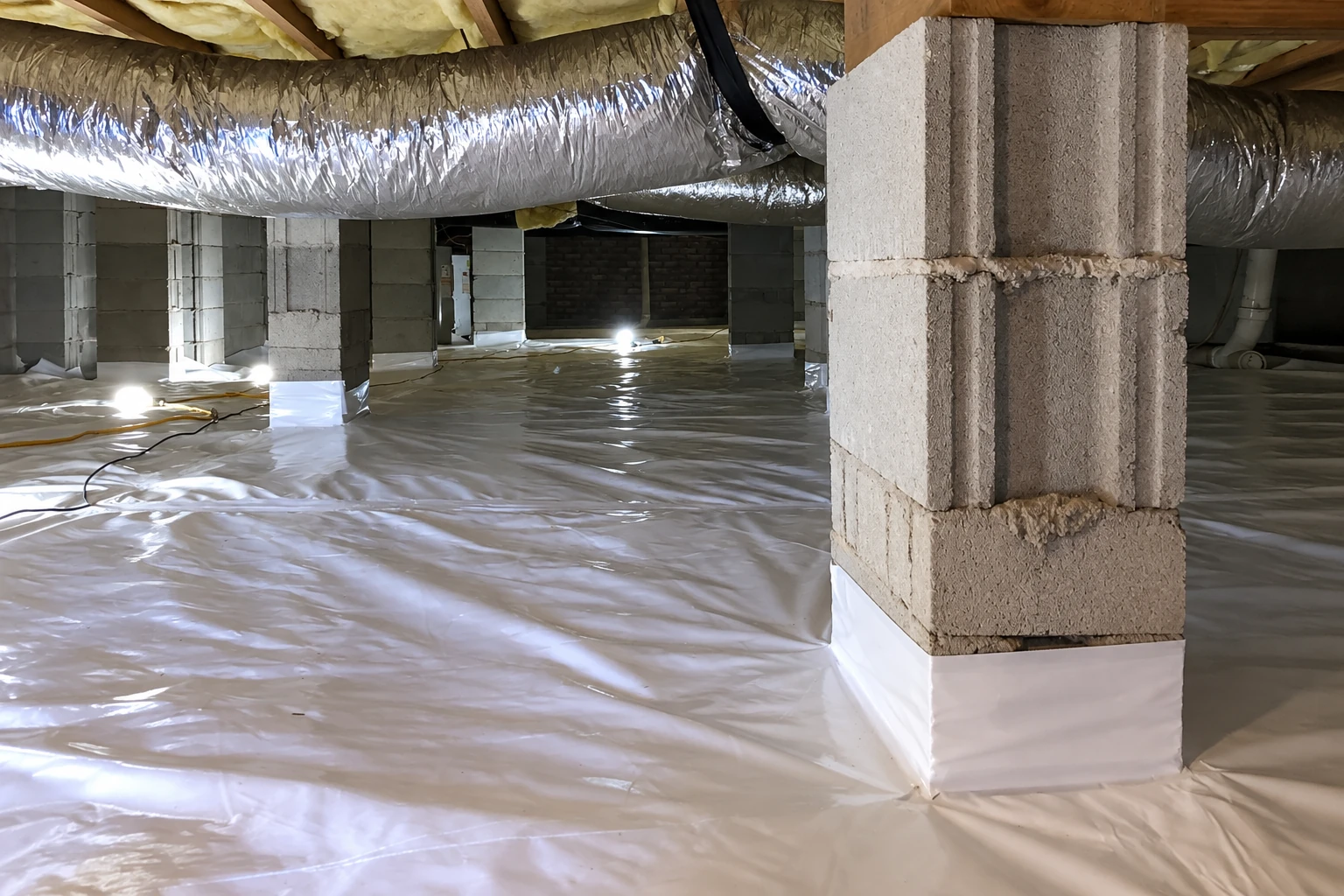
Laying new insulation over a problem is like patching a barn roof over a rotten rafter. It looks fine for a season. So I look first. If the old material is matted from a roof leak or full of rodent droppings, it comes out before anything new goes in. Termite pressure runs moderate to heavy around here, so I check the wood while I'm up there and tell you what I see. We keep the eave vents clear so the attic can breathe, and we run full depth out to the edges, where it's usually thinnest. If your house sits over a crawl space, I check underneath the same way before we talk about crawl space insulation.