
El Mirage is a small city on the northwest side of the Valley, sitting between Surprise and Youngtown. What we mostly see here are single-family houses on tight lots, with older blocks mixed in among newer subdivisions. We're based in Buckeye and work across this side of the Valley, up through Sun City West, so the calls from here sound familiar. People call about hot rooms and a power bill that climbs every summer, or they just moved into an older house and want to know what's in the attic.
A lot of these houses are single-story stucco, with the ductwork running through a low attic and a hatch in a closet or the garage ceiling. So most of the job happens in a tight, hot space, and what's already up there decides what we do first.
What sets the price and the timing
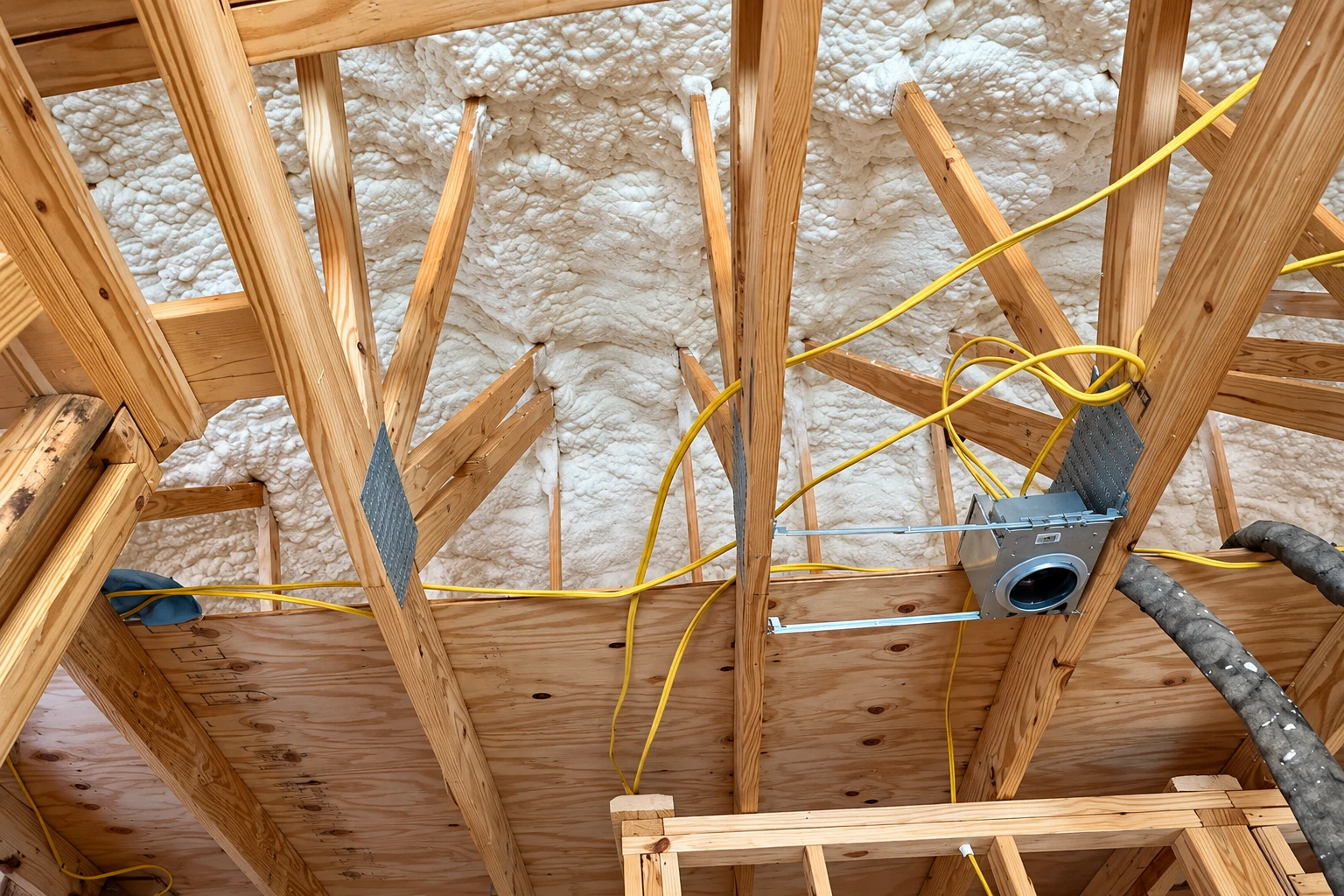
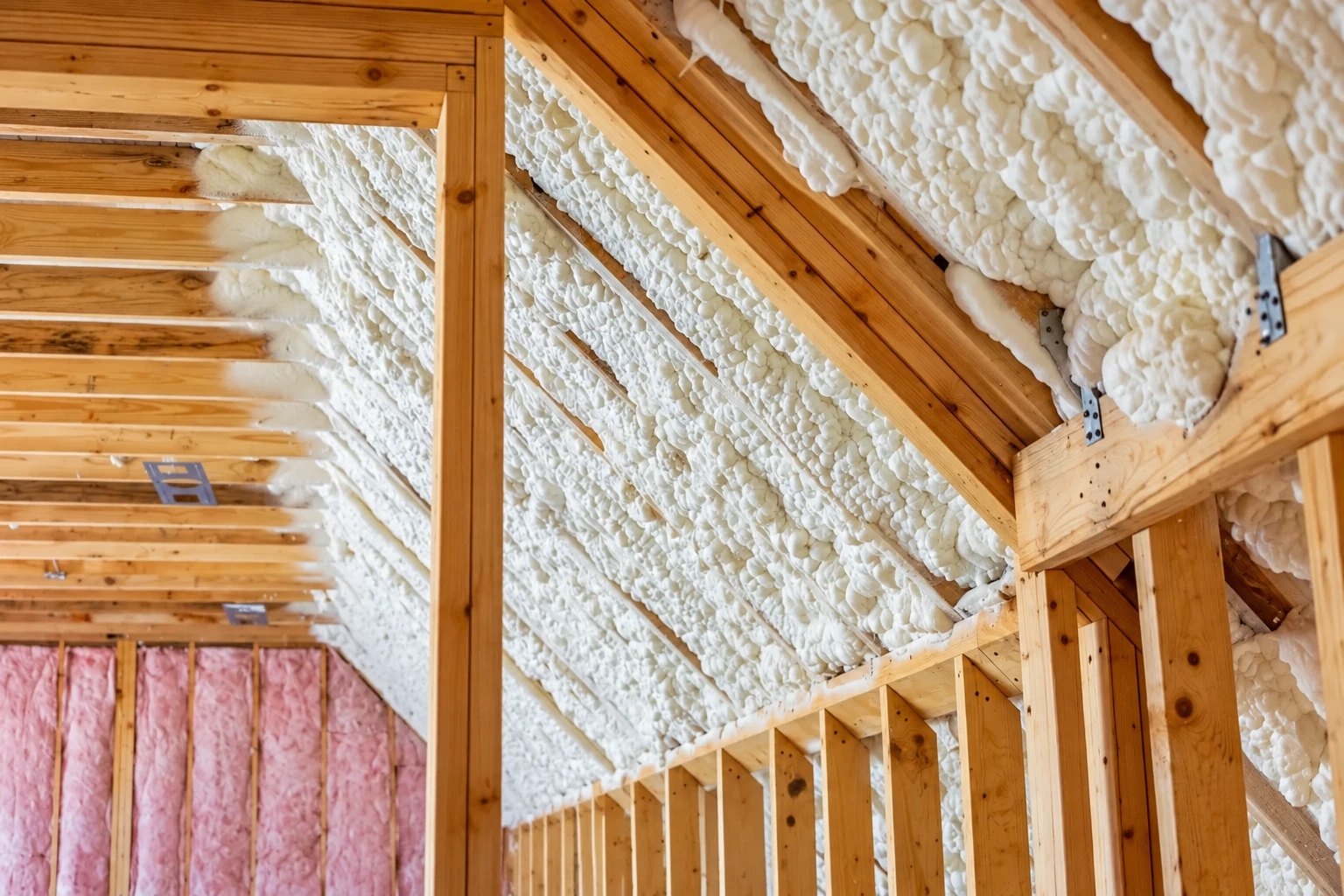
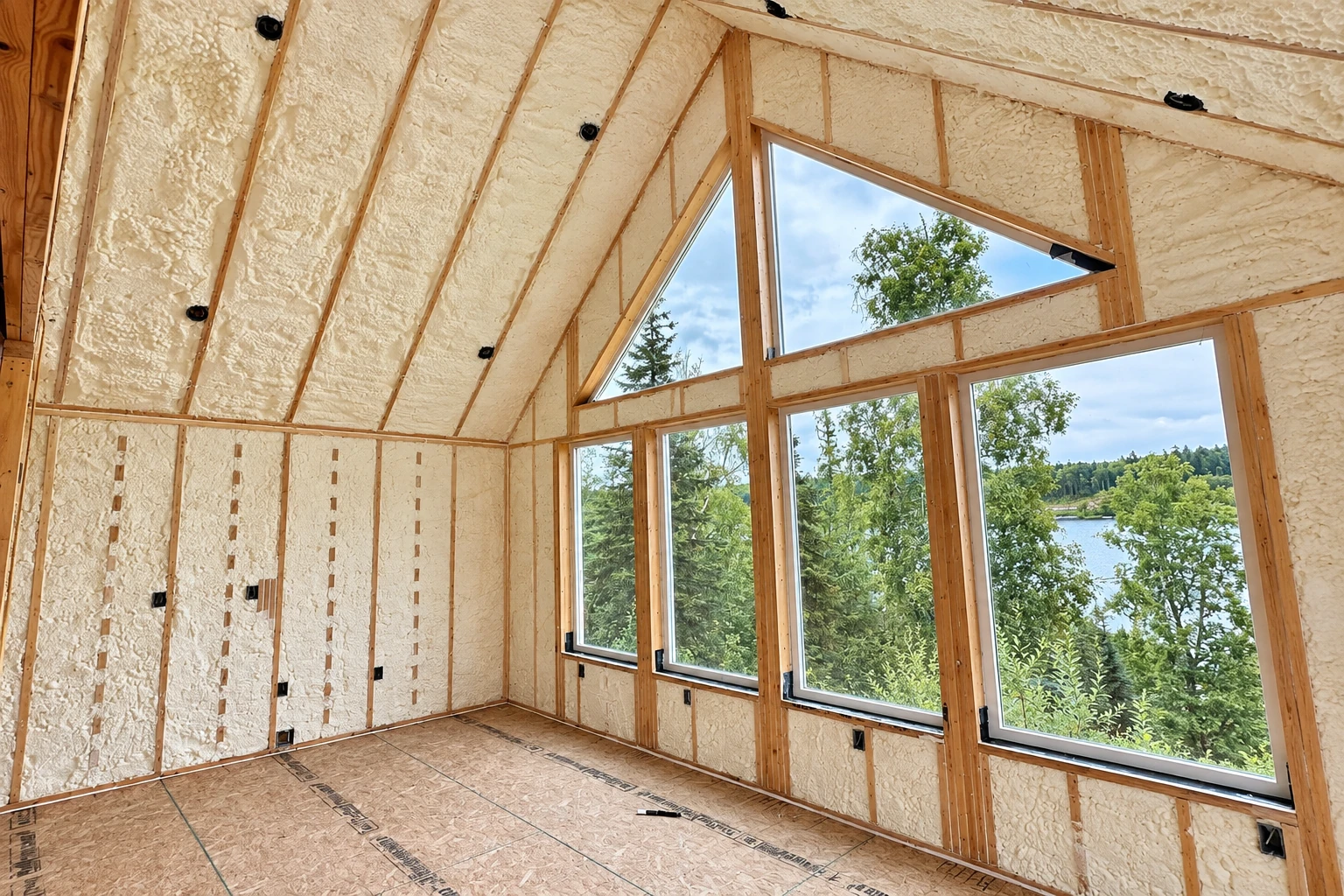
Price comes down to what's already in your attic and what has to happen before anything new goes in. I measure how many inches you have now, look for old insulation that got wet or full of droppings, and check the gaps around can lights, pipes and the hatch. Foam costs more because it seals air while it insulates. For most houses, though, air sealing the gaps and topping up with blown-in insulation, which is loose fill blown through a hose, is the better choice unless your ductwork lives up there. Timing turns on how much has to come out and on what I hear back from El Mirage Building Safety about a permit. I go over the written estimate with you line by line.
Getting the house ready for install day
Clear a path to the attic hatch, whether it's in a hallway closet or the garage, and move anything stored right under it, because that's where we'll be coming and going while we work. We lay down covers inside and clean up before we leave. With blown-in you can usually stay home, though kids and pets are better off away from the hatch. Foam is different. You leave the house and come back after the re-entry time, which is the wait the foam maker sets before it's safe to be inside, and I'll tell you what it is at the estimate. In summer we start early, before the attic gets too hot to work in carefully.
Monsoon storms and old attic insulation
Maricopa County gets floods despite the desert, mostly from summer monsoon and winter rainstorms, and those same storms find any weak spot in a roof. When water gets into an attic, it soaks the insulation and packs it flat. Insulation that's wet or full of droppings has to come out first, because new material laid over it just buries the problem, like stacking fresh hay on a wet floor. We keep the eave vents clear so the attic can breathe and dry out. We also fill the edges as deep as the middle, since thin edges over the walls are where the heat gets in. If any of that doesn't add up, ask me.