
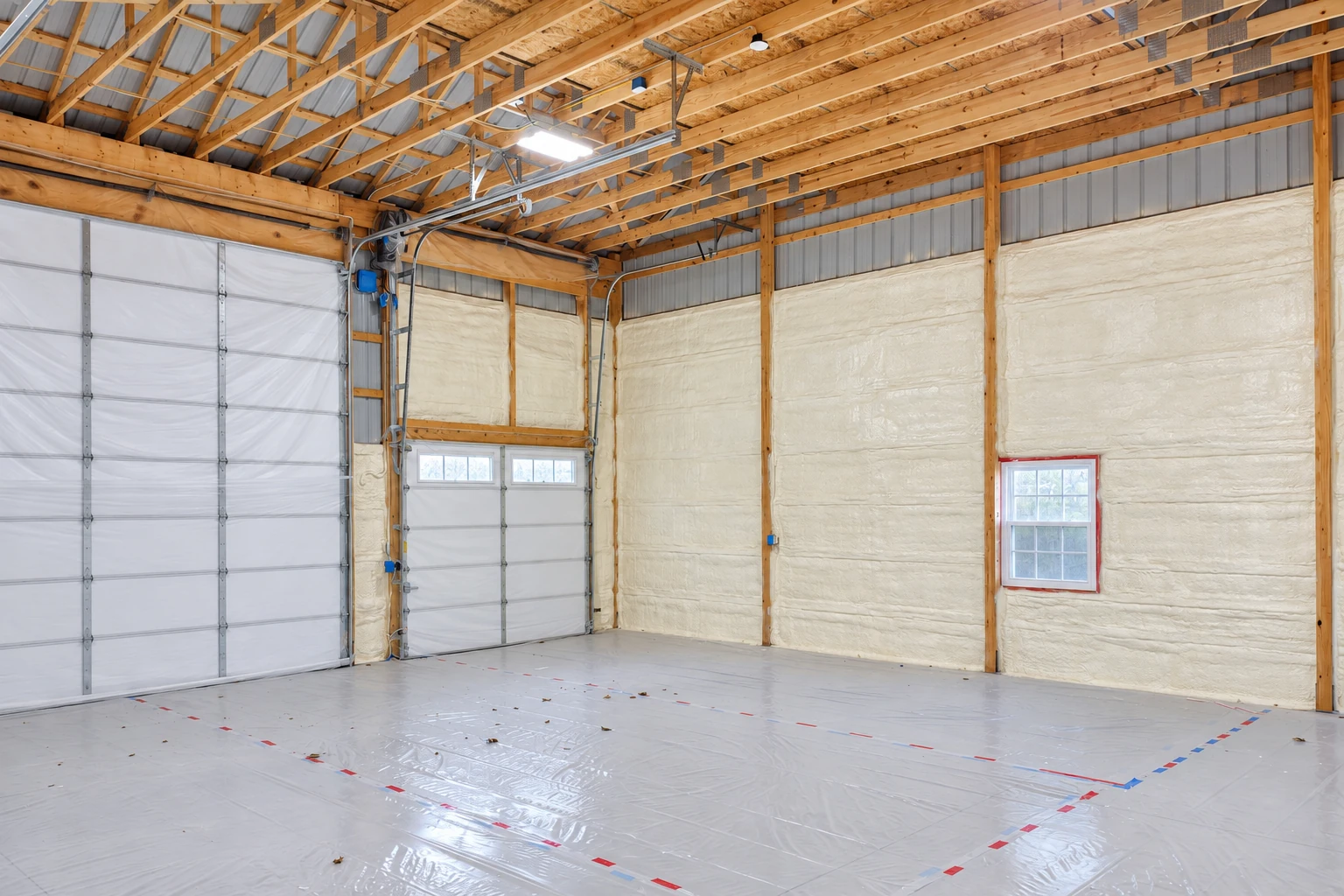
Litchfield Park is one of the cities around Buckeye where we work, along with Goodyear and Avondale right next door and Tolleson a little further east. The calls here sound a lot like the ones at home: a hot upstairs, a room over the garage nobody wants to sleep in, a power bill that keeps climbing, or a family that just moved into an older house and wants to know what's in the attic. We see older houses and newer ones here, and the age of a house tells me a good deal about what I'll find before I ever climb the ladder.
The ground matters too. The city rates termite exposure here as moderate to heavy, so when I'm in your attic or walls I watch for mud tubes and soft wood. If I find signs, I'll show you and suggest a pest company before we put anything new in, because insulation over live termites just hides them.
What moves the price and the schedule
The price turns on how many inches are already up there, whether the old layer can stay or has to come out first, and how many gaps need sealing before anything new goes down. Picking foam over loose fill raises it too. The schedule mostly rides on that removal, on how easy your attic is to reach through the hatch, and on whether the city wants a permit for the job. When I come out, I measure what you've got and go over the written estimate with you line by line, so you can see what each part costs and why it's there.
Why we seal the gaps before adding insulation
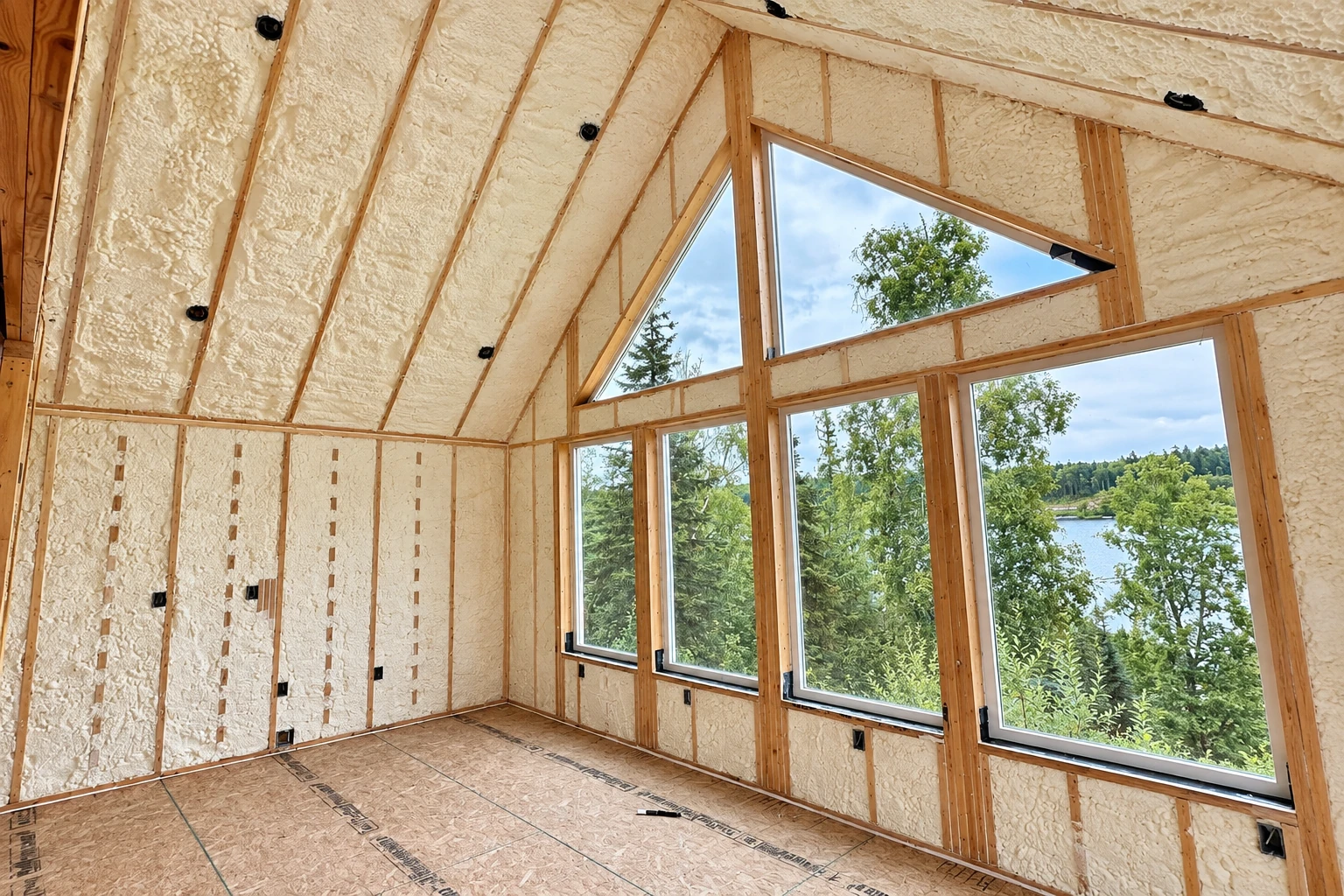
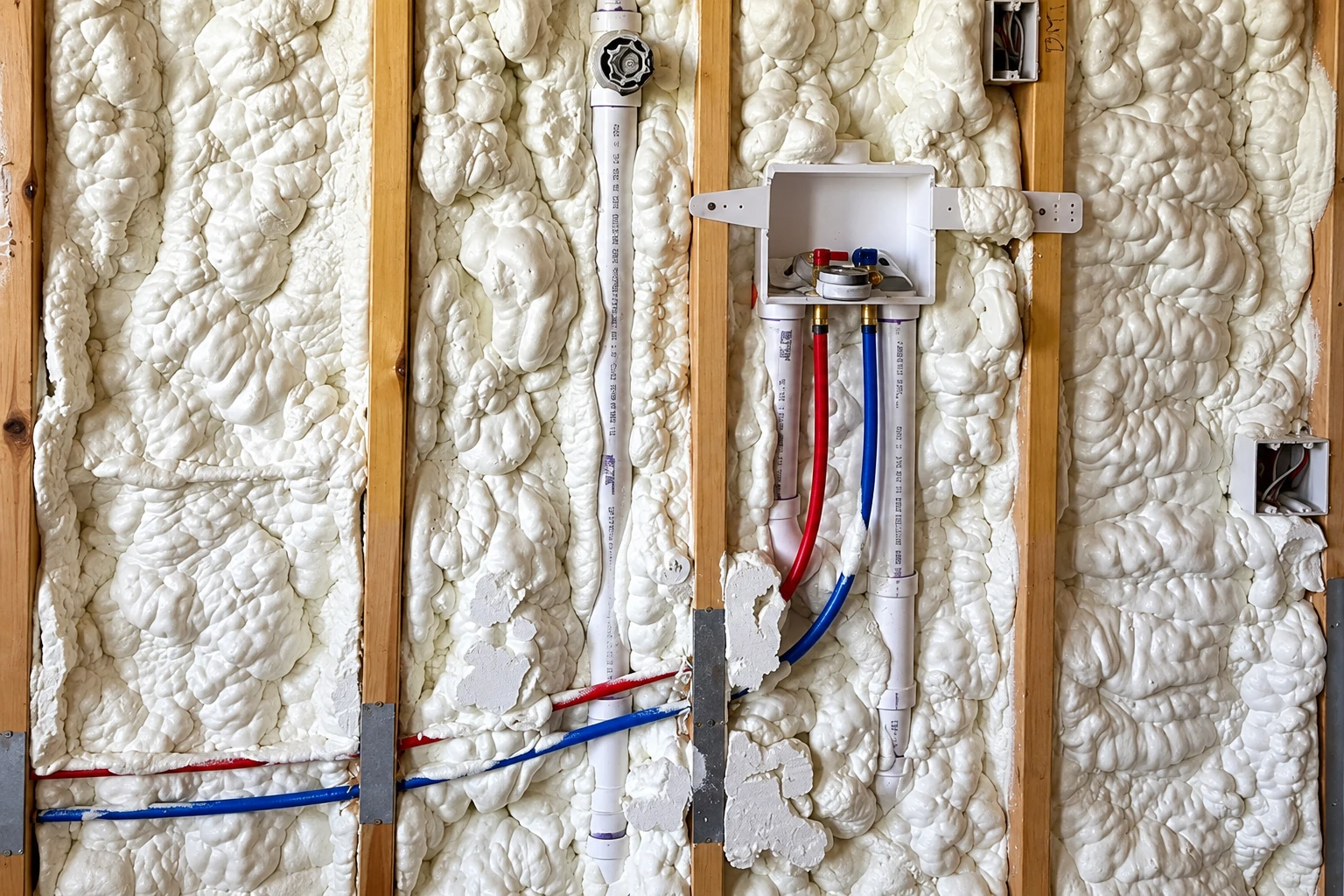
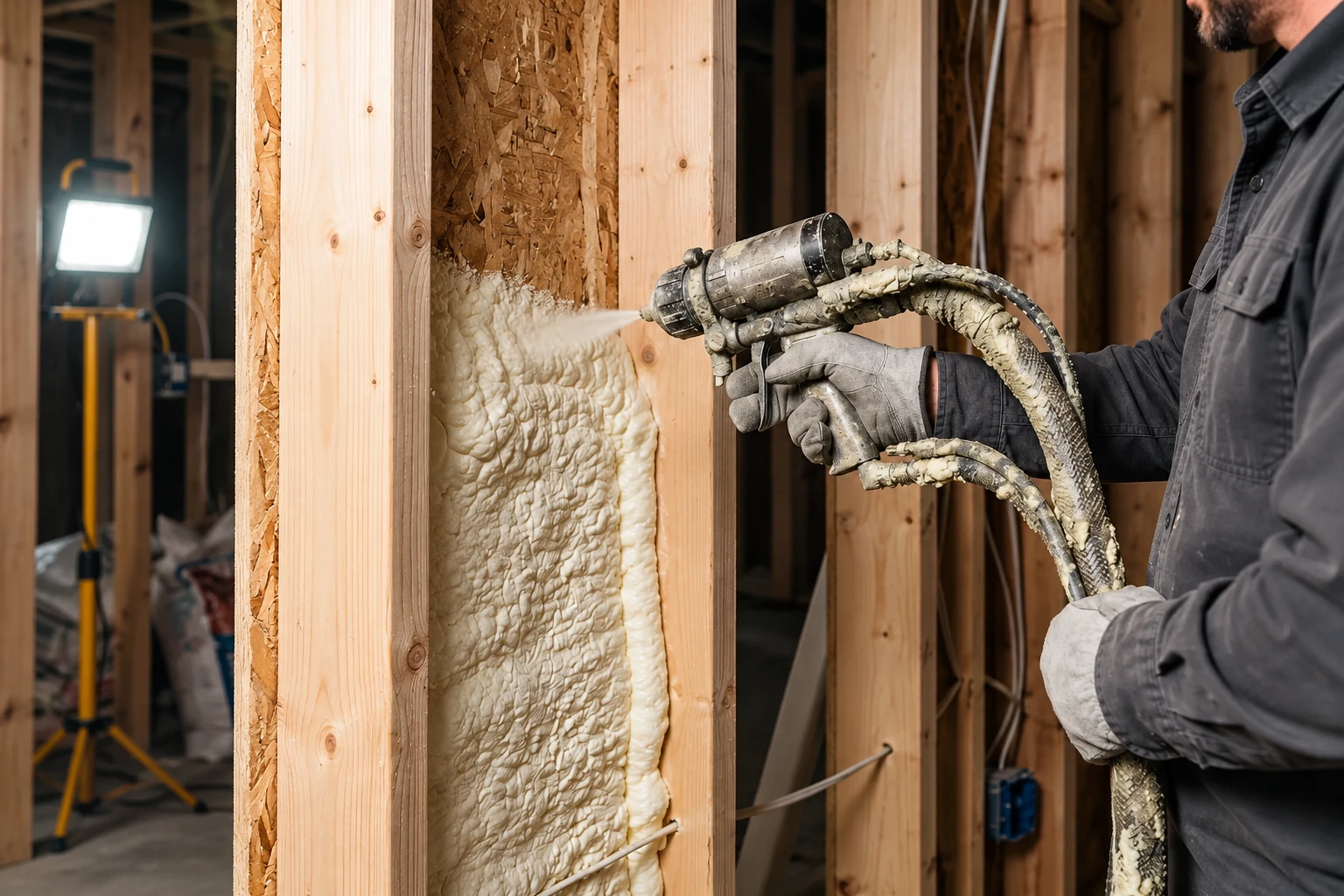
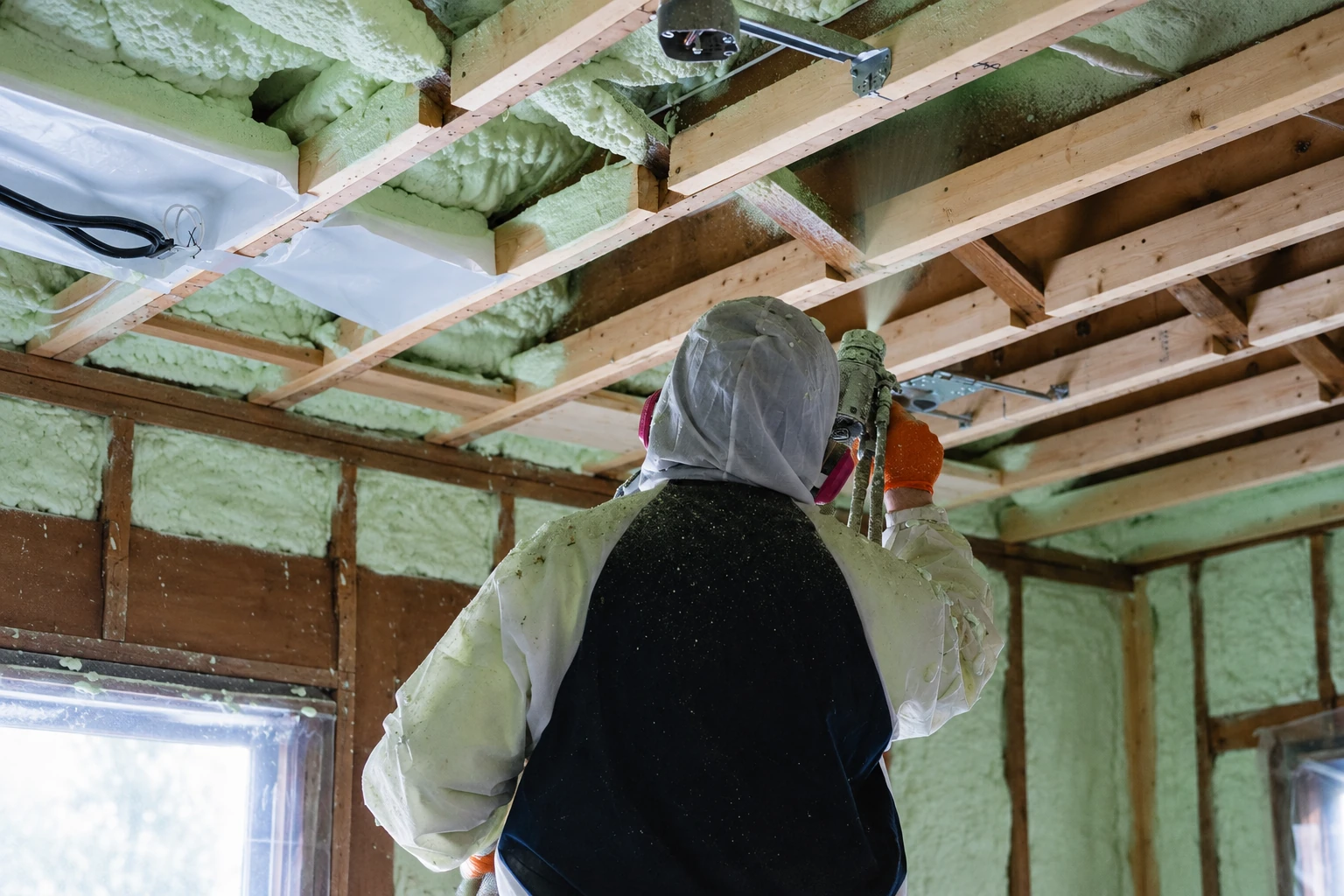
Insulation slows heat, but it won't stop a draft, so we start with air sealing, closing the gaps around can lights, pipes and the attic hatch. Skip that, and you've patched the barn roof with the door still hanging open. Then we blow in loose fill, as deep at the edges as in the middle, and keep it clear of the eave vents so the attic can still breathe. Foam costs more and seals air while it insulates. For most attics I'd seal and top up, but when your ductwork runs up there, closed-cell foam, a dense foam that also blocks moisture, is often worth the extra.
Permits, and who comes out
The city's Building Safety Department issues permits for alterations and repairs and for electrical, mechanical and plumbing work, and it inspects construction in the city. Before we start, we check with the department whether your job needs a permit, and if it does, we take care of it. We're licensed and insured. I come out to look at every job myself, and our installers do the work with me on site, so the person who walked your attic with you is there making sure the steps go in the right order. Good material in the wrong order doesn't do its job.