
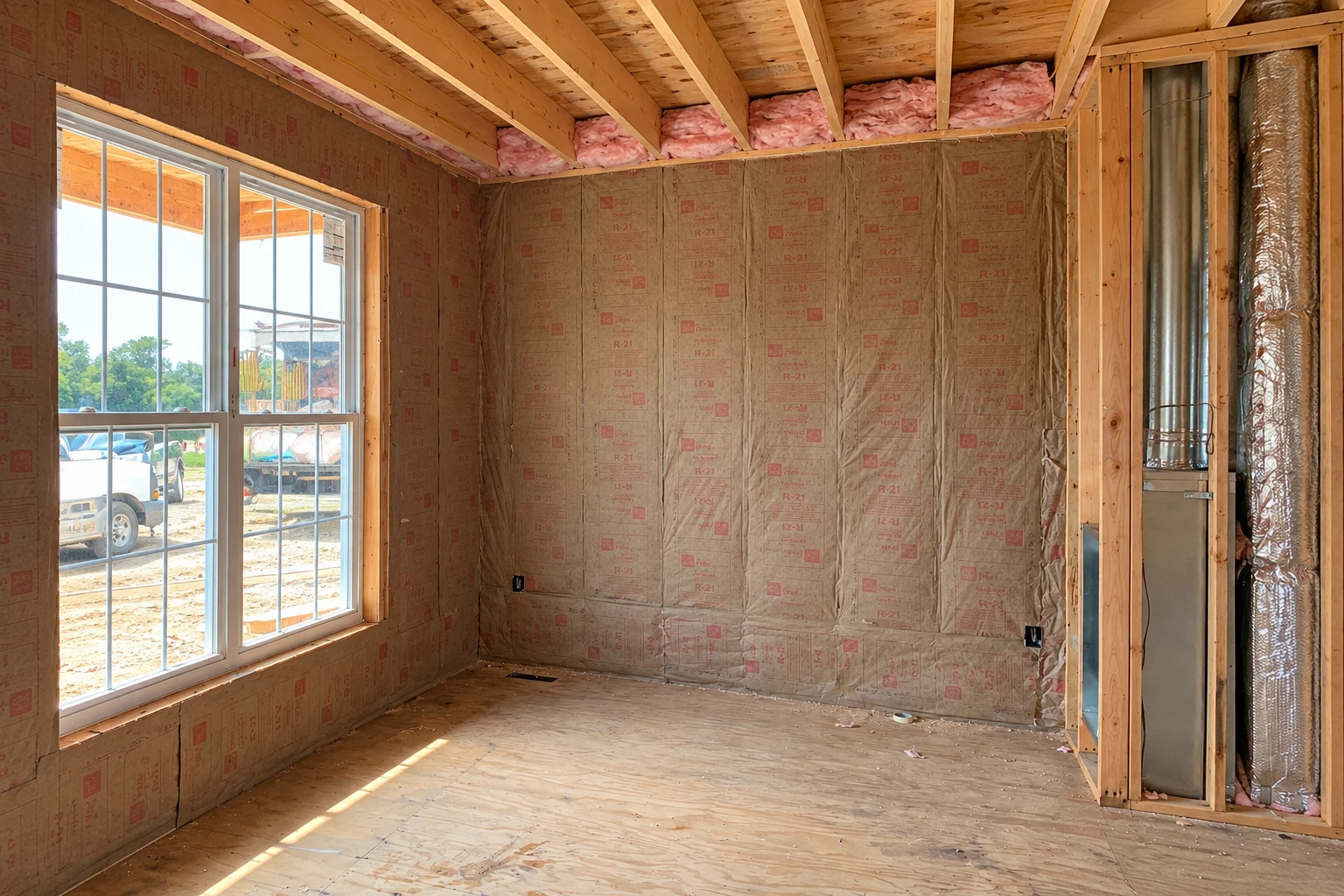
Surprise is a growing city, and you can tell from the attics. A lot of the calls we get there come from newer two-story houses where the upstairs runs hot, from the room built over the garage, and from folks who just moved into an older place, opened the hatch and found a few thin inches of settled fill. We do the same work next door in Peoria and El Mirage, and the houses there tell a lot of the same story.
Most of the houses we see here sit on a concrete slab, so the work happens overhead, in an attic with can lights, pipes and wires poking up through the ceiling and often the ductwork too. That's what shapes the job, because every one of those holes has to be closed before new insulation can do its part.
What moves the price and the schedule
Price comes down to what I find when I open the hatch. How many inches are already up there, how big the attic is and how easy it is to move around in, whether old material has to come out, and how many gaps need air sealing, which is closing them up before we insulate. Going with foam instead of loose fill raises it too. The schedule turns on the same things, plus foam's re-entry time, the wait before you can come back inside. I'll go over the written estimate with you line by line, so you know what each part is for.
When the old insulation has to come out
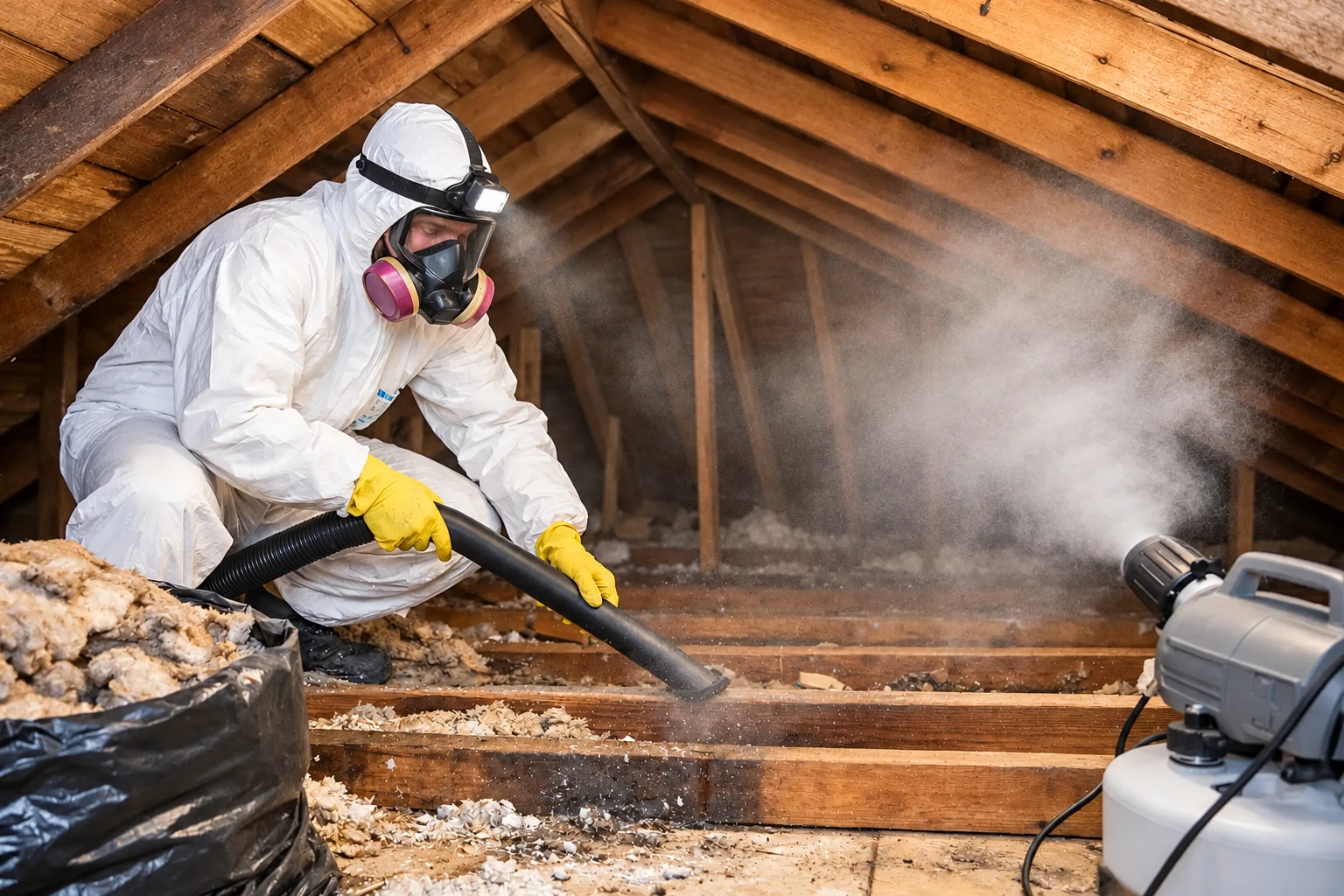
New insulation on top of old works fine when the old stuff is dry and clean. When it's been soaked by a roof leak or it's full of rodent droppings, laying fresh material over it is like throwing new straw on a wet stall, because the problem is still sitting underneath. In that case we do insulation removal first, clean up, then start fresh. While we're up there we also check the eave vents along the roof edge, since buried vents keep the attic from breathing and moisture ends up in the wood framing. Does that make sense? It's why I look before I quote.
Getting the attic ready, and why order matters
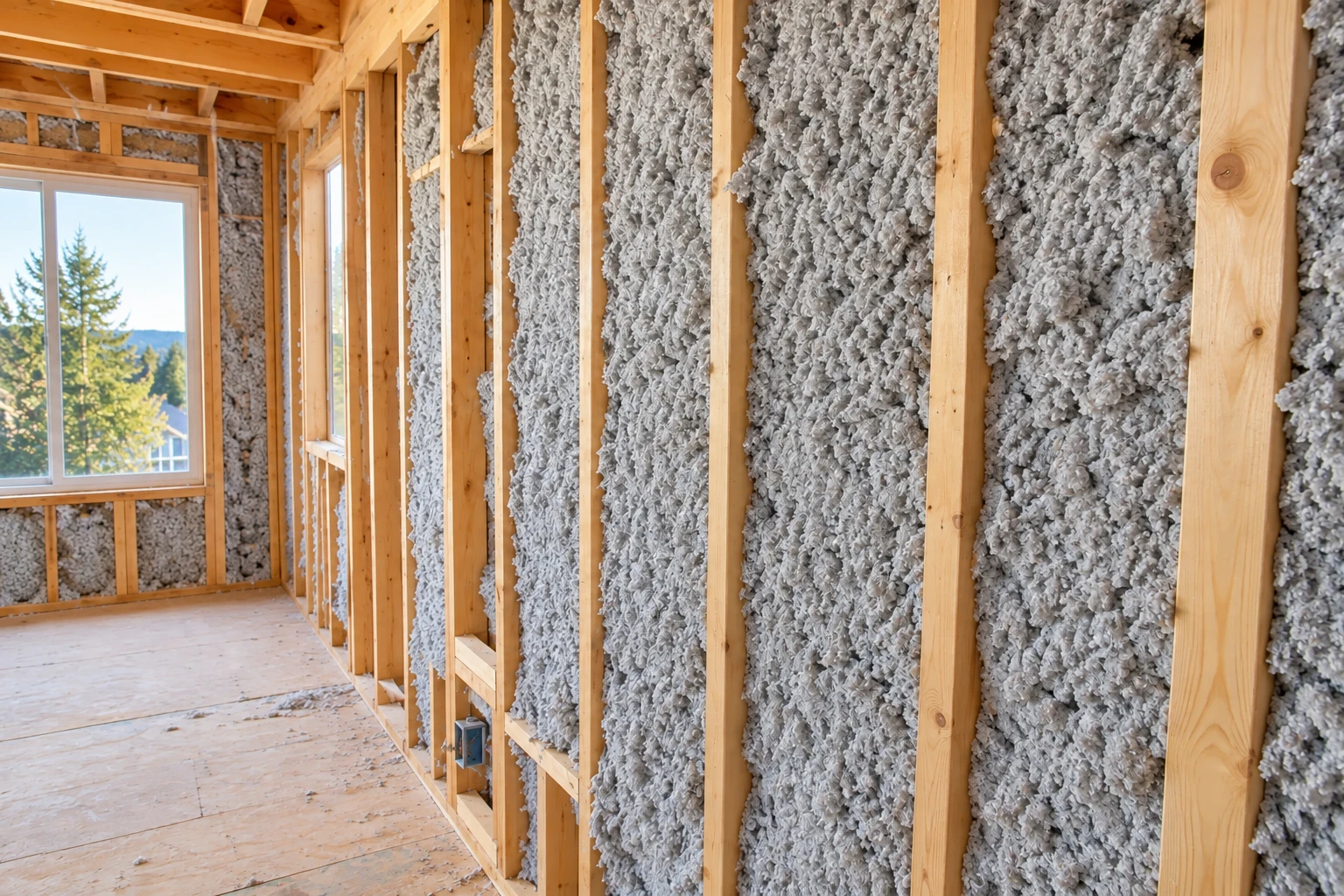
Order matters more than which material you pick. We start with the air sealing around can lights, pipes, wires and the attic hatch, because insulation slows heat but doesn't stop air from pushing through a hole. Then the blown-in goes down, which is loose fill blown through a hose, and we make sure it reaches full depth out at the edges, where a lot of attics come up thin. Before we arrive, clear a path to the hatch, which in many houses here sits in a hallway or the garage, and keep pets in a closed room so they stay out from underfoot.