
Sun City West isn't a city of its own. It's unincorporated Maricopa County, so building permits and planning here go through the county's Planning & Development office instead of a city hall.
Most calls I get from Sun City West come from folks who've been in their house a long time, or just bought one from someone who was, and the story is usually a back bedroom that stays hot or a power bill that keeps creeping up. Most of the homes we walk through are single-story, so nearly everything happens in the attic, reached through a hatch in a hallway or the garage ceiling. We do the same work in Litchfield Park and Sun City, and the pattern holds. In a house that's been lived in for decades, the insulation has usually packed down, been stepped through by a cable installer or two, and sometimes housed a mouse, so the job starts with looking, not blowing.
What moves the price and the schedule
Price comes down to a few things. How many inches are already up there and whether they're clean enough to keep, how much old material has to come out first, how many gaps need sealing, and whether we're blowing in loose fill or spraying foam. The schedule turns mostly on removal, since pulling old insulation out is the slow, dusty part, and on what the county says when we check whether your job needs a permit. I can't give you your number over the phone. I come out, look, and then go over the written estimate with you line by line so you know what each item is for.
What I look for in your attic first
I go up there myself before anyone quotes anything, and if you want to see, I'll bring you to the hatch or show you photos. I'm checking whether the old insulation is soaked or full of droppings, because fresh material over that just buries the problem. I look at the gaps around can lights, pipes and the hatch, since air sealing, closing those gaps before insulating, has to come first or the new layer fights a draft. I check that the vents along the eaves aren't buried, so the attic can still breathe. Good material in the wrong order doesn't do its job.
Choosing between foam and loose fill
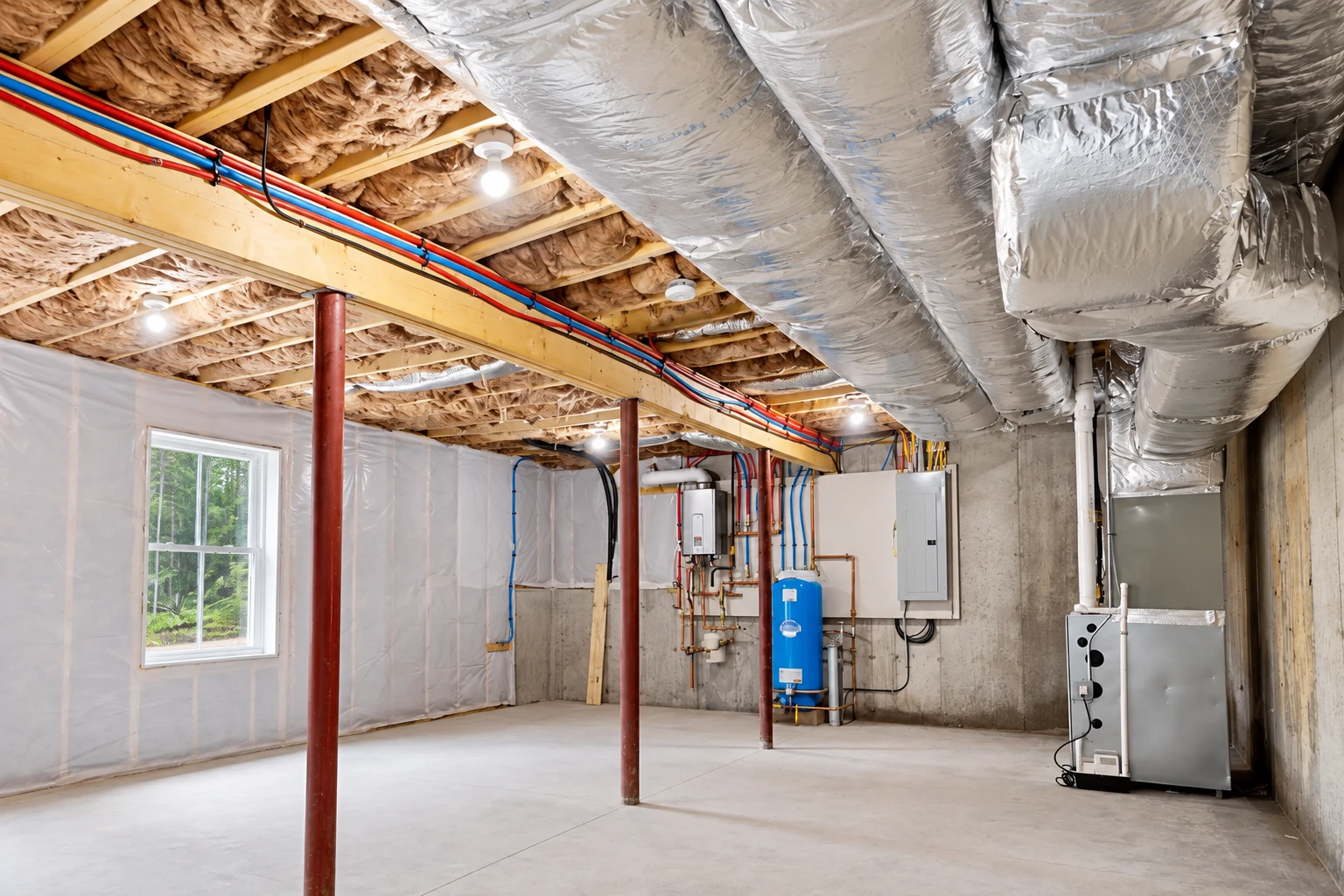
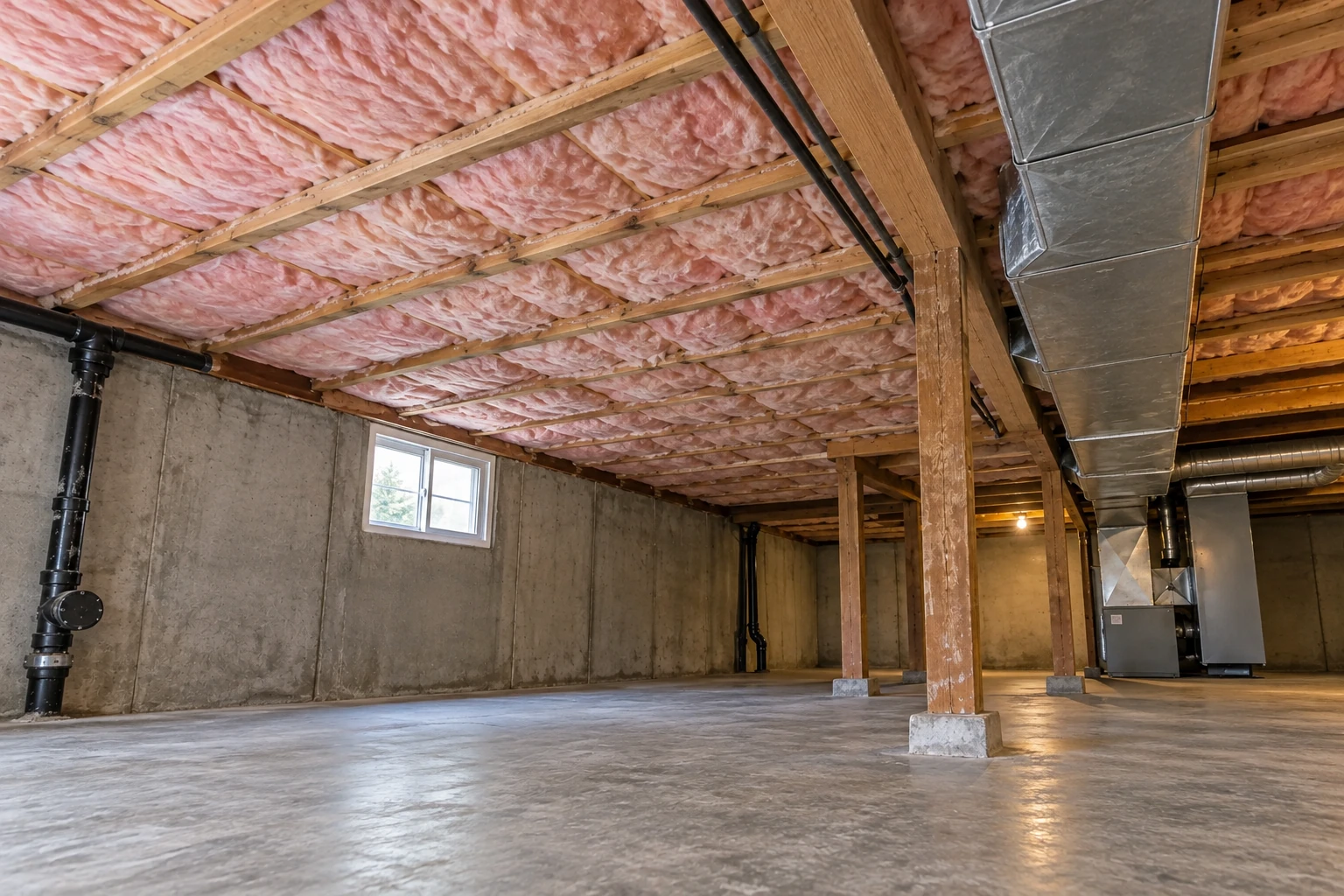
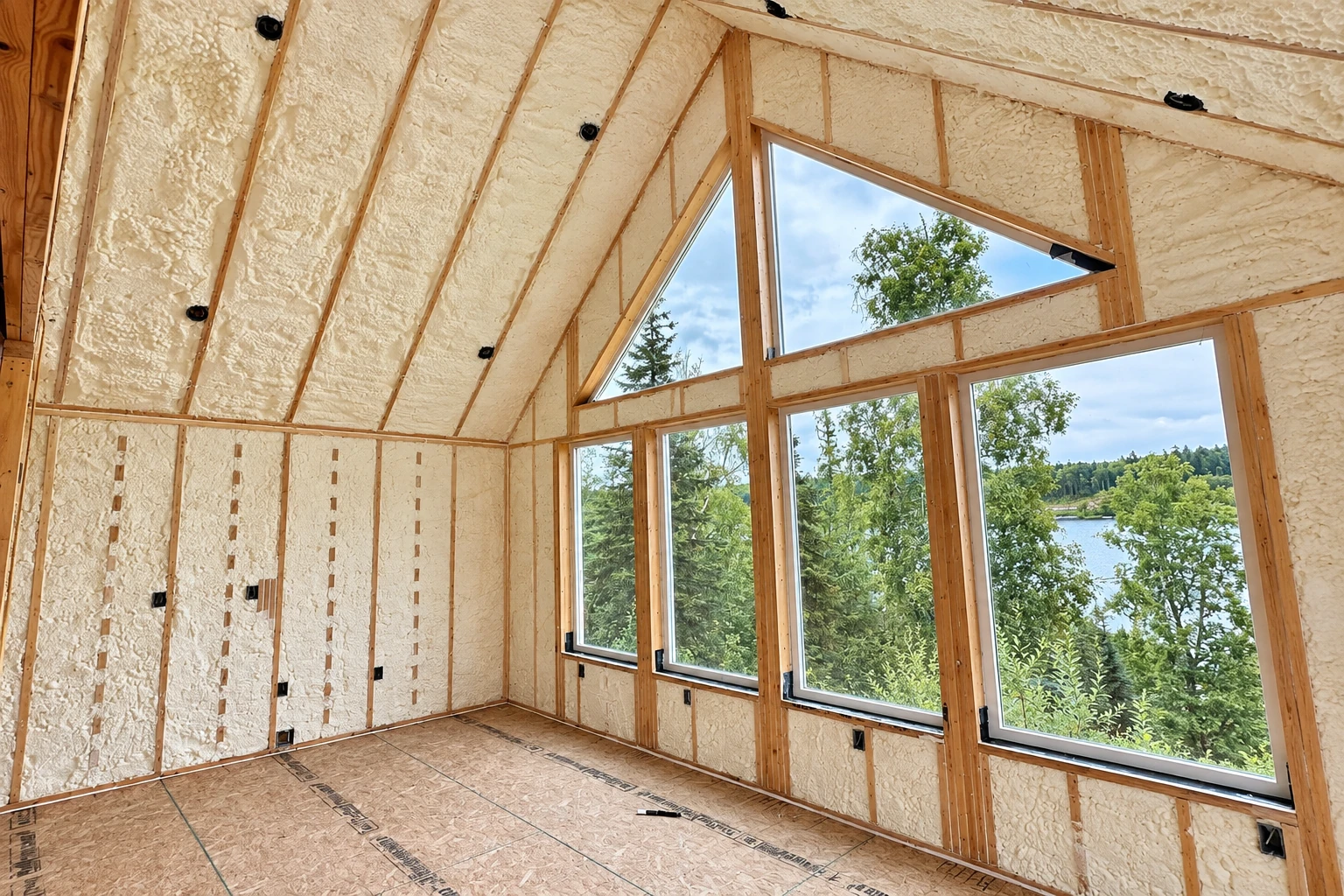
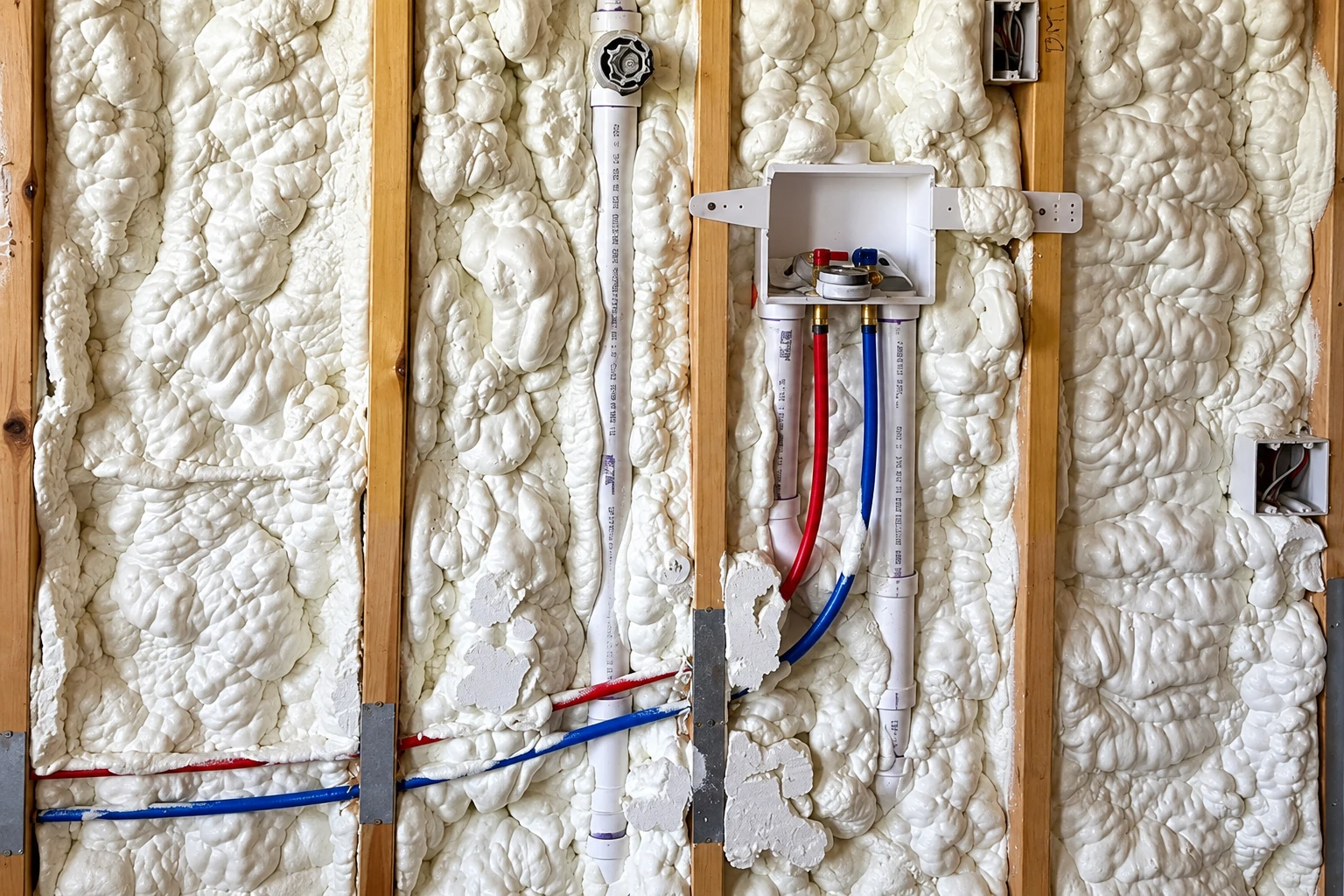
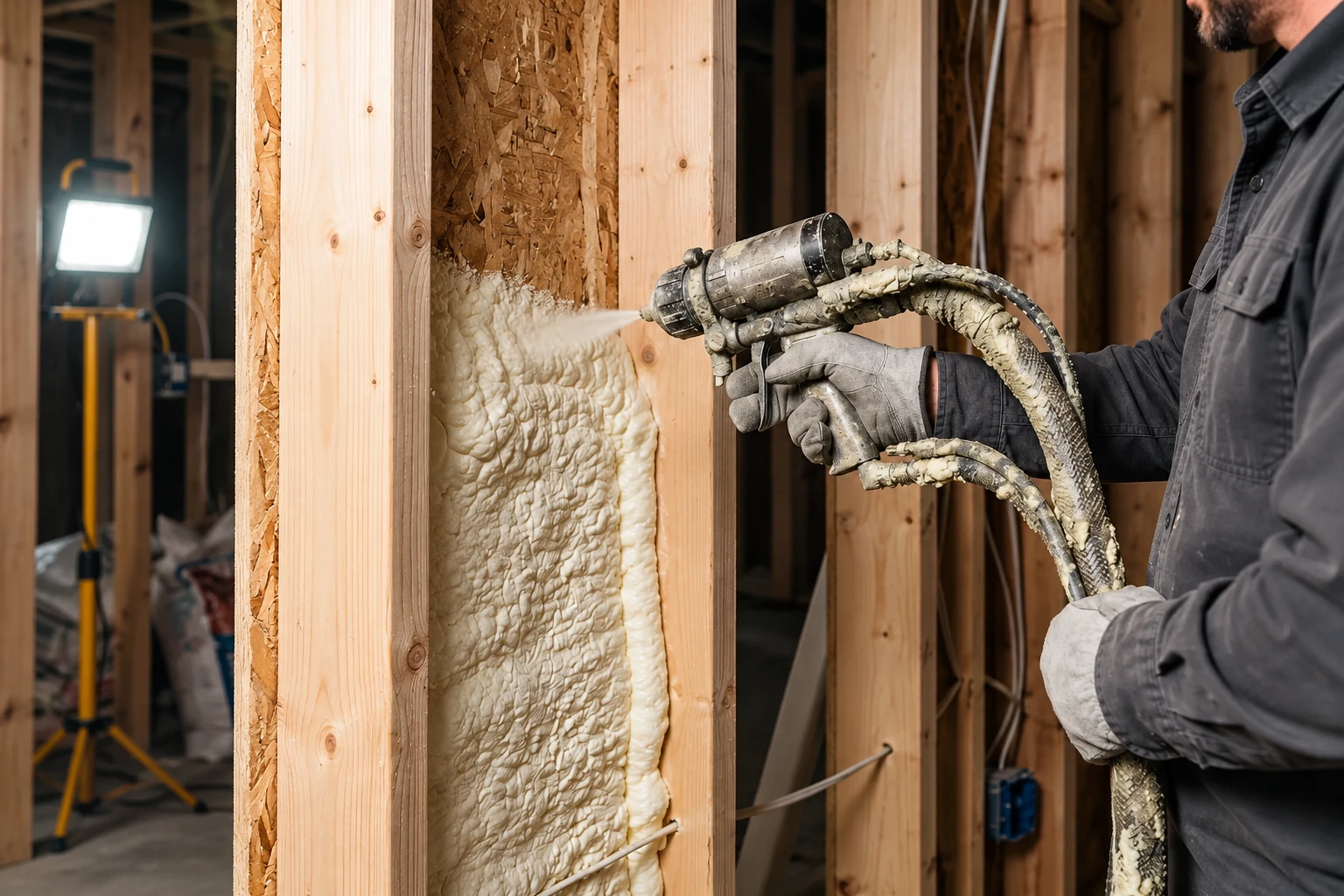
Spray foam costs more, and it seals air while it insulates. For most attics, I'd rather seal the gaps and top up with blown-in insulation, loose fill blown through a hose, because that does the job for less. Foam earns its price when your ductwork runs through the attic, since then the attic is part of how your house moves air and sealing the whole space can make sense. Think of a barn roof. If the boards are sound, you patch the holes and add what's missing, and you only start over when the roof itself is the problem. If your house has a basement or a lower room that runs cold, our basement insulation page covers that.