
I'm an insulation contractor in Buckeye, AZ, and Avondale is a short drive east, so our crew works there the same way we do at home. Most Avondale calls are about a hot room upstairs, a room over the garage that never cools off, or a power bill that keeps climbing. Plenty come from folks who just moved in and want to know what's really in the attic. The houses run from older single-story homes to newer two-story ones in the planned neighborhoods, a lot like what we see next door in Goodyear and Tolleson.
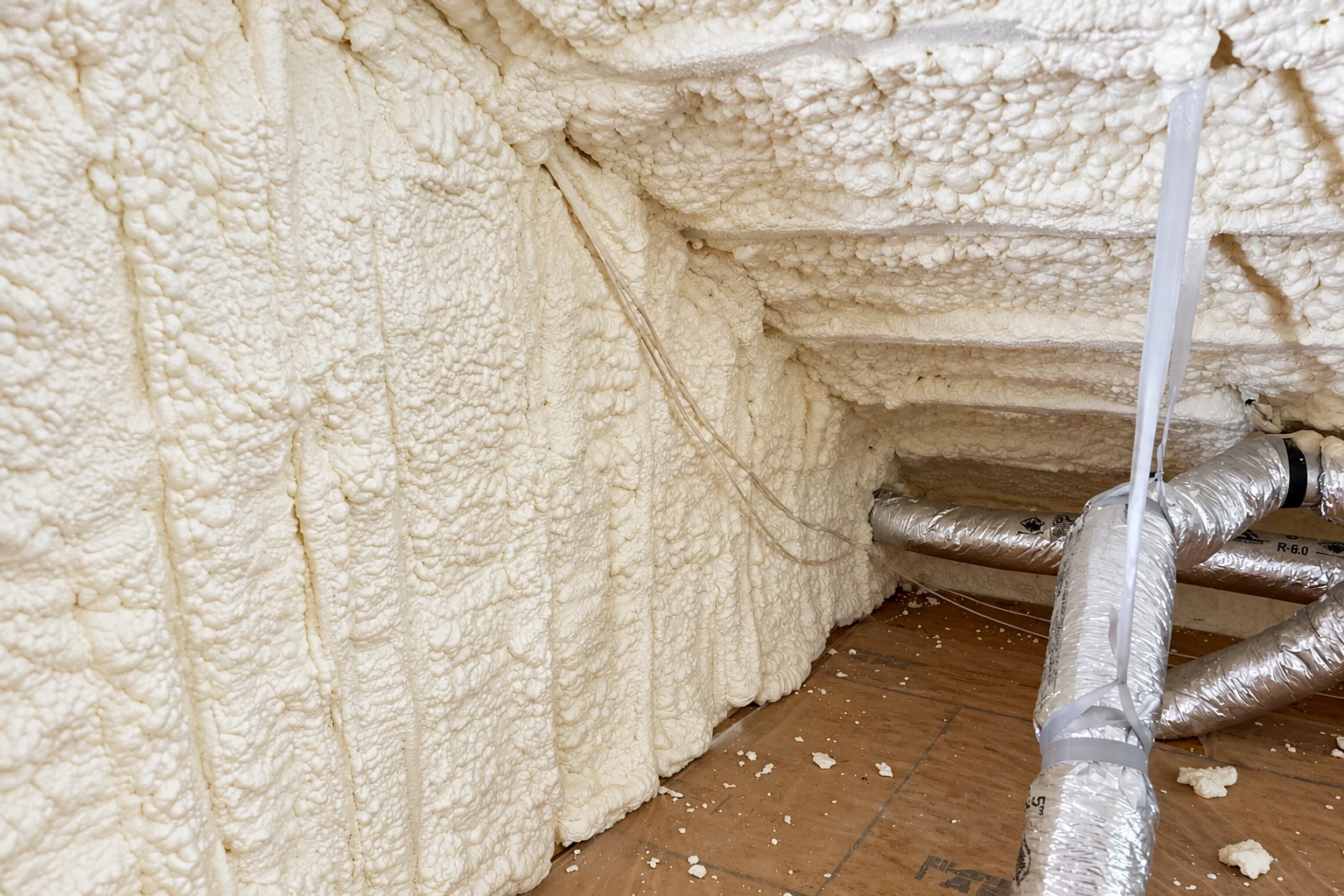
Many of these homes sit on a slab with the ductwork running through the attic, so the attic is where most of our work happens, here and up in Citrus Park. That shapes the job, because how we seal and insulate around those ducts matters as much as how deep the insulation goes.
What moves the price and the schedule
The price mostly comes down to how big the attic is, how many inches are already up there, and whether the old material can stay or has to come out first. Sealing a lot of gaps around lights, pipes and the hatch adds time, and so does choosing spray foam over loose fill. The schedule turns on those same things, plus whether the city wants a permit for your job. I come out to look at every job myself, so the estimate you get at your house gives you your own figure, not a guess over the phone.
We seal the gaps before we add more
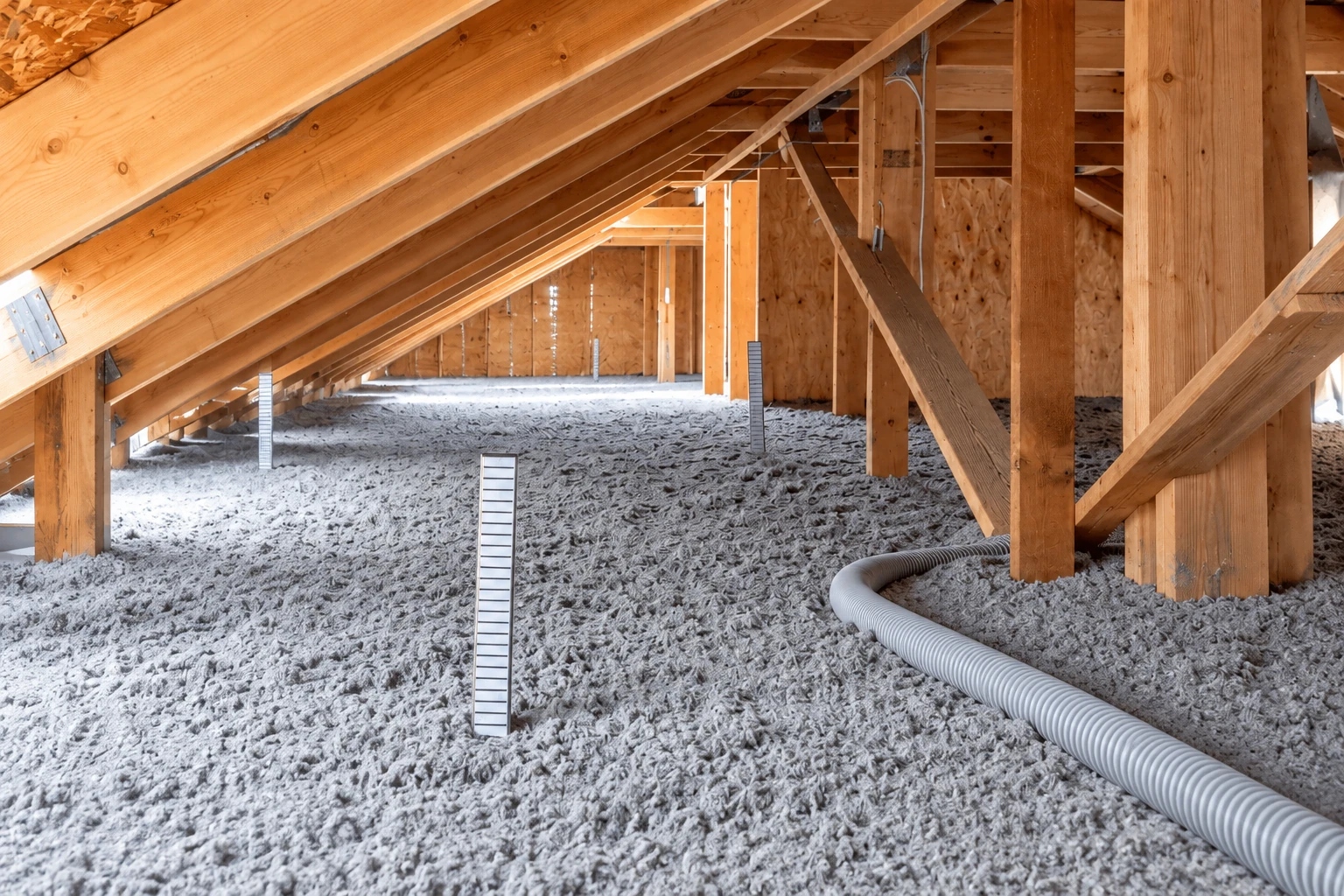
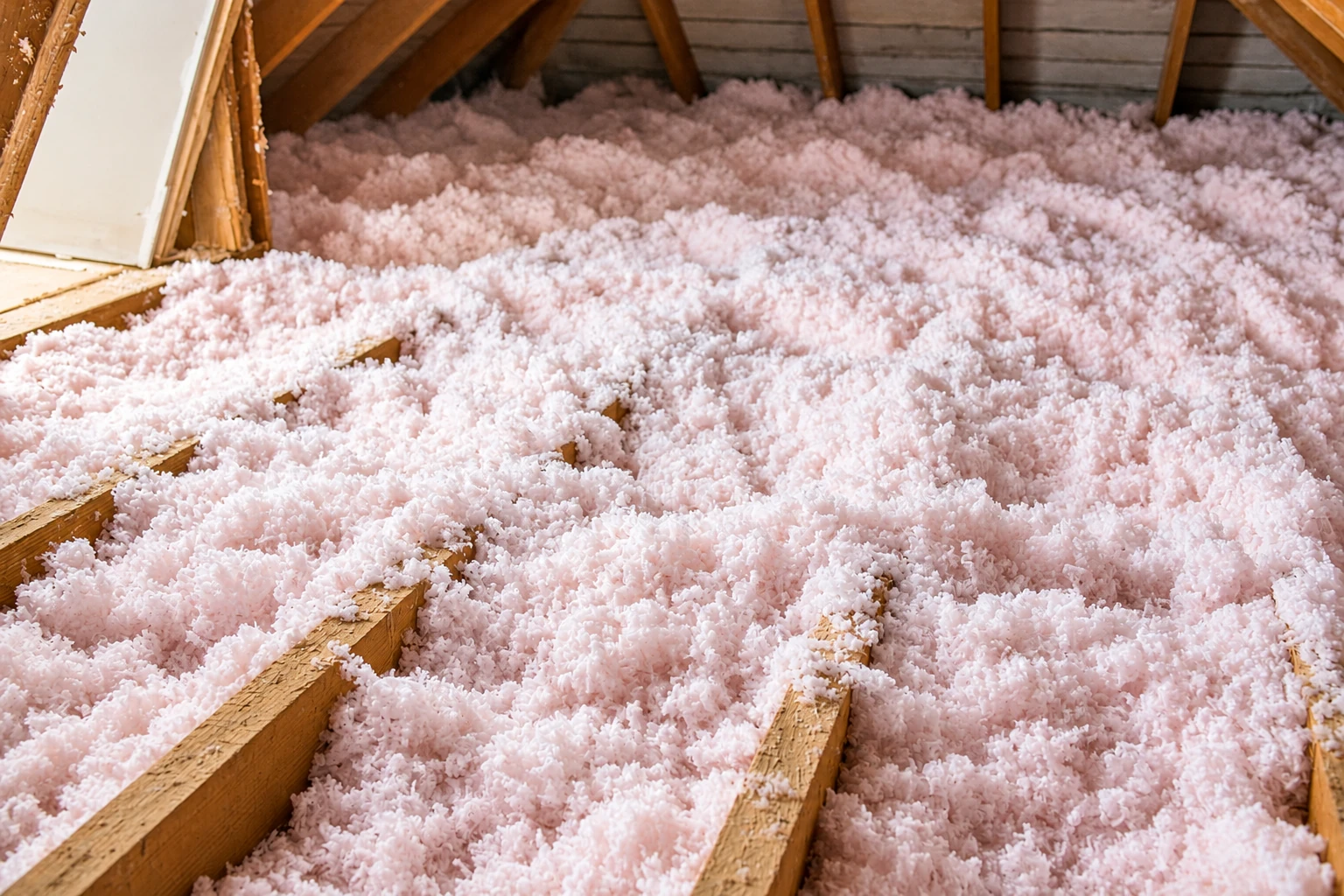
Insulation slows heat, but it doesn't stop air, so a gap around a can light or the attic hatch keeps leaking no matter how deep you pile it on. That's why we do air sealing first, closing those gaps, and then lay down blown-in insulation, loose fill blown through a hose. Same as on a barn, you patch the holes before you worry about the boards. We keep the eave vents clear so the attic still breathes, and we build the edges up as full as the middle, since the thin spot over the outside walls is where heat sneaks in.
Getting your attic ready for our crew
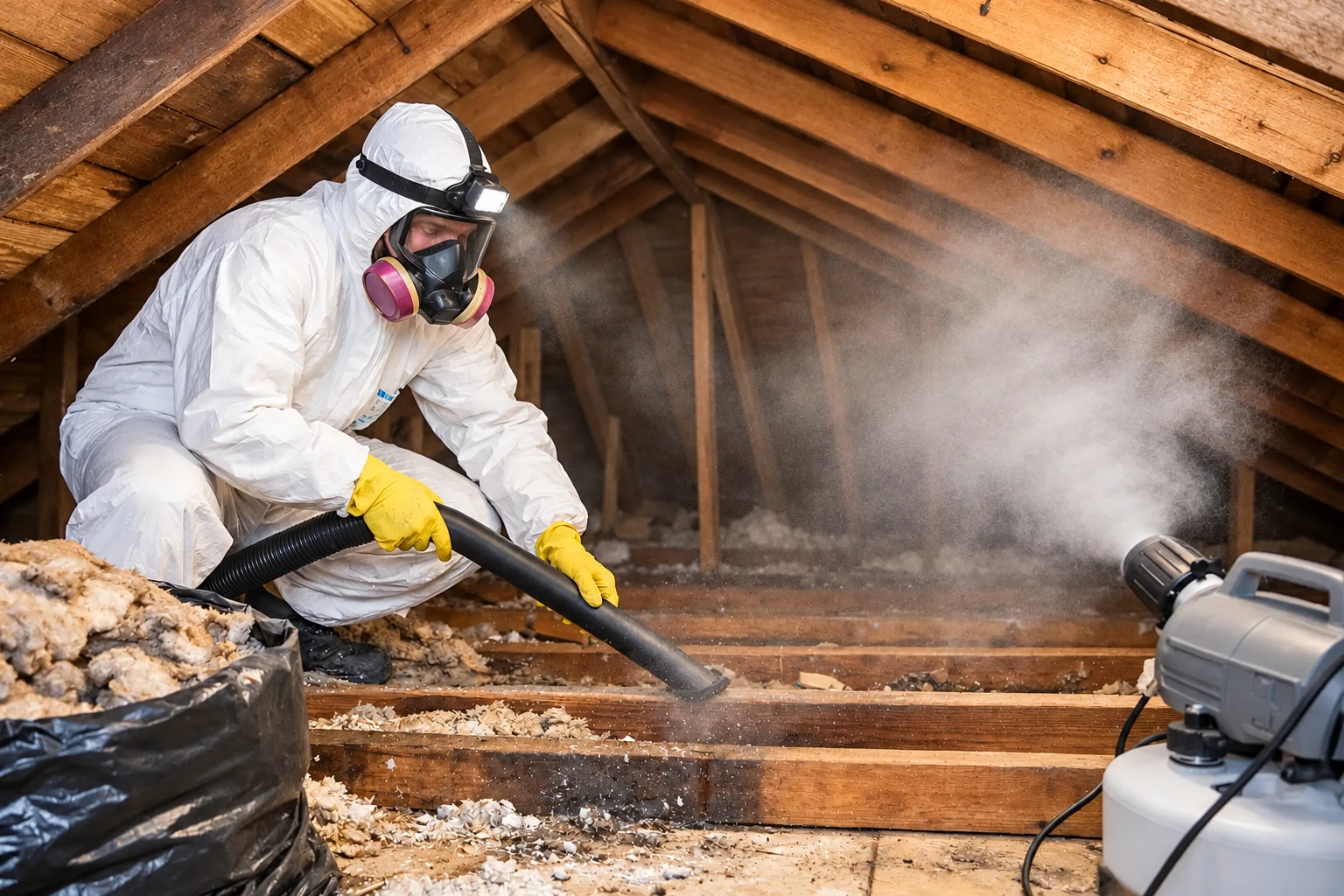
Most attics here open through a hatch in a hallway ceiling or the garage, so it helps to clear a path under it and move anything stored right below. If the old insulation got soaked from a roof leak or is full of droppings, we pull it out first, because new material laid on top just hides the problem. I'm on site with our installers while they work, and if we find something up there that changes the plan, I'll come down and show you before we go on. I'd rather take an extra half hour than have you sign off on work you don't follow.