
Most of the houses we walk into in Sun City went up between 1960 and 1978, so the attic over your head has had decades of summers to wear down whatever went in at the start. A lot of them are single-story, which puts nearly every room right under the attic. When that attic is thin or leaky, you feel it in the bedrooms by midafternoon and see it on the power bill. Many people here are home through the day, so they feel the worst of a hot afternoon in full.
Sun City borders Peoria, Surprise, Youngtown and El Mirage, and from the street you can't always tell where one ends and the next begins. That's why I ask for your address on the first call, since it tells us which office to check with. After that, the age of your house and what's already in the attic decide most of the job.
Look at what's up there first
Before we add anything, I go up and see what's already in your attic, because in a house this age the old insulation has often settled thin, been soaked by an old roof leak or filled up with droppings. Putting fresh material over that is like patching a barn roof over rotten boards. The rot is still there. I measure how many inches you have, check the edges down by the eaves, and take photos so you can see it all from the ground. If it's clean and dry, we build on it. If it isn't, it comes out first.
What moves the price and the schedule
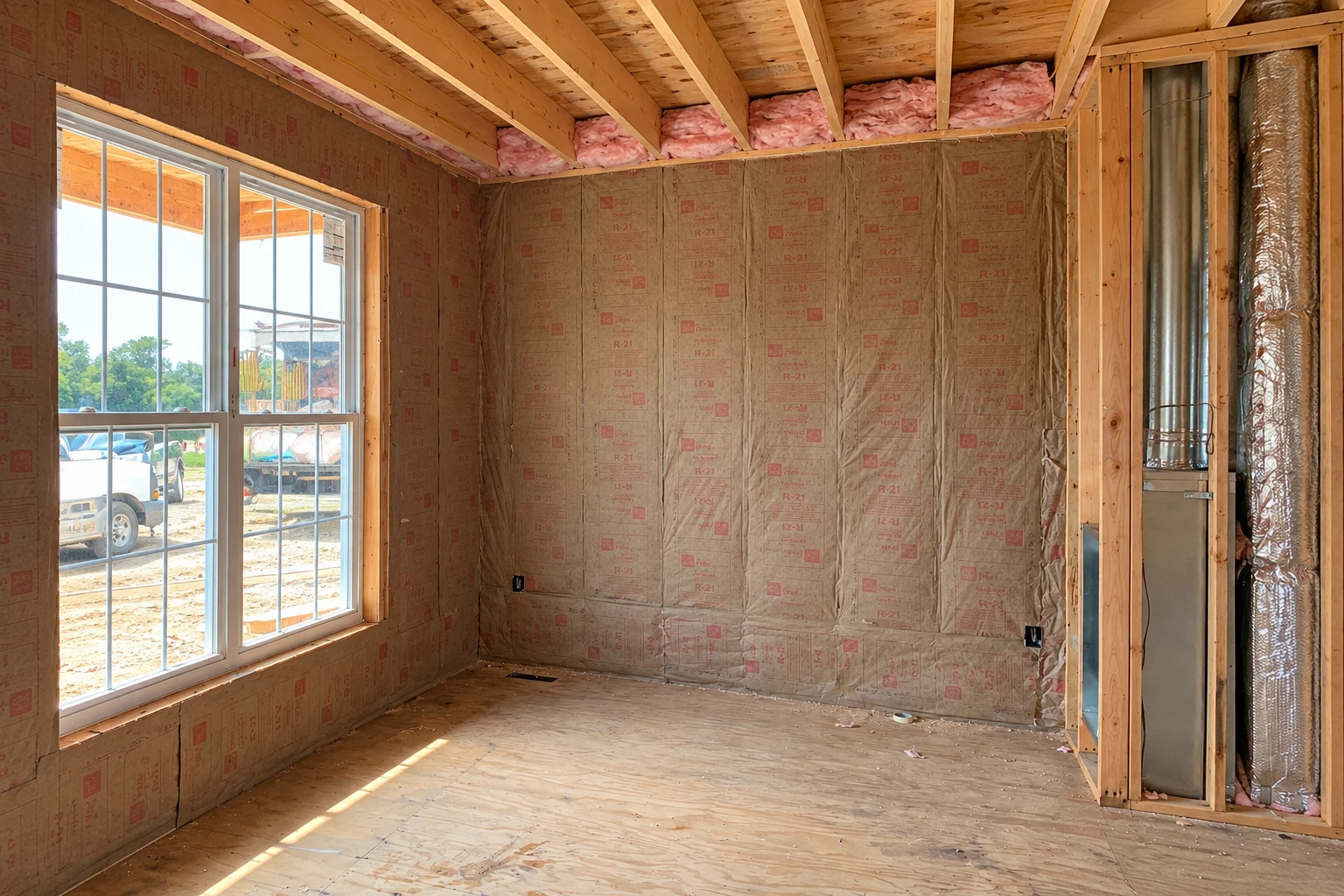
The price mostly turns on how big your attic is and how easy it is to reach, whether the old insulation can stay or has to come out, and how many gaps need sealing before anything goes on top. Removal moves it the most, because it's a second job in itself. Choosing foam, or adding wall insulation for a room that bakes every afternoon, raises it too. The schedule turns on those same things plus our permit check with the county. Your own figure comes on the written estimate, and I go over it with you line by line.
Seal the gaps before adding insulation
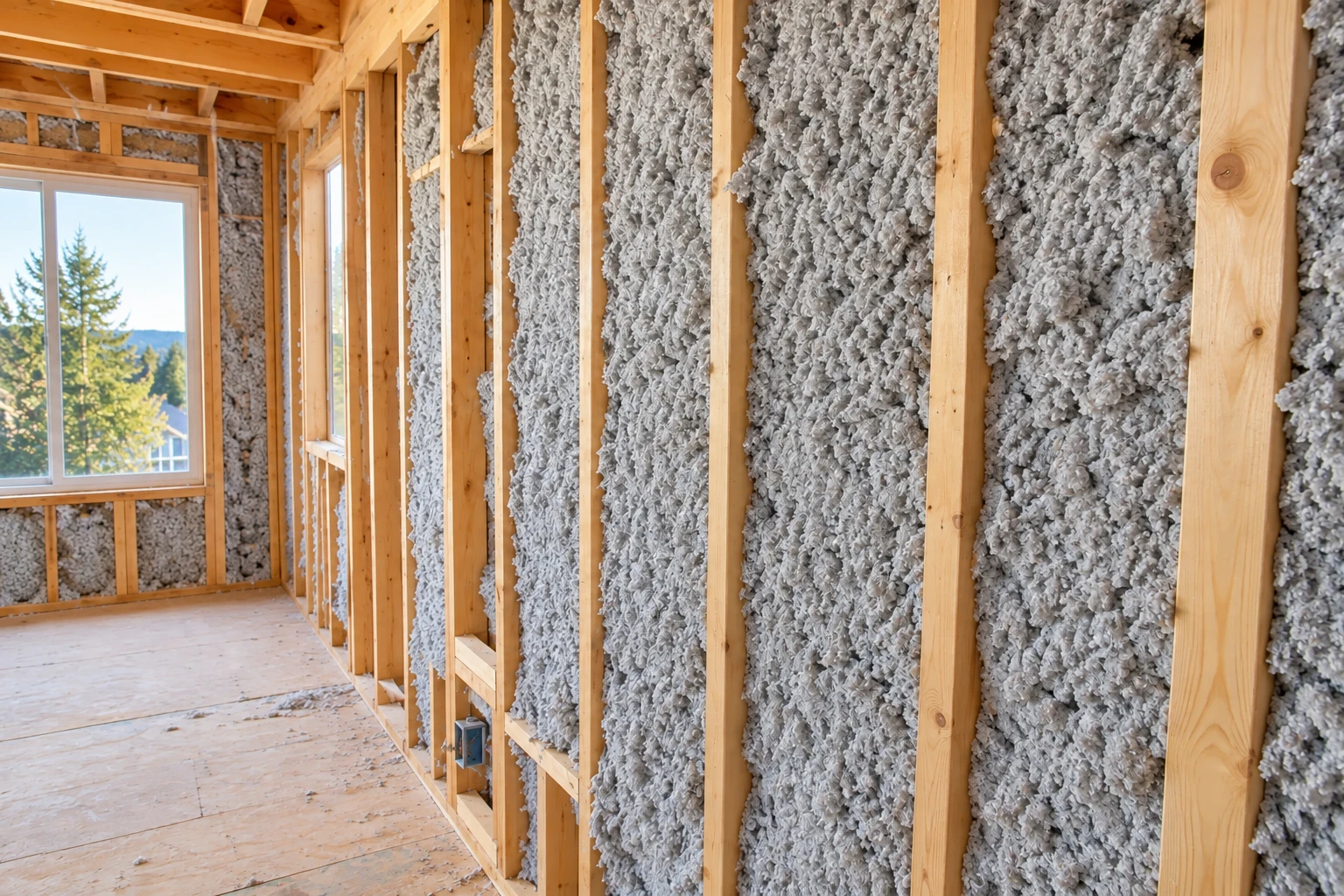
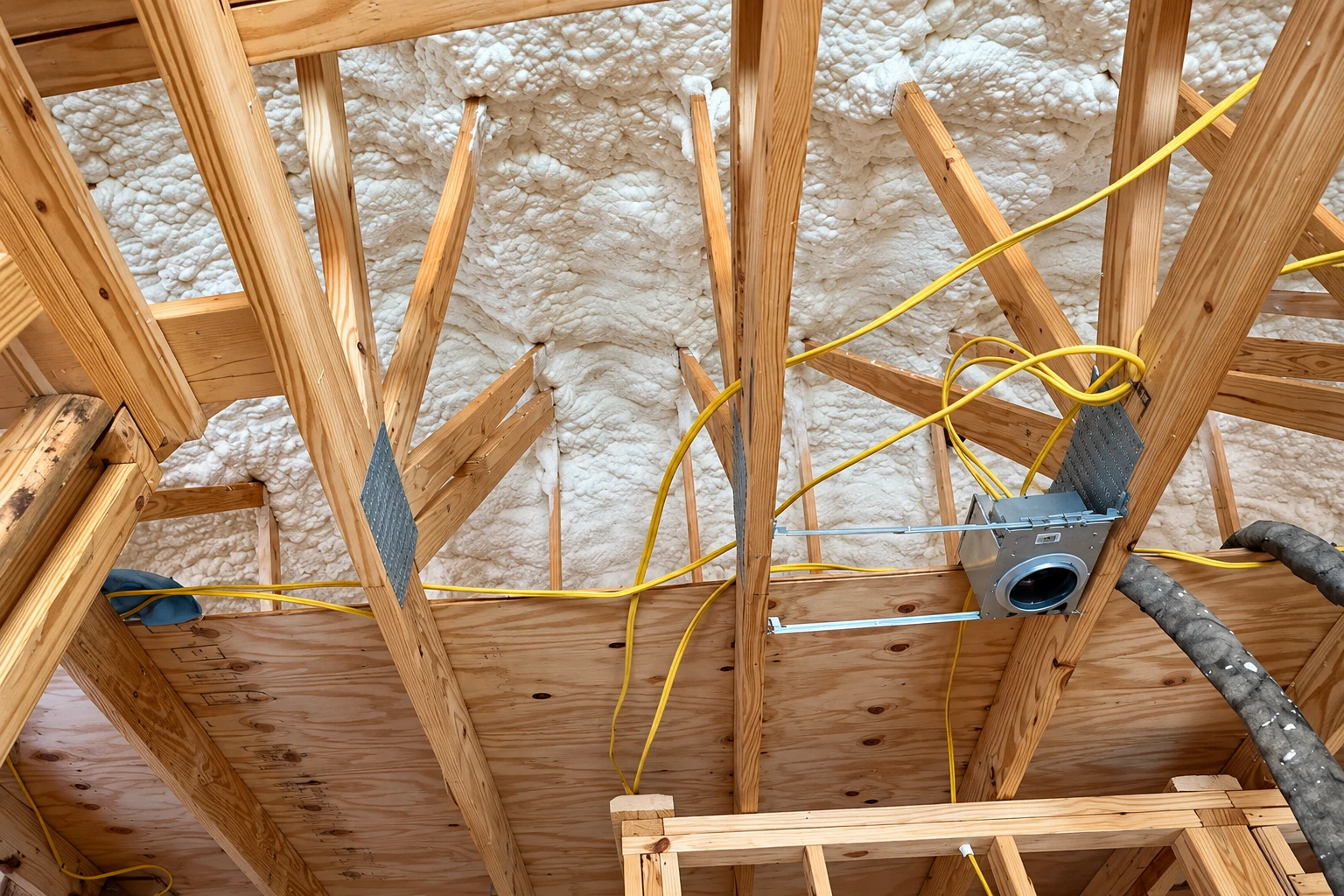
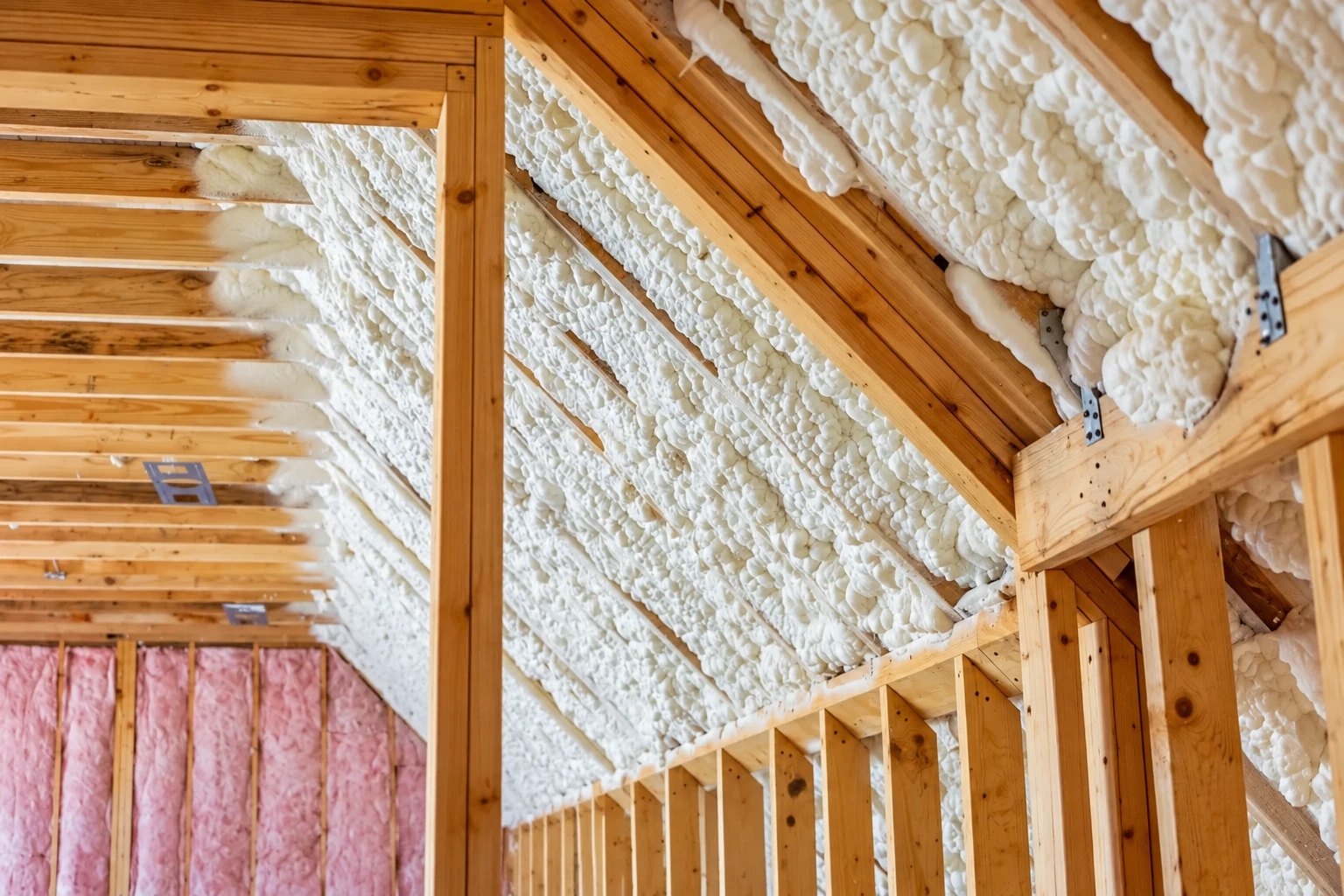
We start with air sealing, which means closing the gaps around light fixtures, pipes and the attic hatch, because insulation laid over an open gap spends all summer fighting a draft. Then we keep the eave vents clear so the attic can still breathe, and we spread blown-in insulation, loose fill sent up through a hose, evenly out to the edges. Does that make sense? Order matters more than material. Spray foam costs more and seals while it insulates, but sealing and topping up loose fill is usually the better buy. If your ductwork runs through the attic, foam starts to earn its cost, and I'll show you why.