
Wall insulation in Buckeye AZ - walls filled snug, holes sealed and rooms left clean
Hot rooms and a big power bill can come from walls with nothing inside. We check how yours are built, then fill them properly.
I look at every job myself
I come out to see your walls before anyone quotes you a price, and I'm still on site when our installers do the work. The person who explained the job to you is right there if a question comes up.
Running this business since 2023
I learned insulation working on other crews, then started this business in Buckeye in 2023. I grew up on a farm, where you fixed what broke yourself, and I still take the time to show you why each step matters.
Licensed and insured, one call away
We're licensed and insured, and glad to show you the paperwork before work starts. When you're ready, call (602) 325-8993 or use our contact form, and we'll set up a time to come look.
Wall insulation for Buckeye homes
Wall insulation in Buckeye means getting insulation into your outside walls, most often by filling the hollow space between the studs without tearing the walls open. It's for hot rooms, high power bills and older houses built with empty walls.
Most calls I get about walls start with a room that never cools down, or a power bill that keeps creeping up even though the attic looks fine. When the walls are empty, heat comes through them no matter what's overhead. It's like a barn with a good roof and gaps between the siding boards, where fixing the top only gets you so far. The first thing I need to know is how your walls are put together.
What moves the price is how much wall we're filling, the material you choose, whether we work from inside or out, and anything that has to be fixed first, like old wiring. The schedule turns on those same things and on whether your job needs a permit. Your written estimate spells out each of those for your house. Ask any contractor you're comparing about a Buckeye business license, since most companies working inside city limits need one.
How we handle wall insulation
First, how your walls are built
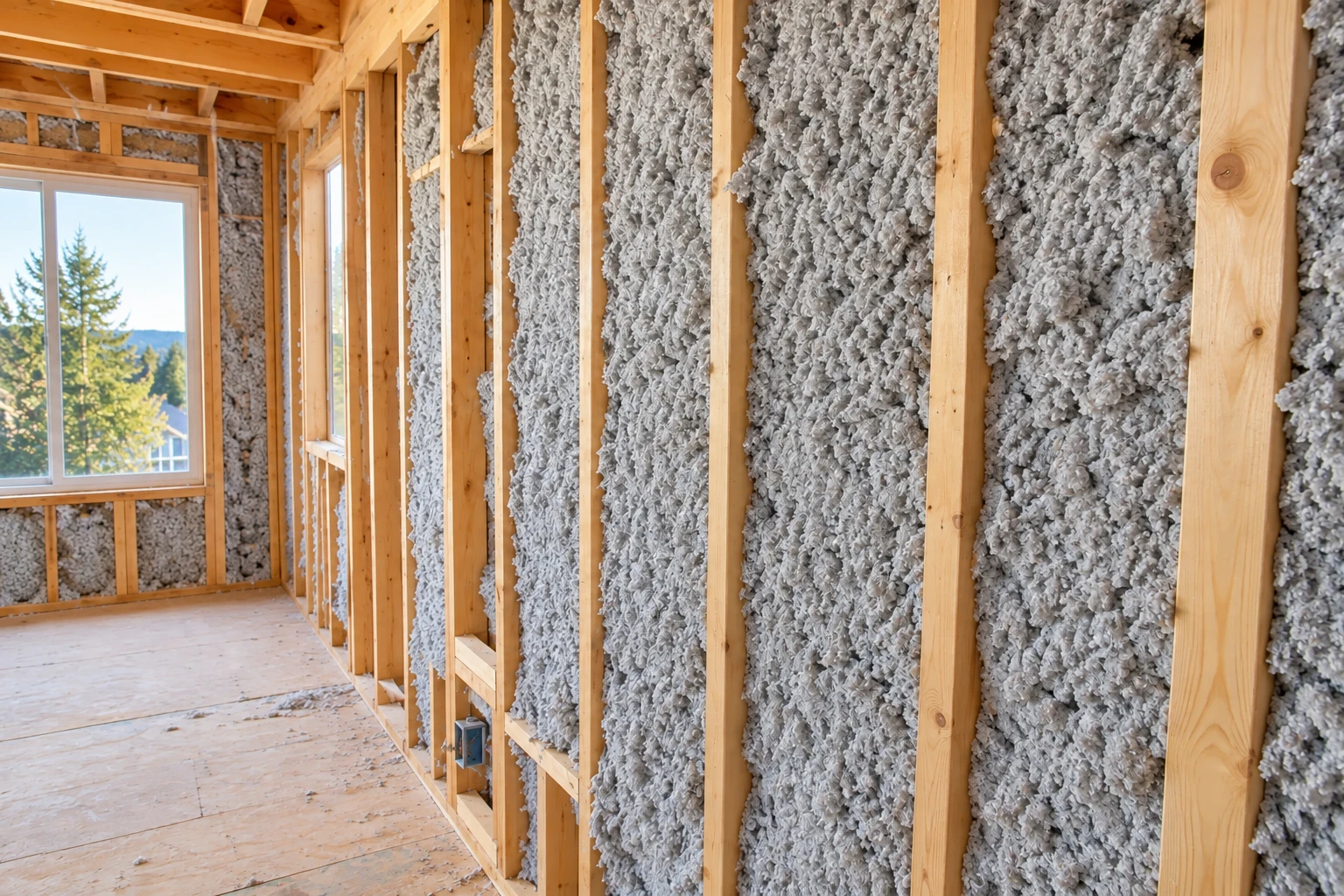
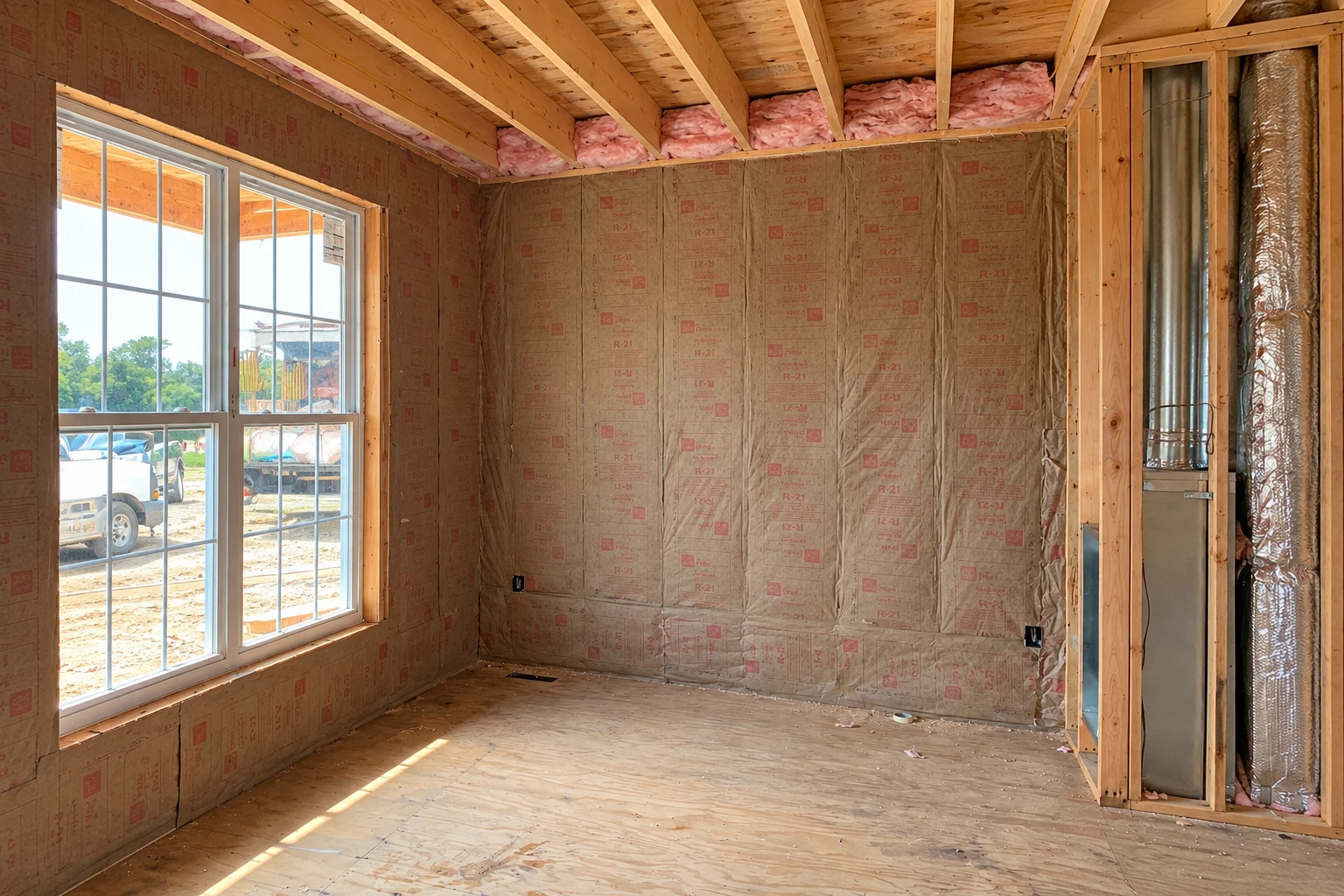
Before we talk material, I need to know what's inside your walls, because that decides whether we can fill them at all. Most framed walls have a stud bay, the hollow gap between studs, and that's what we fill. Solid brick, block or log walls with no framing added inside have nowhere to put it, so insulation goes on the inside or outside face instead, more like our basement insulation work. A cavity used as a heating or cooling duct stays empty, since the cellulose industry's own practices say to leave those unfilled.
Picking between cellulose and foam
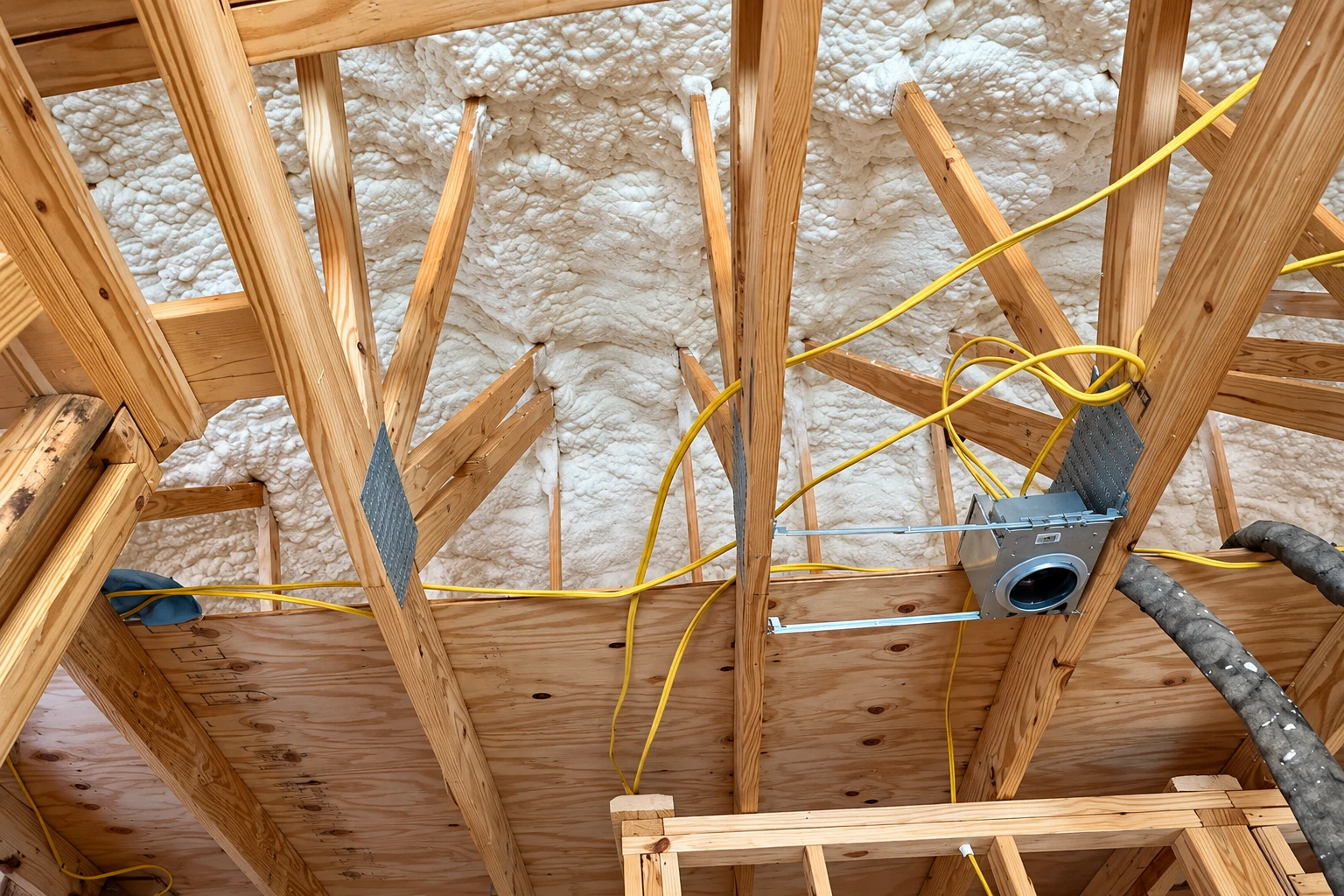
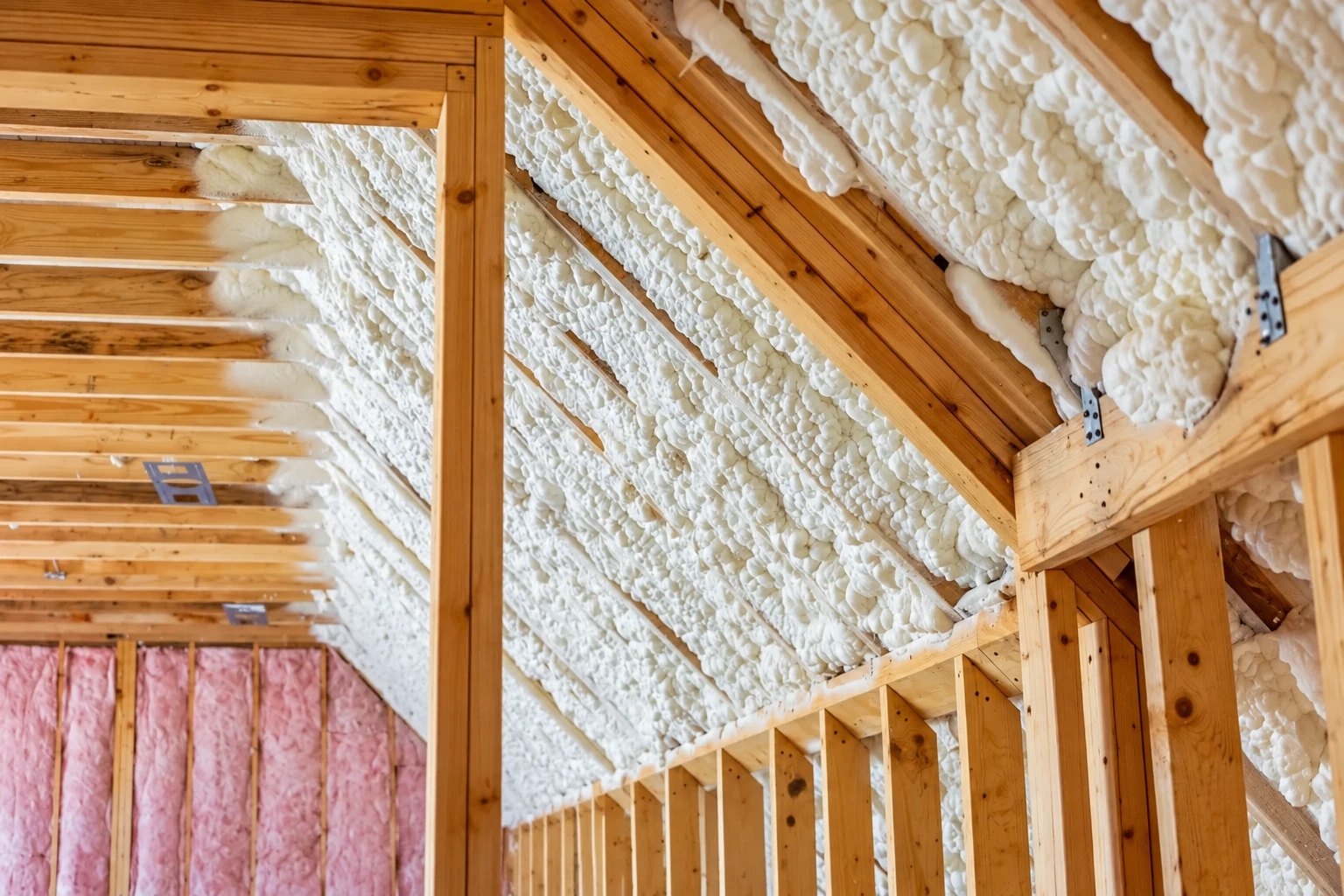
Once I know the walls can be filled, we talk material. One insulation company's guide says dense-pack cellulose, loose fiber packed in tight, costs less but needs bigger holes, while injection foam costs a little more, needs smaller holes and stops air leaks as it fills. If drafts bother you most, I usually lean toward foam, and if the budget's tight, cellulose does the job. Either way we seal the gaps first, like our air sealing services, and the fill has to pack each cavity full and dense enough not to settle into empty pockets.
Handling the holes and the dust
Most folks worry more about the mess than the insulation, and that's fair. When the work goes in from inside, national installer guidance calls for protecting the floors and closing off the work area so dust and debris don't spread through the house. From outside, the same guidance has the installer plug and seal every access hole and repair the wall's water barrier, the layer that keeps rain out of the framing, where there is one. At the estimate, I'll tell you which side makes sense for your walls and why.
Get a written estimate for your walls
We'll get back to you within one business day to set a time, and I'll come out to look at your walls myself. The estimate is free, done at your home, and there's no pressure to book.
(602) 325-8993What happens after you call
I come out and look
When you call, I come out myself and look over your walls, and the attic or crawl space if they matter, taking photos as I go. That way I can show you what's in there instead of just telling you.
Problems first, then the estimate
We check what has to be dealt with first, like old wiring, old insulation, roof leaks and gas appliances, because good material in the wrong order won't do its job. Then you get a written estimate, and I go over it line by line.
Seal, fill and walk through
If you go ahead, we seal the gaps, put the insulation in and close up the holes. Before we pack up, I show you the finished work, so you understand what's in your walls and why it's there.
Wall insulation questions from Buckeye homeowners
Can my walls be insulated without tearing them open?
Usually, yes, as long as there's hollow space between the studs to fill. We drill small holes, blow the insulation in and seal the holes, a method called drill and fill that national energy guidance calls common for older homes with uninsulated walls. That guidance is national, so I still look at your walls before saying it fits your house.
Should I insulate my walls when I replace my siding?
Yes, if you're re-siding anyway, because the bare walls are already open and adding a continuous layer of insulation on the outside costs only a little more than the siding. National guidance puts the energy payback often between 5 and 10 years, and the comfort and quieter rooms show up right away. Those are national figures, not Buckeye ones.
Do I need a permit to insulate walls in Buckeye?
The city's permit list doesn't name wall insulation, so it's worth asking before work starts. Buckeye's Permit Center handles permits to alter, repair or improve any building, and it asks anyone unsure to get in touch by email or phone. We check with the office for your address first, and if a permit's needed, we take care of it.
What should I tell you before a wall insulation estimate?
Tell us how you think your walls are built, where any built-in shelves or cabinets are, and whether new siding is in your plans. Built-ins need their own entry holes, and soft or weak spots in inside walls need reinforcing or filling with less pressure, so pointing them out early saves surprises once the drill comes out.