
Retrofit insulation in Buckeye AZ - a sealed attic, covered evenly to the edges
Hot rooms upstairs and a high power bill usually trace back to thin, patchy attic insulation. We seal the gaps and top it up evenly.
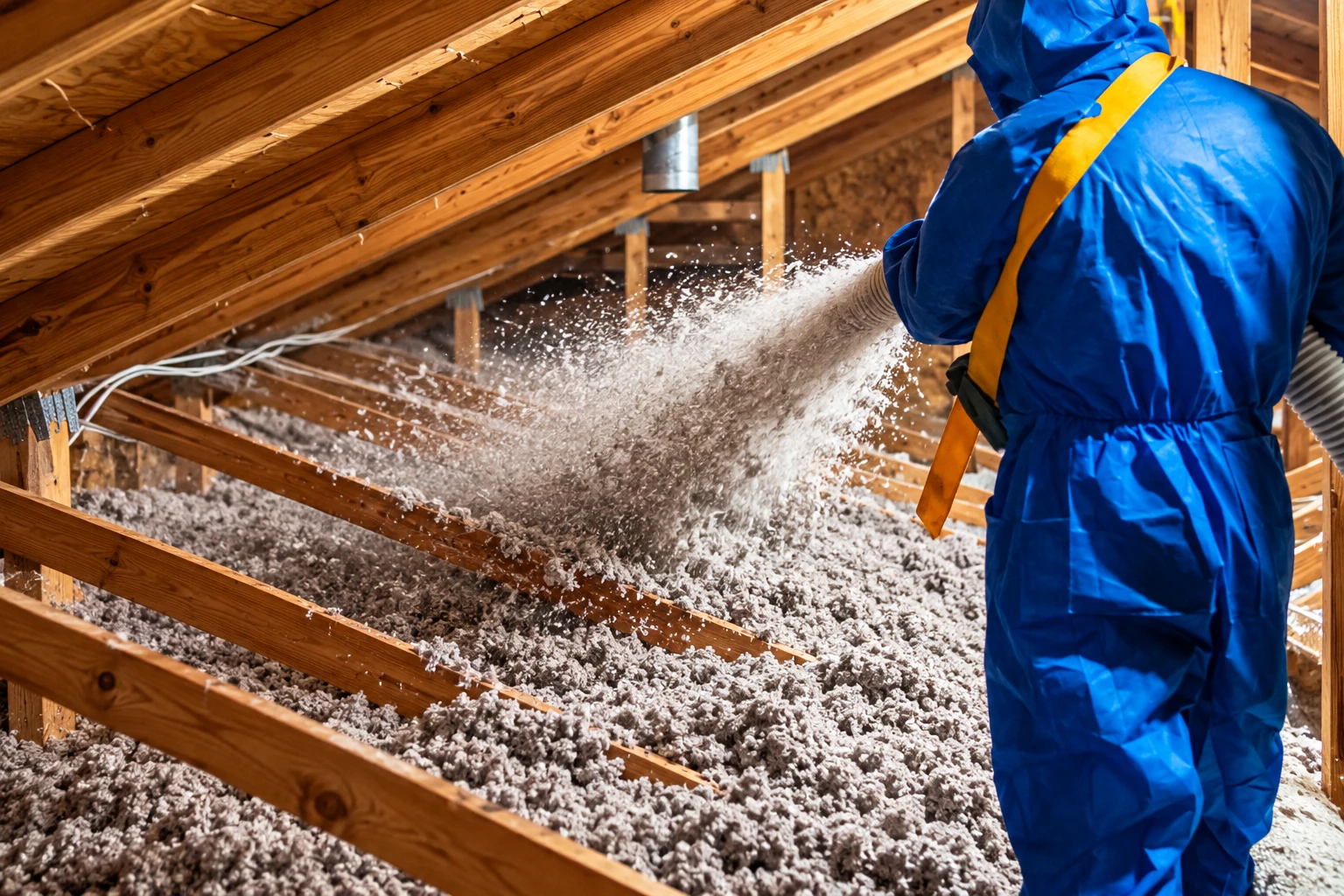
I look at every attic myself
I come out to look at every job myself, so you hear what's going on up there from the person who'll answer for it. Our installers do the work with me on site, so the plan doesn't get lost between the estimate and the job.
Licensed and insured in your attic
We're licensed and insured, which matters when a crew is working over your ceilings and around your wiring. Satisfaction guaranteed on every job, and if something in the plan doesn't sit right with you, say so before we start.
Questions answered before work starts
I started this business in 2023 after learning the trade on other crews, and I'd rather spend an extra half hour explaining your attic than have you sign off on work you don't follow. Call (602) 325-8993 to set up a look.
Retrofit insulation for Buckeye homes
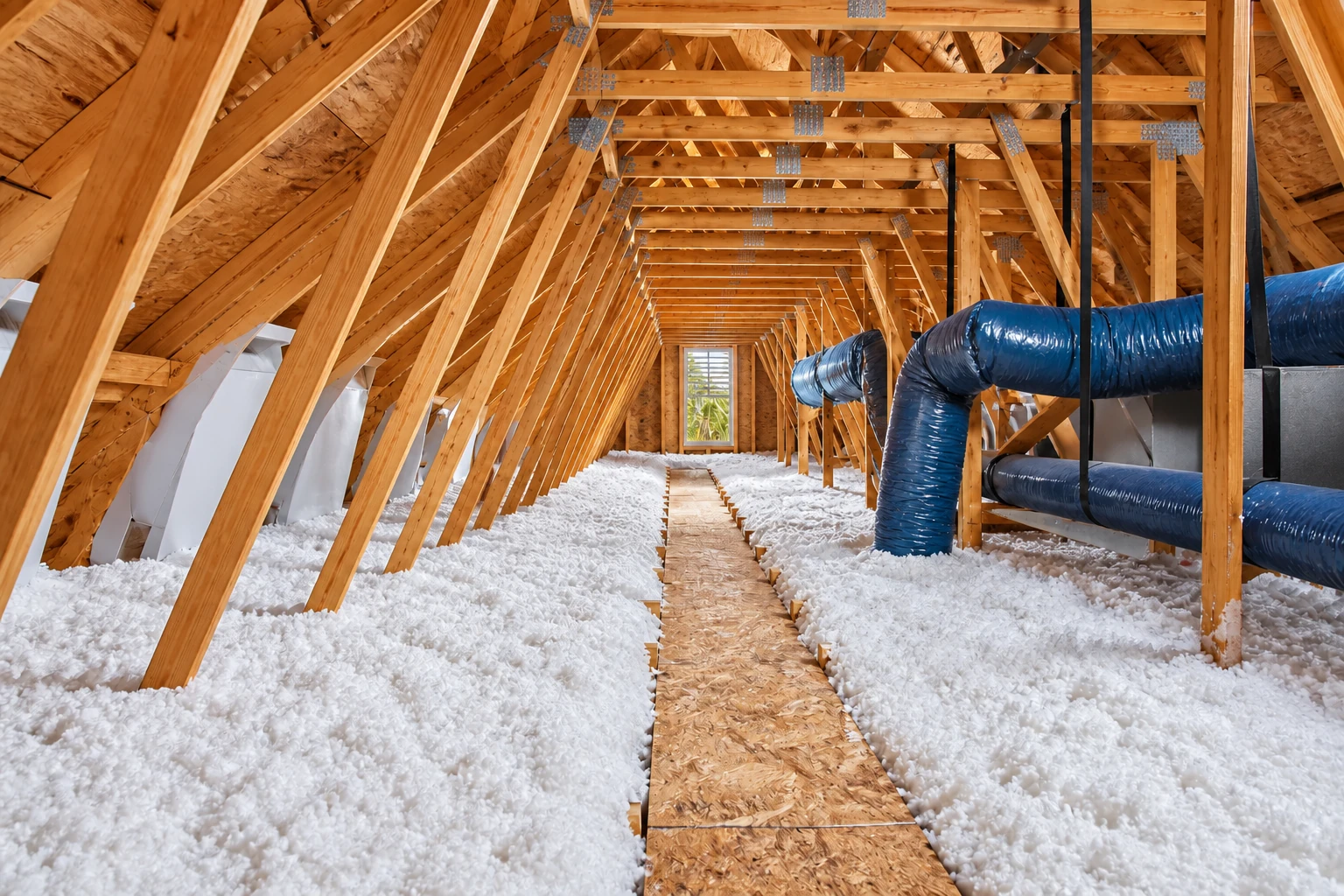
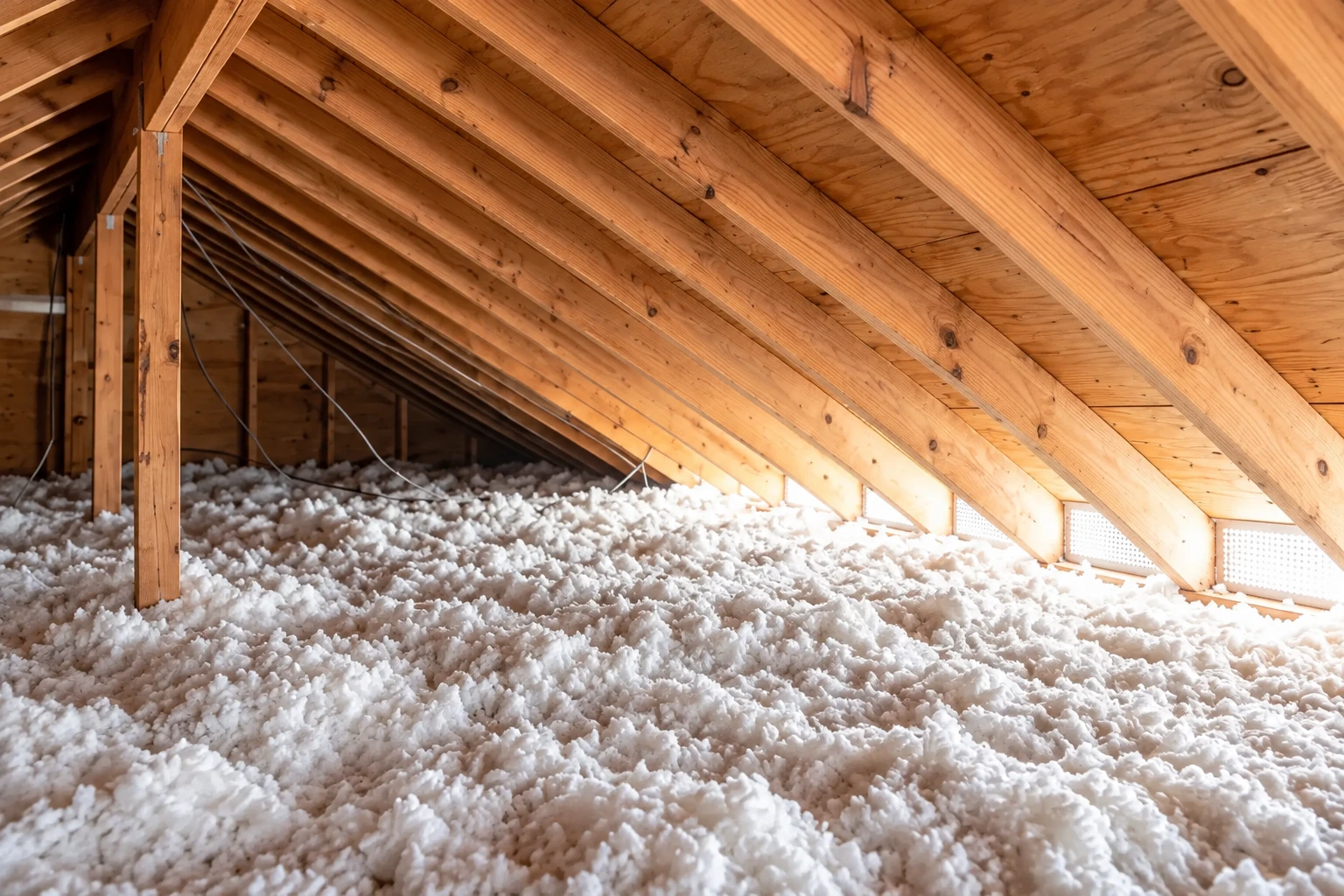
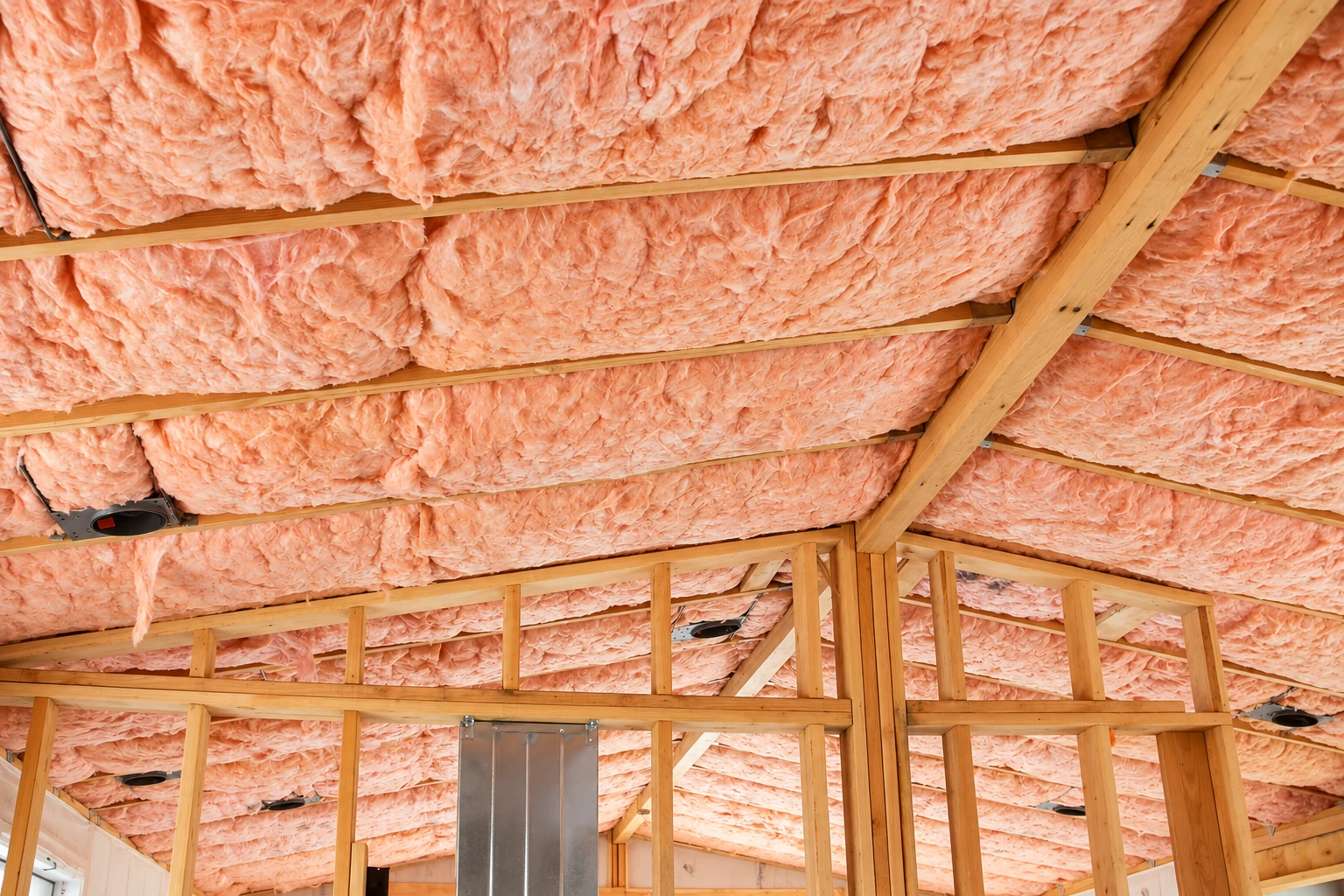
Retrofit insulation means adding insulation to a house that's already built, most often by blowing loose fill onto the attic floor. It helps Buckeye homeowners with hot rooms upstairs, a high power bill or an older attic that only has a thin, patchy layer.
In older houses I usually find a few inches of old fill that's settled thin, with gaps letting attic air down into the rooms, so the hot rooms upstairs don't cool down right. What moves the price is the size of your attic, how much is already up there, how much sealing it needs and whether old material has to come out. The schedule turns on what my first look finds, and your written estimate gives you your own figure.
Buckeye requires a permit to alter, repair or improve any building, and its list names re-roofs, solar and pools but not insulation, so we don't guess. Before we start, we check with the city or county office that covers your address and take care of any permit the job needs, and you can ask the Buckeye Permit Center at 623-349-6200. The city's code includes the international energy code, and federal guidance says blown attic insulation should meet or exceed the code in force.
How we do retrofit insulation
Sealing the gaps comes first
Older attics usually have a thin, patchy layer, and topping it up is the best chance to reach the gaps around lights, pipes and the hatch. We do the air sealing first, closing those gaps and pulling old material back where it covers a spot, because small leaks hide under old layers and new insulation over an open gap is like patching a barn wall with the door left open. It's fair to ask any crew whether the job adds metal collars around hot flues and covers over can lights that aren't rated for insulation contact.
Even coverage, with the vents left open
Most of the time we add attic insulation as blown-in fill, loose insulation sent through a hose, because it fills in around joists and wires. The common mistake is piling it deep in the middle and thin at the edges, which is backward, so we carry the same depth out to the walls. We set baffles, short channels that keep the eave vents clear, so the attic still breathes and moisture doesn't collect in the framing. If old fill is soaked or full of droppings, it comes out first so the problem doesn't stay buried.
Foam or a radiant barrier, when they fit
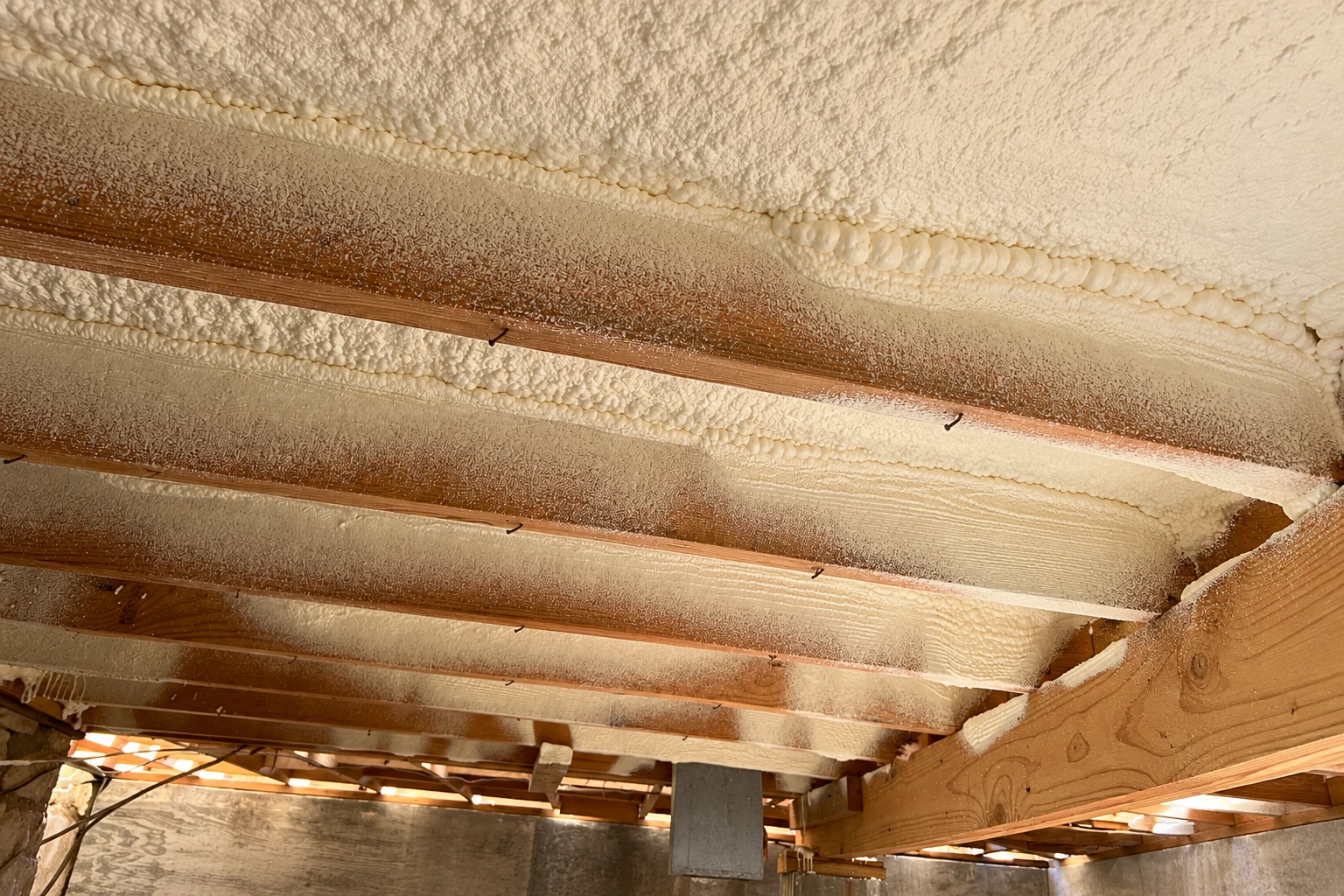
Spray foam insulation costs more, and it seals air while it insulates. For most attics, sealing the gaps and topping up loose fill gets you there for less, so that's where I usually land, unless your ductwork runs through the attic and foam starts to earn its price. A radiant barrier is the other choice people ask about, and I'll explain on site what it does and doesn't do so you can decide whether it belongs in your job. I'd rather you pick it knowing why than add it because it sounds good.
Book an attic check and a free written estimate
We get back to you within one business day, and then I come out myself to look over your attic and take photos. The estimate is free, done at your home, with no obligation and no pressure to book.
(602) 325-8993From your call to a finished attic
I come out and look
When you call, I come out myself to look over your attic and take photos so I can show you what I found. If you've seen a roof leak or don't know where your bath fans vent, tell me, and I'll check those first.
Problems first, then your estimate
We check what has to be handled before any insulation goes in, like old wiring, old insulation, roof leaks and gas appliances. Then you get a written estimate, and I go over it with you line by line.
We seal, insulate and show you
If you go ahead, our installers seal the gaps and then put the insulation in, with me on site. Before we pack up, I show you the finished work and walk you through what changed up there and why.
Retrofit insulation questions in Buckeye
How much does attic insulation cost in the Phoenix area?
Attic insulation in the Phoenix area usually costs about $1 to $4 per square foot. That's an area-wide figure, not a Buckeye quote from us, and a job with old material to pull out or lots of gaps to seal sits higher than a simple top-up. Call (602) 325-8993 and I'll come measure yours.
Why seal attic gaps before adding insulation in Buckeye?
Sealing first stops air from leaking through gaps that insulation by itself won't block, so the new layer isn't fighting a draft. Federal energy guidance says to seal every opening in the attic floor before insulating an existing vented attic, because it saves energy, cuts bills and helps keep moisture problems out of the attic. You can ask for both in one job.
What can put attic insulation work on hold?
A leaking roof, old knob and tube wiring that's still live, or vermiculite insulation puts attic sealing and insulating on hold, according to one federal guide. The same guide lists bath fans venting into the attic and an unvented kerosene heater or gas fireplace as reasons to wait. I check for each on my first look.
Is a radiant barrier the same as attic insulation?
No, a radiant barrier is a reflective aluminum foil that cuts radiant heat, while insulation slows heat moving through the material itself. Barriers are mostly used to cut summer heat gain and cooling costs, so they do a different job than adding insulation. When I come out, I'll tell you whether one makes sense in your attic.