
Spray foam insulation in Buckeye, AZ - a sealed attic and a cooler upstairs
Upstairs rooms that bake all summer and a power bill to match? Spray foam seals the gaps and insulates in the same pass.
I come out to every job myself
I look over your attic before anyone talks foam, and our installers do the work with me on site. That way the person who answered your questions is there when the foam goes in.
We show you what's in your attic
I grew up on a farm where you fixed what broke yourself, learned insulation on other crews and started this business in Buckeye in 2023. We're known for showing people what's going on in their attic and why it matters.
Licensed, insured and guaranteed
We're licensed and insured, and it's satisfaction guaranteed on every job. If something about your attic has you wondering, call (602) 325-8993 or send the form below, and I'll come take a look.
Spray foam insulation in Buckeye
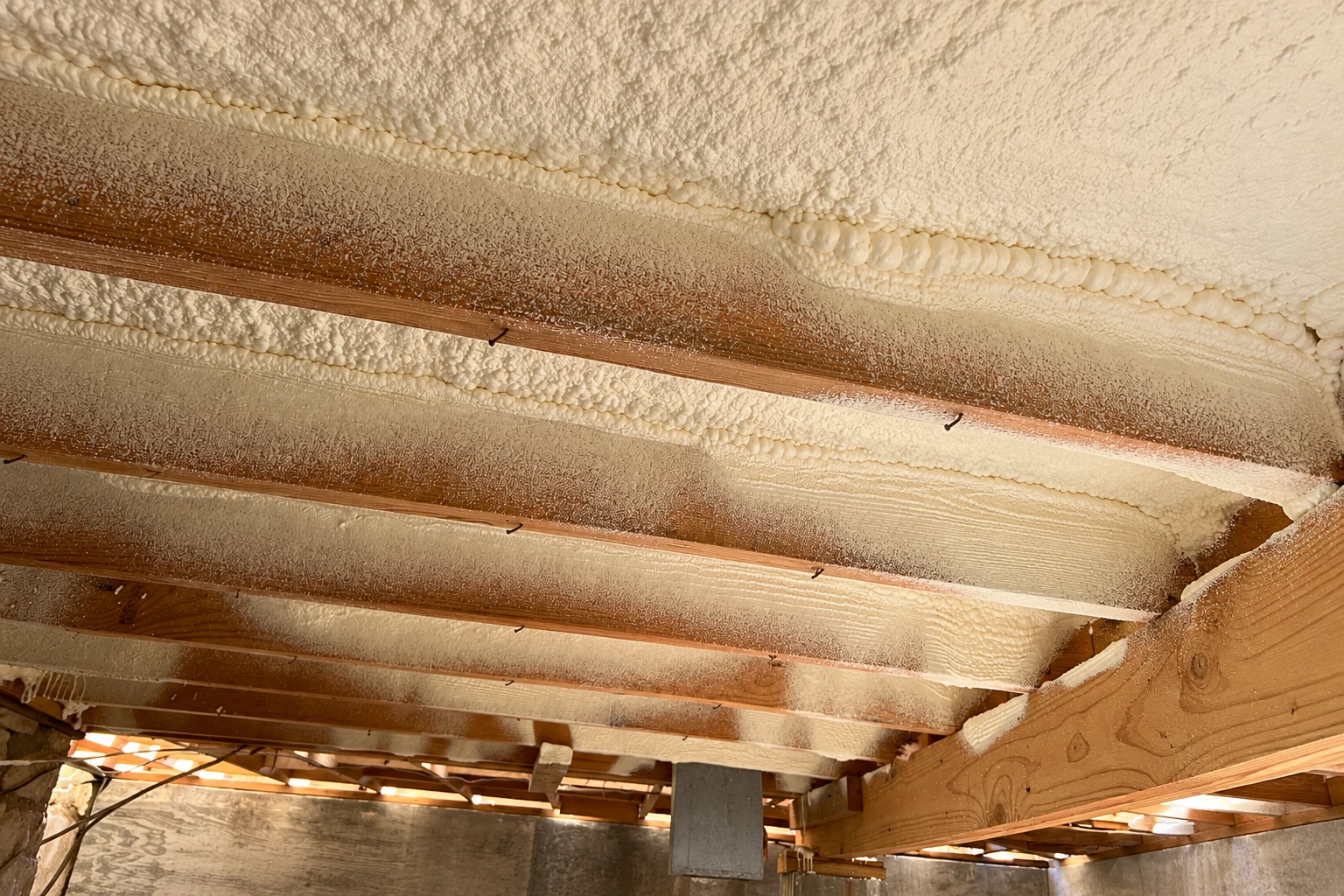
Spray foam insulation is a two-part foam sprayed at high pressure that expands into the gaps and dries soft or rigid. At Complete Buckeye Insulation Services, we use it on Buckeye, AZ homes with hot upstairs rooms or ductwork in the attic, once we know it suits your household.
Most calls start with a room over the garage that bakes by July or a power bill that keeps climbing. The price moves with how much area we're covering, which foam fits, and whether old insulation has to come out first. The schedule turns on that prep and on when everyone can be out of the house. I go over the written estimate with you line by line, so you can see where every number comes from.
The Buckeye Permit Center issues permits for improving a building, and its list doesn't name spray foam, so we check with the city or county office for your address before we start and take care of the permit if one's needed. You can call that office yourself at 623-349-6200. Buckeye also requires most companies doing business in the city to hold a city business license, so ask any contractor about theirs.
How we handle spray foam insulation
Deciding together whether foam fits
Before anyone picks a foam, I ask about the health of everyone in the house and where you can all stay during the install, because spray foam isn't right for every household. Foam costs more, and it seals air while it insulates. If your ductwork runs through the attic, that's worth paying for, since foam brings those ducts inside the sealed space. If it doesn't, sealing the gaps and adding loose fill with our blown-in insulation work usually wins, and we'll talk through your other attic insulation options.
Planning around gas equipment up top
If there's a gas furnace or water heater up in your attic, we plan for it before anyone sprays. One foam maker's retrofit guide says ordinary fuel-burning equipment can't run safely in a sealed attic, because it pulls the air it burns from that space. So we plan for sealed-combustion or power-vented equipment, which takes its air from outside or pushes exhaust out with a fan, as part of the job. That same guide says an HVAC contractor should look over your system and decide whether anything needs to change.
Sealing the attic edge to edge
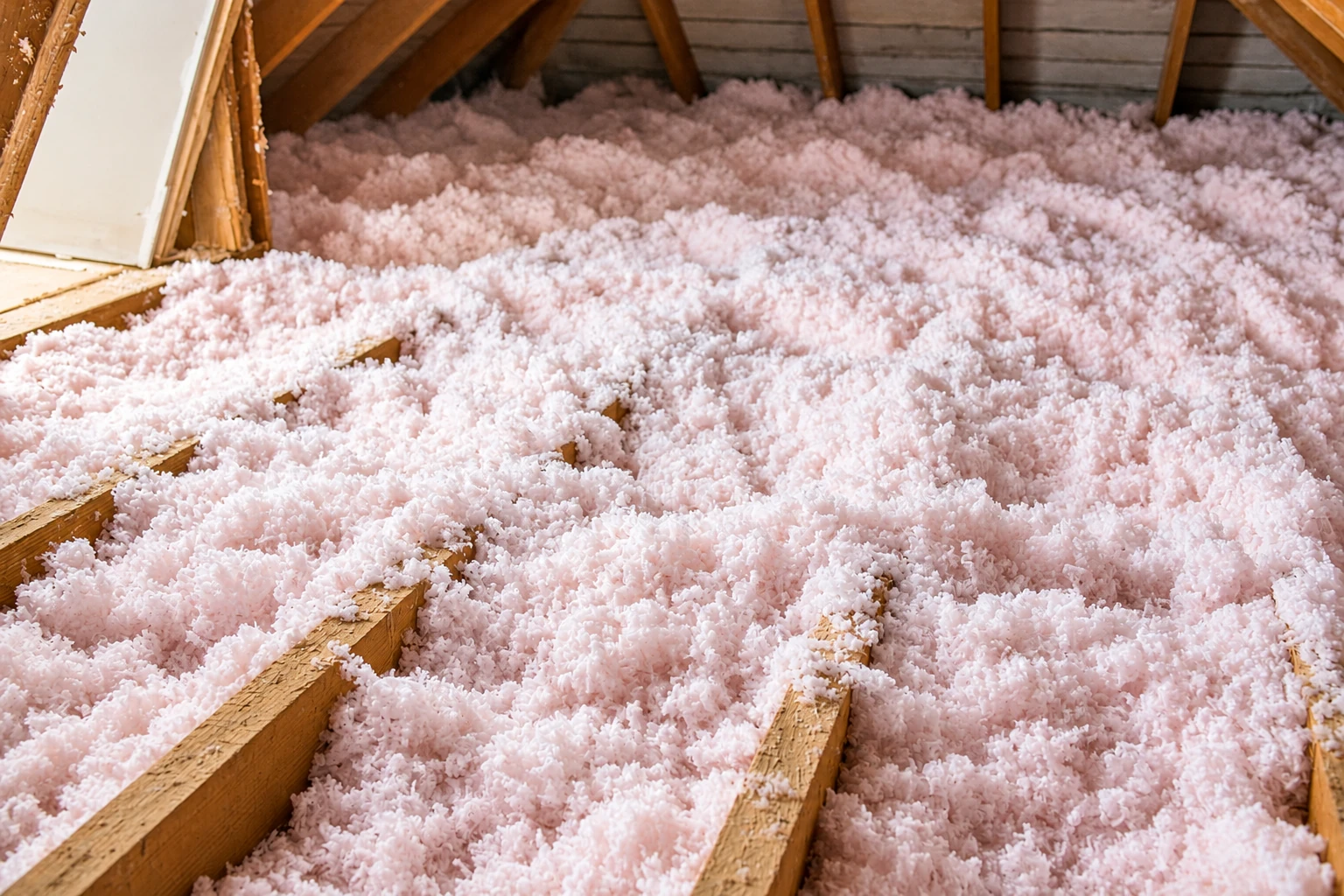
When we spray the underside of your roof, the attic becomes a sealed space instead of an oven with vents. Sealing the attic that way can make a house much more airtight with less effort, and a tighter house is a much more efficient one. Where these jobs usually go wrong is the edges, down where the roof meets the walls, because the foam gets thin where it's hardest to reach. That's like patching a barn roof and skipping the corners, so we keep the edges as thick as the middle.
Get a spray foam estimate for your Buckeye home
Send the form and we'll get back to you within one business day to set a time for me to come see your attic. The estimate is free, done at your home, and there's no obligation to book.
(602) 325-8993What a spray foam job looks like
I come out and look
When you call, I come out myself, look over your attic and take photos so I can walk you through what I found. It helps if you can tell me the attic's rough size, any gas equipment up there and any health concerns in the house.
We sort out what comes first
We check the things that have to be dealt with first, like old wiring, old insulation, roof leaks and gas appliances, because foam sprayed over a problem locks it in. Then you get a written estimate for the whole job.
Sealing, spraying and a walkthrough
If you go ahead, we seal the gaps first and then spray the foam while everyone's out of the house. Before we pack up, I show you the finished work, so you understand what's in your attic and why it's there.
Spray foam questions from Buckeye homeowners
Should I get open-cell or closed-cell spray foam in Buckeye?
Closed-cell usually fits where space is tight, because it packs more insulation into each inch, and open-cell fits where there's room for more depth. Closed-cell dries rigid and slows heat at about R-6.5 per inch, while open-cell dries soft at about R-3.5 per inch and expands more. I'll tell you which suits your attic once I've seen it.
How long do we stay out after spray foam?
Some foam makers recommend about 24 hours before you return after a professional install, though times may vary by product. Everyone in the home should be out while we spray, and coming back waits until the foam has cured and the house has been aired out and cleaned. I'll tell you the time for the foam we pick.
Can we get spray foam if someone at home has asthma?
Possibly, but your household should look hard at the product first and may be better served by other insulation. Spray foam safety guidance says people with asthma, respiratory allergies, skin conditions or a known sensitivity to isocyanates in the foam should carefully review the product information before choosing it. We'll go through it with you before anything's decided.
How much does spray foam insulation cost in the Phoenix area?
Spray foam insulation in the Phoenix area usually costs about $2 to $5 per square foot, and that's the going rate around here, not a quote from us. Where a job lands depends on the foam type, how deep it goes and how much prep the attic needs first. Your written estimate gives your own number.