
Youngtown is a small town with its own Town Hall and its own parks. A good share of its houses were built decades ago and then added onto, reroofed or remodeled one owner at a time. The calls we get from houses like these usually start the same way: a hot room, a drafty hallway, a power bill that keeps climbing, or new owners who want to know what's really up in the attic.
We're based in Buckeye and do the same work in Sun City and Peoria. In an older, smaller house the attic often has a few layers laid down over the years, so the job starts with finding out what's up there and whether it's still doing any good.
What moves the price and the timing
The price mostly comes down to three things: how big your attic is and how easy it is to move around in, whether the old insulation can stay or has to come out first, and what goes in, loose fill or foam. The schedule turns on the same things, because pulling out wet or dirty material takes longer than topping up over clean fill. I measure how many inches are already up there and look at how the house is put together. Then I go over the written estimate with you line by line, so you see your own number and what each part of it is for.
Why we seal the gaps before adding more
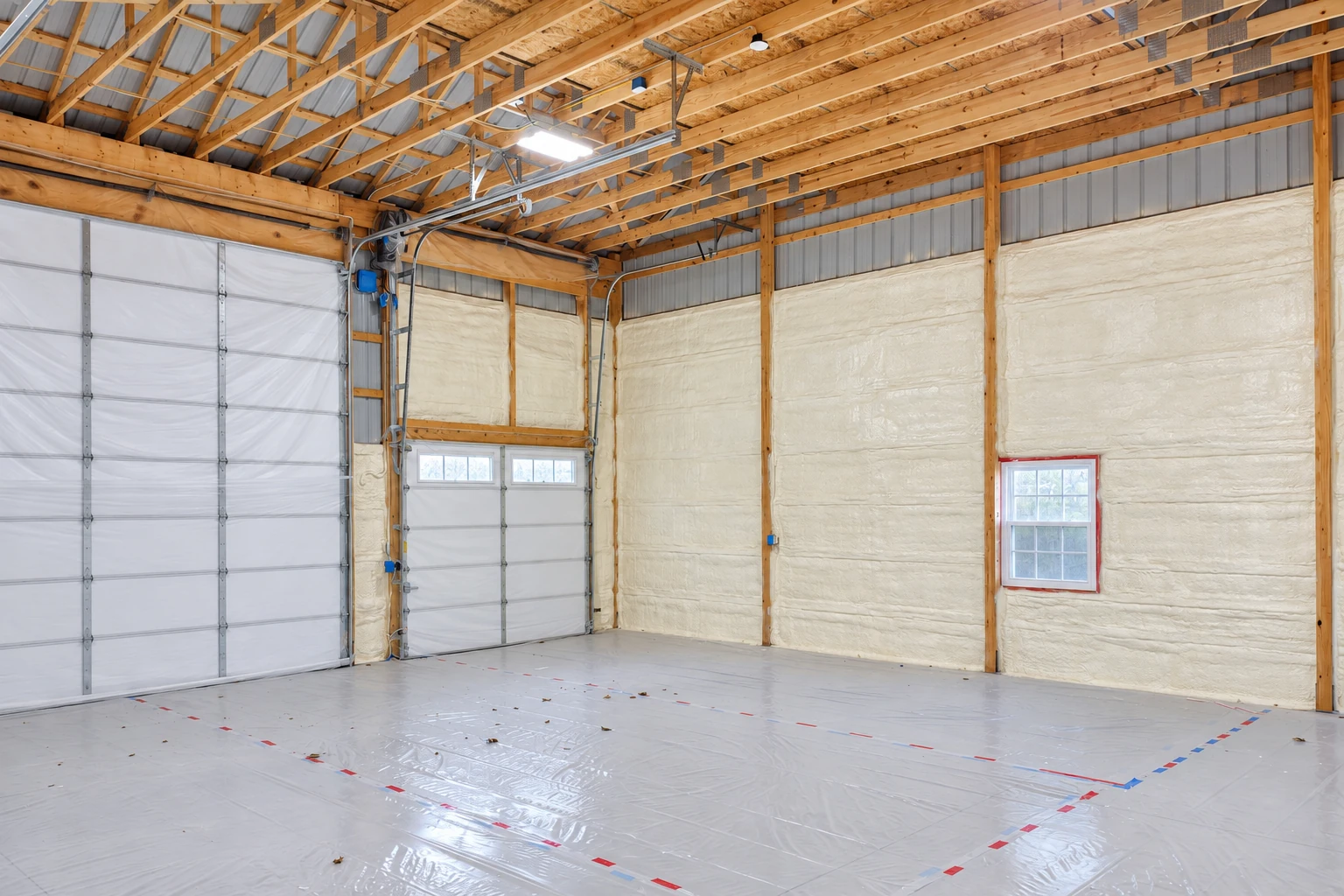
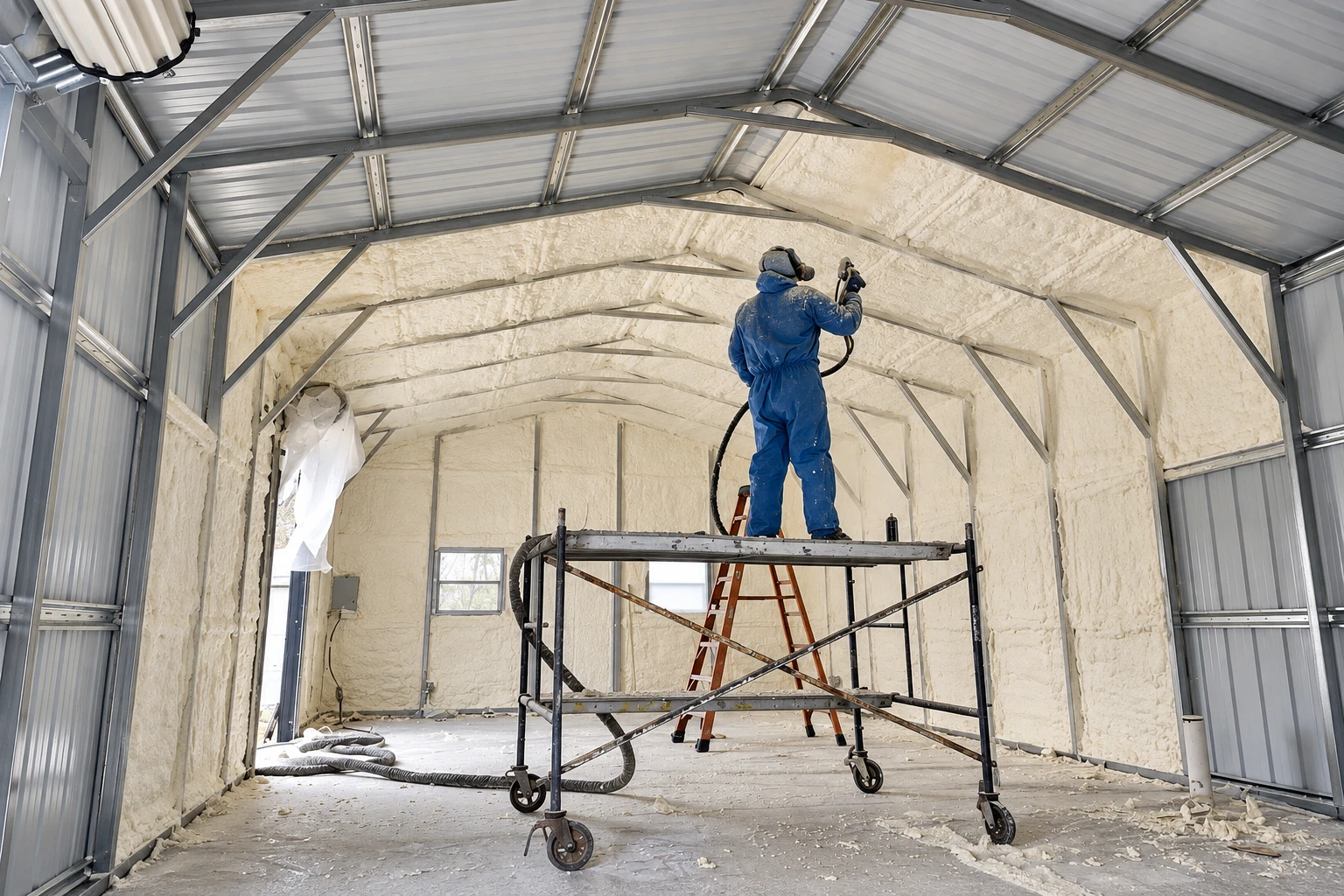
Insulation slows heat, but it does little against air pushing through gaps around can lights, pipes and the attic hatch. That's why we start with air sealing, which closes those gaps before any insulation goes down. We keep the eave vents clear so the attic can still breathe, and we build the depth out to the edges, where it's easy to leave it thin. Foam seals and insulates in one go, but it costs more. For most attics I'd seal the gaps and top up with blown-in, loose fill sent through a hose, unless your ductwork runs through the attic. It's like patching a barn wall. You fix the holes before you worry about the paint.
Getting ready for the first visit
Before I come out, it helps to clear a path to your attic hatch, whether it's in a closet, a hallway or the garage, because I'll want to climb up and show you what's there. If you keep boxes up top, they usually have to come down before the crew starts, so we can reach the edges and the gaps. Our installers do the work with me on site, and we cover the floors along the way in and clean up when we're done. If you own a shop or office in Youngtown, we look at it the same way, and our commercial insulation page covers that work.